In late January 2024, Discovery Place Nature held "Community Farewell Days," two weeks of free admission ending January 31, the last day the museum building on Sterling Road was open. The building had stood in Freedom Park since 1951. Shortly after it closed, the County's schedule put the opening of its replacement in fall 2025.
Almost three years later, the replacement is close to ready, it has a new name, and as of last week it has an opening season. On November 17, the Mecklenburg Board of County Commissioners approved an agreement for Discovery Place to open and run what is now called the Mecklenburg County Piedmont Museum of Nature, Julie and Howard Levine Campus. The main building is scheduled to open in spring 2027.
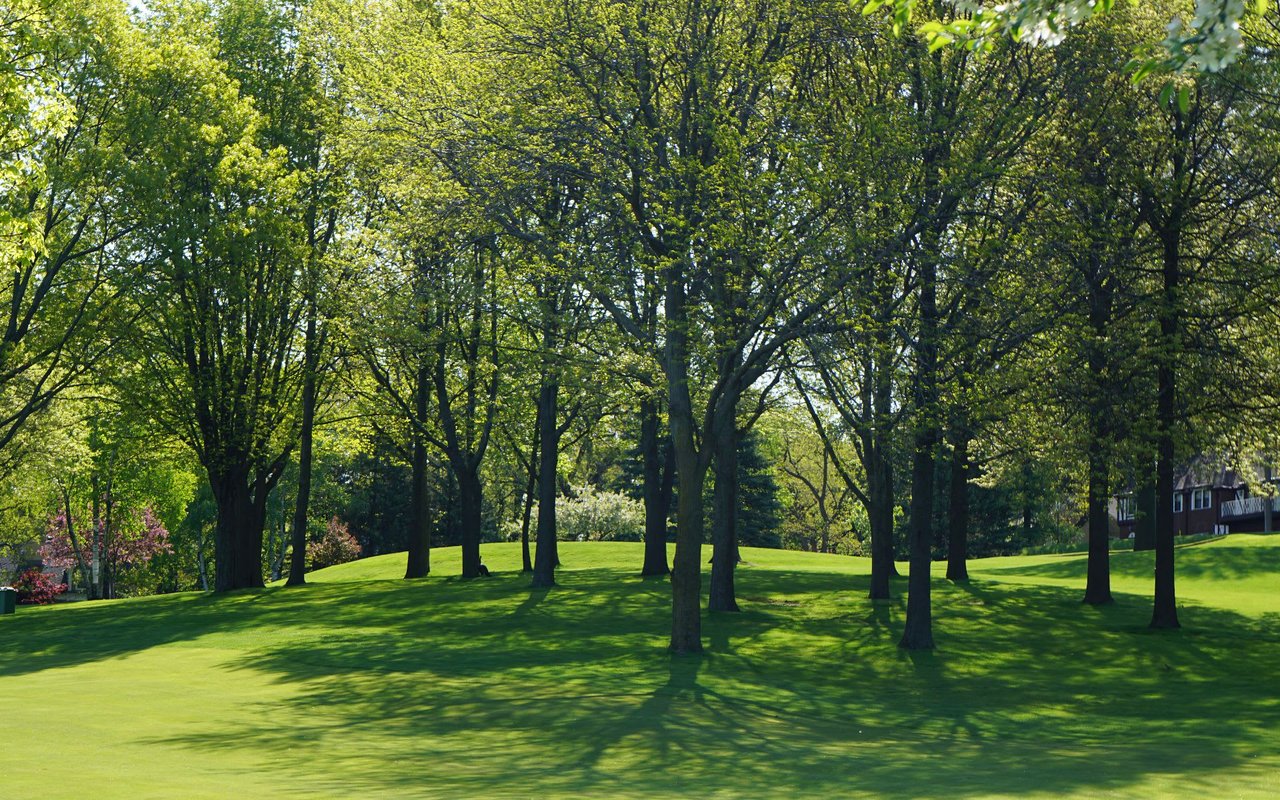
For anyone who walks Freedom Park, the opening date matters less than what the building was designed to do. Much of the new campus is planned as free park space, and the park's other big project this year, the pond, was nearly finished by mid-September.
How the opening date moved
The museum's opening has moved from fall 2025 to 2026 to spring 2027, and the new building sat unused through most of this fall while a repayment to the County was settled.
- June 2017. The County commits $16 million to the project.
- April 2022. The final design is shown to the public.
- December 2023 and January 2024. The County approves another $10 million for rising costs, then a separate advance of about $14.6 million, to be repaid within 180 days after the building is substantially complete.
- May 2024. Groundbreaking and a ceremonial tree planting. By December 2024, Discovery Place was projecting an opening in 2026.
- April 2026. The County considers the building substantially complete, which made the repayment due October 27.
- October 7, 2026. WSOC reports that the museum is essentially ready to open but unused while the repayment remains unresolved.
- November 17, 2026. Commissioners approve the settlement.
The Charlotte Observer reported that the vote was 6-2. The deal included a payment plan and a 35-year lease, and board Chair Mark Jerrell said "This plane has landed" after the votes were recorded. According to the County's release, the amount owed was reduced to $13.7 million after project savings and credits. Discovery Place will repay it over five years and will also pay to finish the building. The money comes from Julie and Howard Levine, The Leon Levine Foundation, Bank of America, the C. D. Spangler Foundation, the Philip L. Van Every Foundation, Discovery Place's Board of Trustees and an anonymous donor.
The opening will come in two phases. The main building opens first, in spring 2027. The Canopy Walk and a woodland nature trail follow, with a grand opening for the whole campus later in 2027. Discovery Place says it will share programming details in the coming months at PiedmontNature.org.
The parts of the campus that won't need a ticket
The paid museum will have a North American river otter habitat, an owl aviary, a hands-on naturalist lab and animals native to the Piedmont. Those will bring field trips and visitors from across the region. The County expects about 180,000 visitors in the first year. Through Discovery Place's Welcome Program, families enrolled in WIC or EBT in North or South Carolina can get in for $1.
People who live near the park will likely notice something else first. From early on, the design put public gardens and community spaces around the building that are open to every park visitor, not only ticket holders. The November release names three of those free pieces: a public green space, a frog bog and an apiary. The County says they will add to Freedom Park's ability to welcome more than a million guests a year.
The design team is led by Liollio Architecture of Charleston and Charlotte native Walter Hood, a landscape designer. Hood's recent work includes the grounds of the International African American Museum in Charleston. The landscape is his part of the project. The 1951 building sat in the park, and the new one is planned so the park continues through it.
The greenway stretch that's open again, for now
Park users got a preview of this in late June. The County's project page reported that Phase 1 site construction was substantially complete. The same weekend, crews took down the construction fence that had blocked the Little Sugar Creek Greenway between Princeton Avenue and the suspension bridge.
That reopening came with a caveat. The County called it "a non-permanent reopening" and said any future closure depends on Phase 2 site construction. Phase 2 is the Canopy Walk and woodland trail, now scheduled for later in 2027. If you walk, run or bike the greenway from the Princeton Avenue side this winter, you are using a stretch that may close again once that work starts. The County project page posts updates and has a sign-up for notices.
The pond, after most of a year of dredging
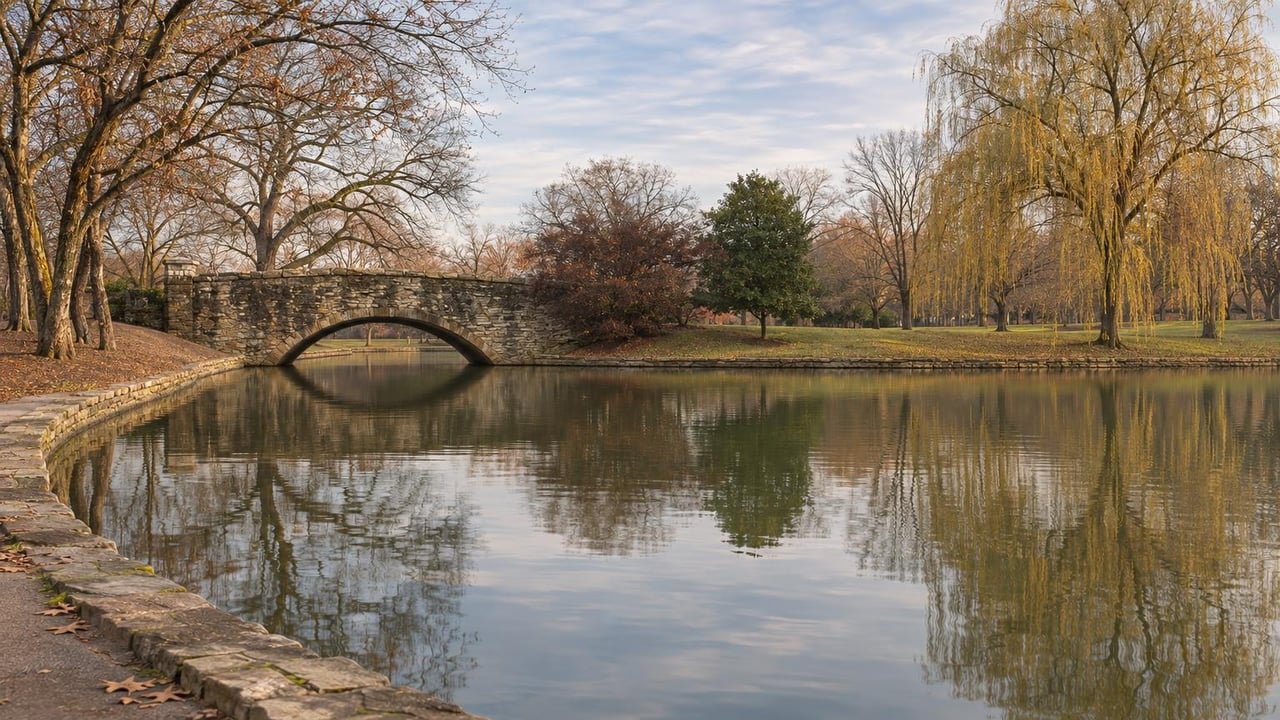
The pond at the center of the park is the other big change this year. A 2022 study of the ponds at Freedom Park and Park Road Park found too many nutrients and a lot of built-up sediment. That sediment feeds blue-green algae and makes a pond shallower and smaller. The County paid for dredging at both parks in its Fiscal Years 2024-2028 Capital Improvement Plan. Park Road Park went first, and that dredging was substantially complete in December 2025.
WSOC reported in January that the Freedom Park project had $2.5 million in funding. The contractor, Eagle Wood Incorporated, was to remove the sediment and repair any sidewalks, curbs or gutters damaged along the way, and the work was estimated to take up to six months. The County's project page says the dredge went into the pond and started work on February 27. The park stayed open, but some trails closed and the Whittington Field parking lot closed on weekday mornings.
By September 15, WSOC reported that the dredging was nearly complete and the fencing around the pond had come down. Bandshell Island was still closed while crews repaired its wall. That report also explained the unusually blue water. The County added an aquatic dye that limits how much sunlight reaches the bottom, which holds back underwater weeds and algae. Festival in the Park went ahead on September 25 through 27, as planned.
A winter loop that ends on East Boulevard
Both projects sit inside the same park. The museum site is on Sterling Road, along the Little Sugar Creek Greenway, and a cold-weather loop can pass the new building, cross the reopened stretch of greenway toward the suspension bridge and come back around the pond.
On East Boulevard, DŌZO is at 1419 East Blvd. The Japanese-American kitchen from the creators of Katsu Kart reopened there on January 29 after leaving its counter at City Kitch in Wesley Heights. Axios Charlotte reported that the new space serves lunch and dinner. Lunch is built around set meals: a protein, miso soup, salad and rice. Dinner focuses on shared plates and seasonal entrées, and crab fried rice and okonomiyaki are still on the menu. Our Dilworth, South End and Wilmore guide covers more of East Boulevard. For the other side of the park, see our Myers Park and Eastover guide and our recent piece on the Mint Museum on Randolph Road.
We'll keep following the museum's opening and the greenway closures as 2027 gets closer. If you'd like to talk about life near the park, or what these changes could mean for your own plans in 2027, The Laws Collective would be glad to hear from you. Start the conversation.