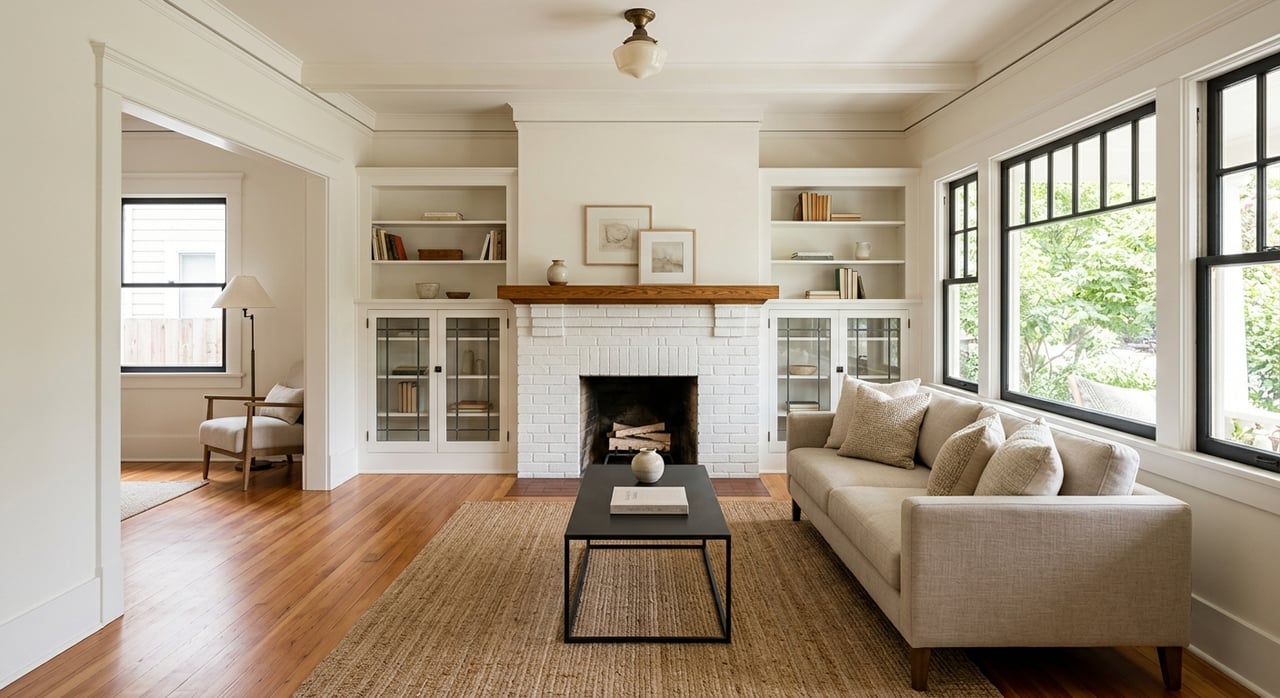
If you own a bungalow in Dilworth or Wilmore, you already know the challenge: buyers love charm, but they also want a home that feels cared for and move-in ready. When it is time to sell, it can be tempting to over-update or strip away original details in the name of “modernizing.” The good news is that you do not have to choose between appeal and authenticity. With the right prep strategy, you can protect what makes your home special and still present it beautifully for today’s market. Let’s dive in.
Why charm matters in Dilworth and Wilmore
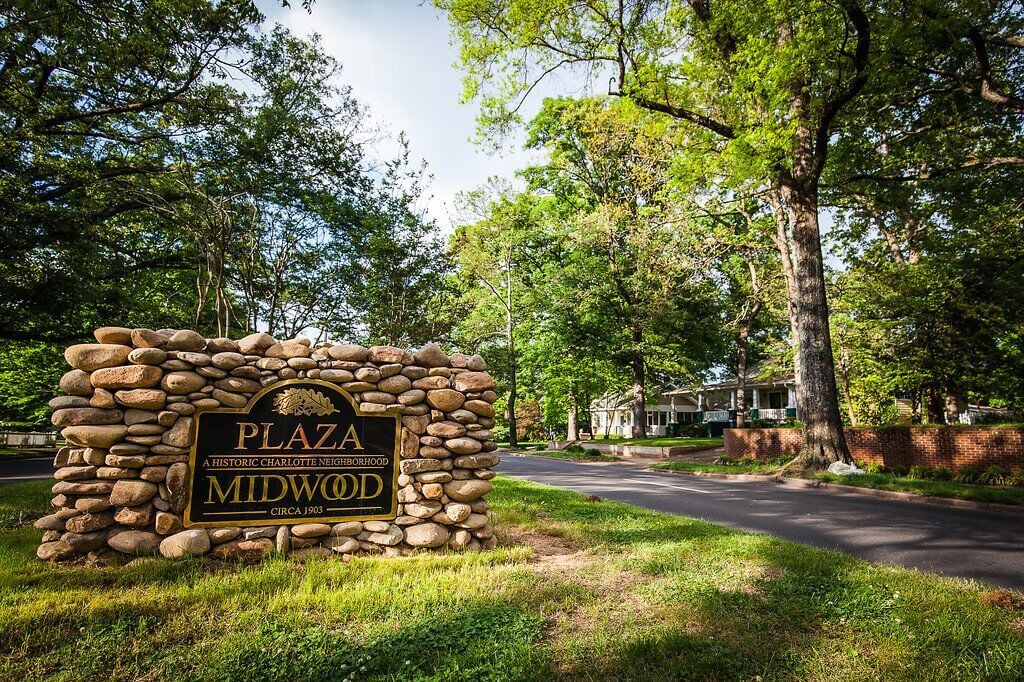
Dilworth and Wilmore are not just popular Charlotte neighborhoods. They are also local historic districts, with homes that often carry details buyers specifically want to find, from original windows and front porches to trim, fireplaces, and wood floors.
That means your bungalow’s value is often tied to the very features that make it feel distinct. A broad, generic renovation can flatten that character. In many cases, a more selective approach creates a stronger result for both showings and listing photos.
Start with historic district rules
Before you schedule exterior work, confirm whether the project needs Historic District Commission approval. In Charlotte’s local historic districts, exterior changes such as windows, doors, fences, and tree removal require approval, and a Certificate of Appropriateness must be in place before work begins.
Some routine maintenance may not require approval. The City of Charlotte notes that re-roofing with in-kind materials or planting flowers generally does not, but staff consultation is still recommended before starting exterior work. If your property also has a separate historic landmark designation, review may involve the Charlotte-Mecklenburg Historic Landmarks Commission for material alterations.
Repair first, replace second
For a Dilworth or Wilmore bungalow, the safest prep strategy is usually repair first. That approach helps preserve original character while avoiding unnecessary changes that may weaken the home’s architectural appeal.
National Park Service guidance supports a clear hierarchy: repair historic materials when possible, use in-kind replacement when needed, and reserve limited compatible substitution for areas where original material is beyond reasonable repair or in less important spaces. For sellers, that can be a very practical framework.
Focus on original windows
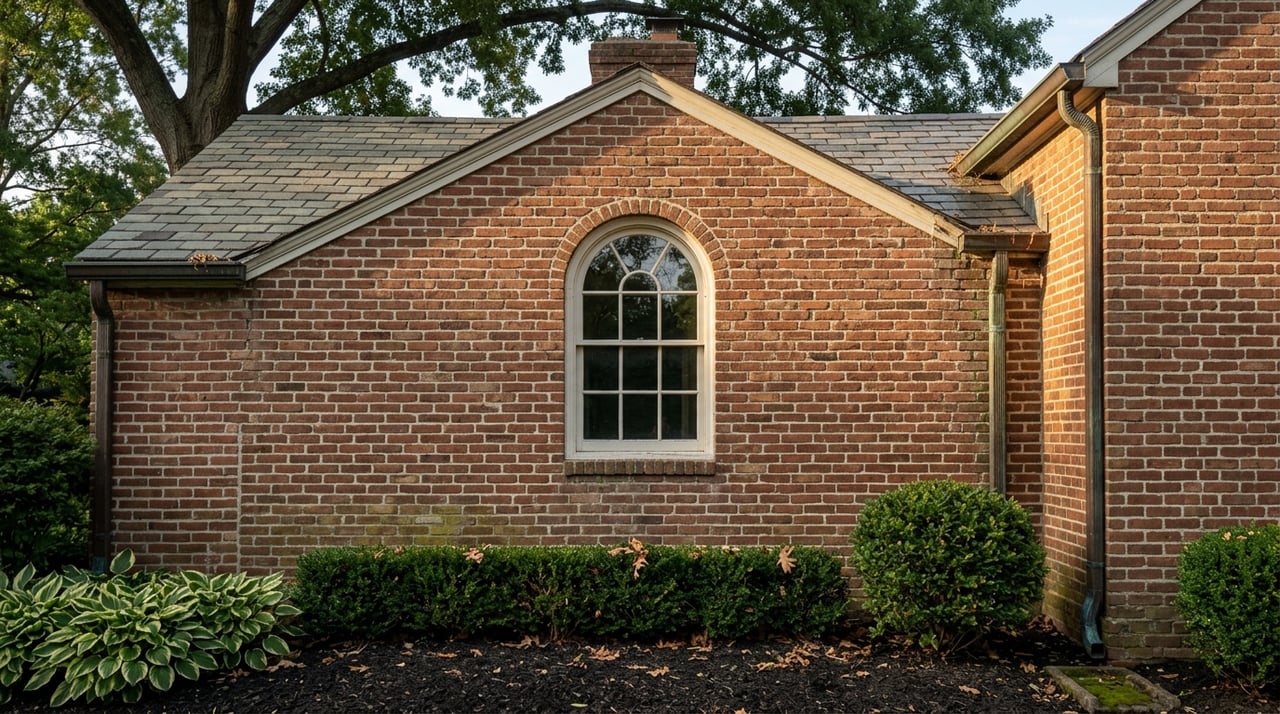
Original windows are a major part of a bungalow’s look. If they are drafty or worn, repair may be a better first step than replacement.
The National Park Service notes that storm windows and weatherstripping can improve performance without removing original units. If replacement is unavoidable on street-facing or highly visible elevations, the replacement should match the historic windows closely in material and details.
Protect the front porch
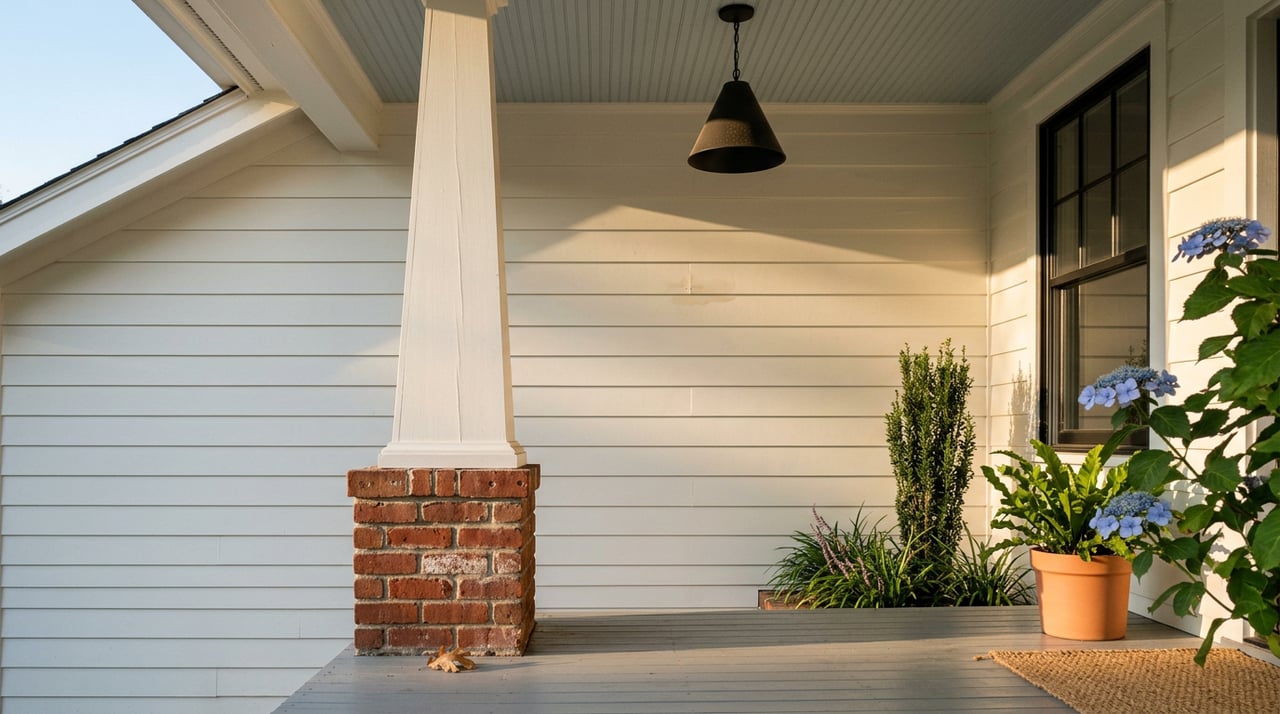
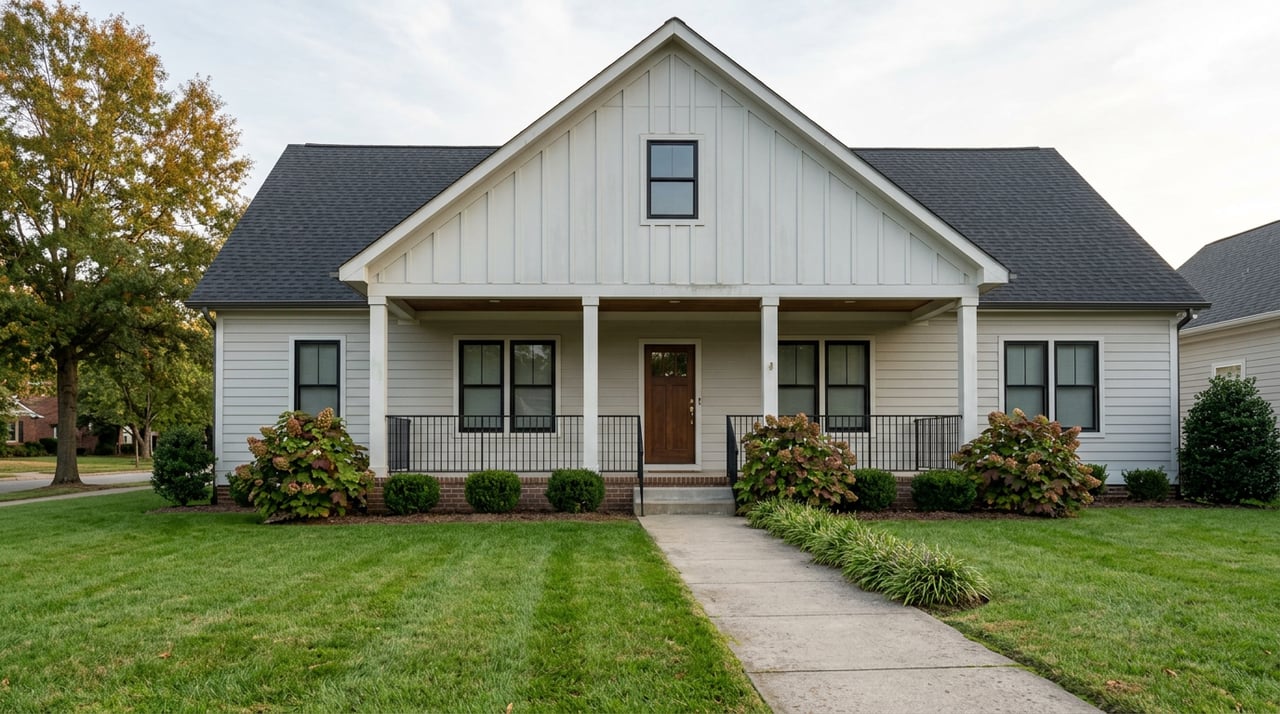
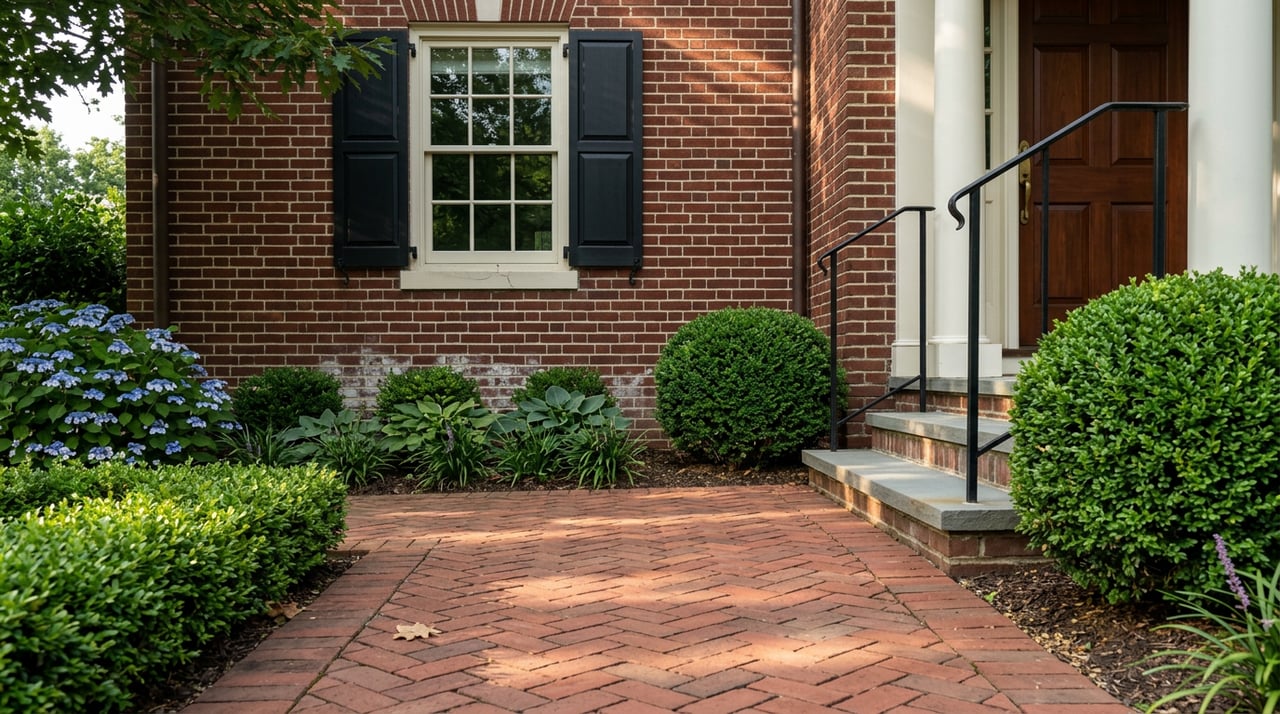
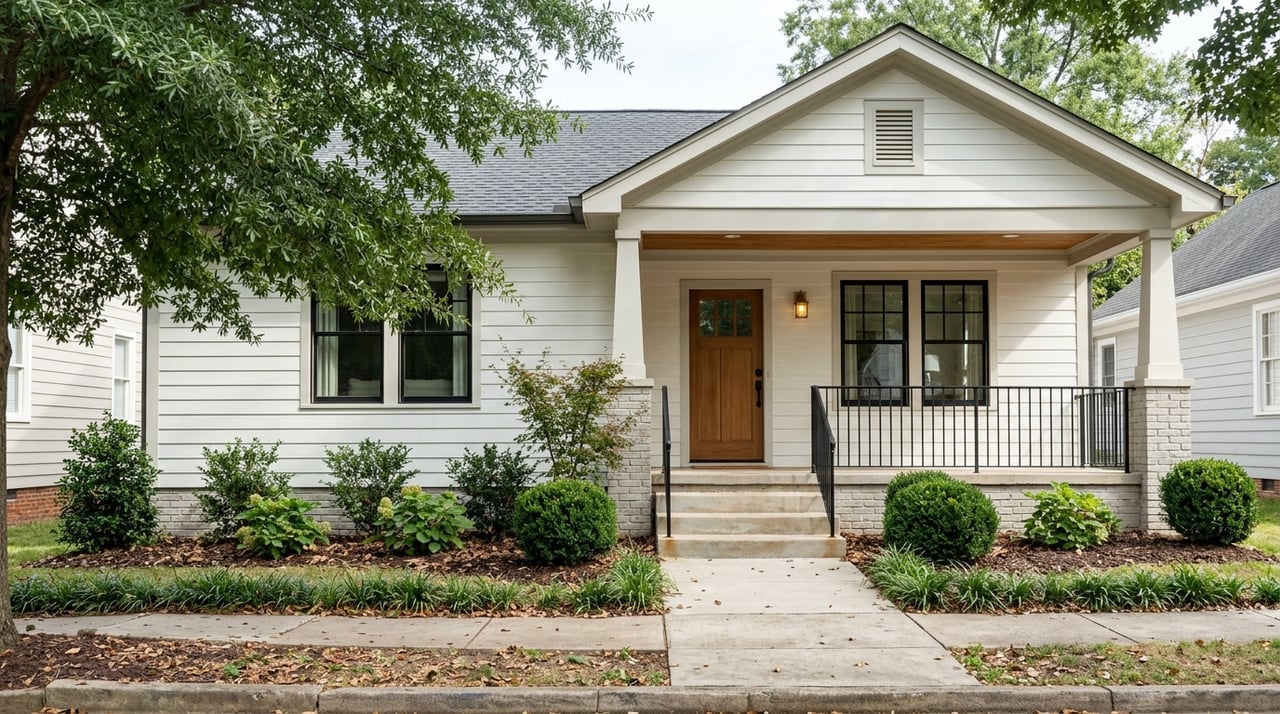
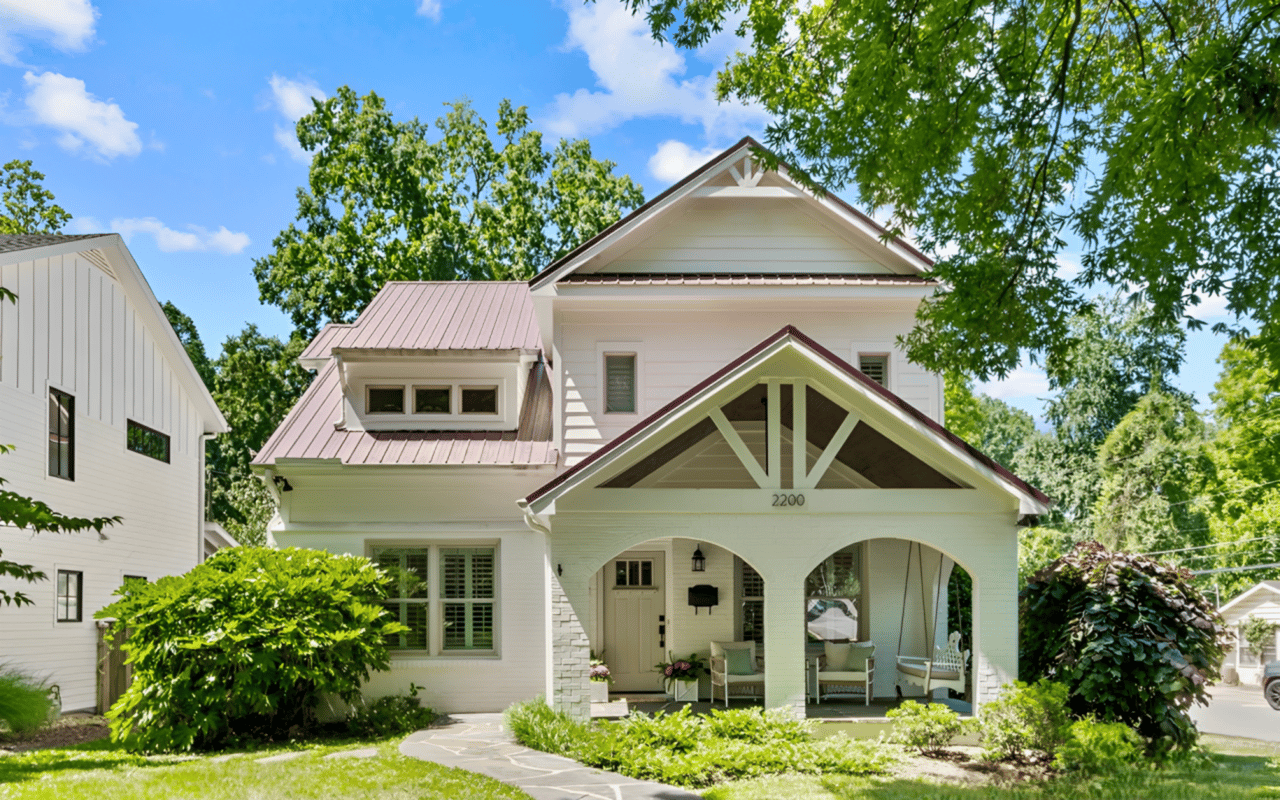
The front porch is often one of the first things buyers notice online and in person. In neighborhoods like Dilworth and Wilmore, it is also one of the features that helps define the house.
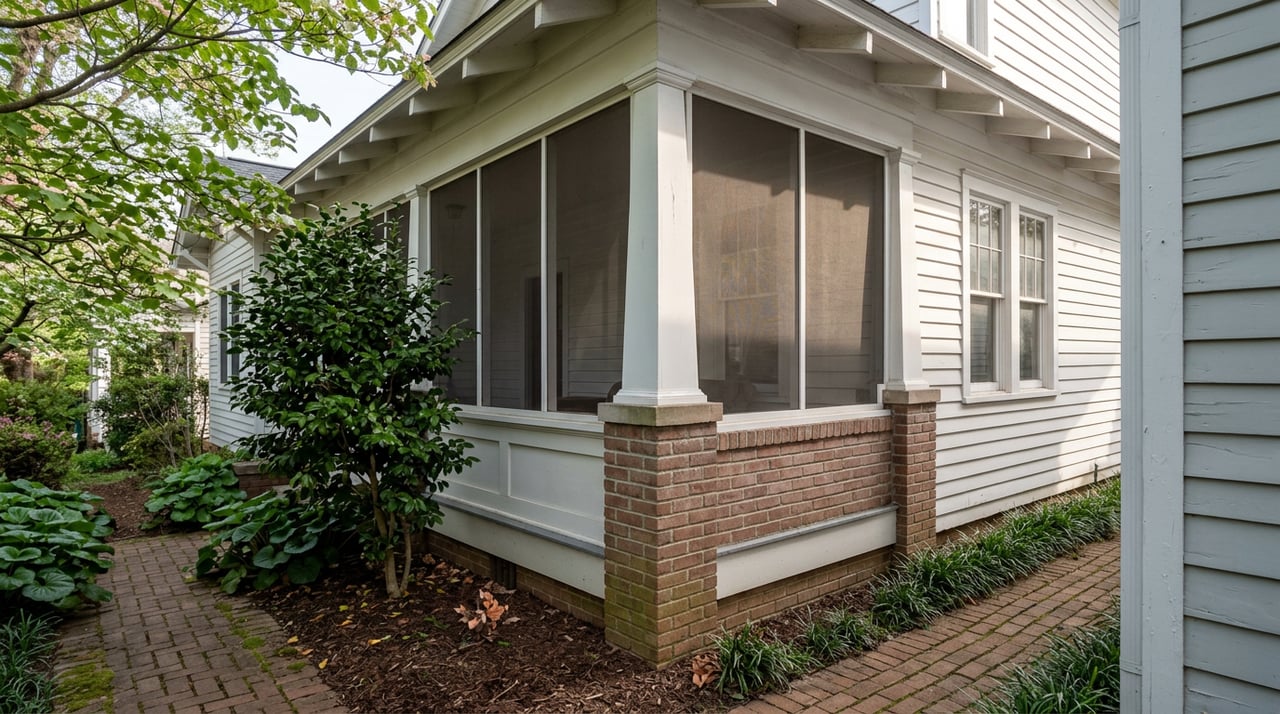
Porch elements such as balusters, columns, floorboards, aprons, and stairs should be repaired when possible. If parts need to be replaced, matching the original design, material, color, and texture as closely as possible helps keep the porch looking true to the home.
Be careful with exterior paint prep
A fresh paint job can absolutely help a bungalow show well, but the prep matters. Harsh paint removal methods can permanently damage historic woodwork.
The National Park Service recommends more conservative maintenance approaches such as light scraping and hand sanding. It also notes that homes built before 1950 may involve lead-based paint, which makes careful planning especially important.
Preserve the rooms buyers remember
Inside the home, not every room carries the same architectural weight. The National Park Service identifies features like the basic floor plan, entry halls or parlors, primary staircase, room heights in primary spaces, fireplaces, trim, doors, windows, and historic floors as character-defining elements that should be retained.
For sellers, that means the best return often comes from protecting the spaces buyers feel first. When someone walks through your front door, they are reading the home’s flow, proportions, and original details almost immediately.
Keep the floor plan legible
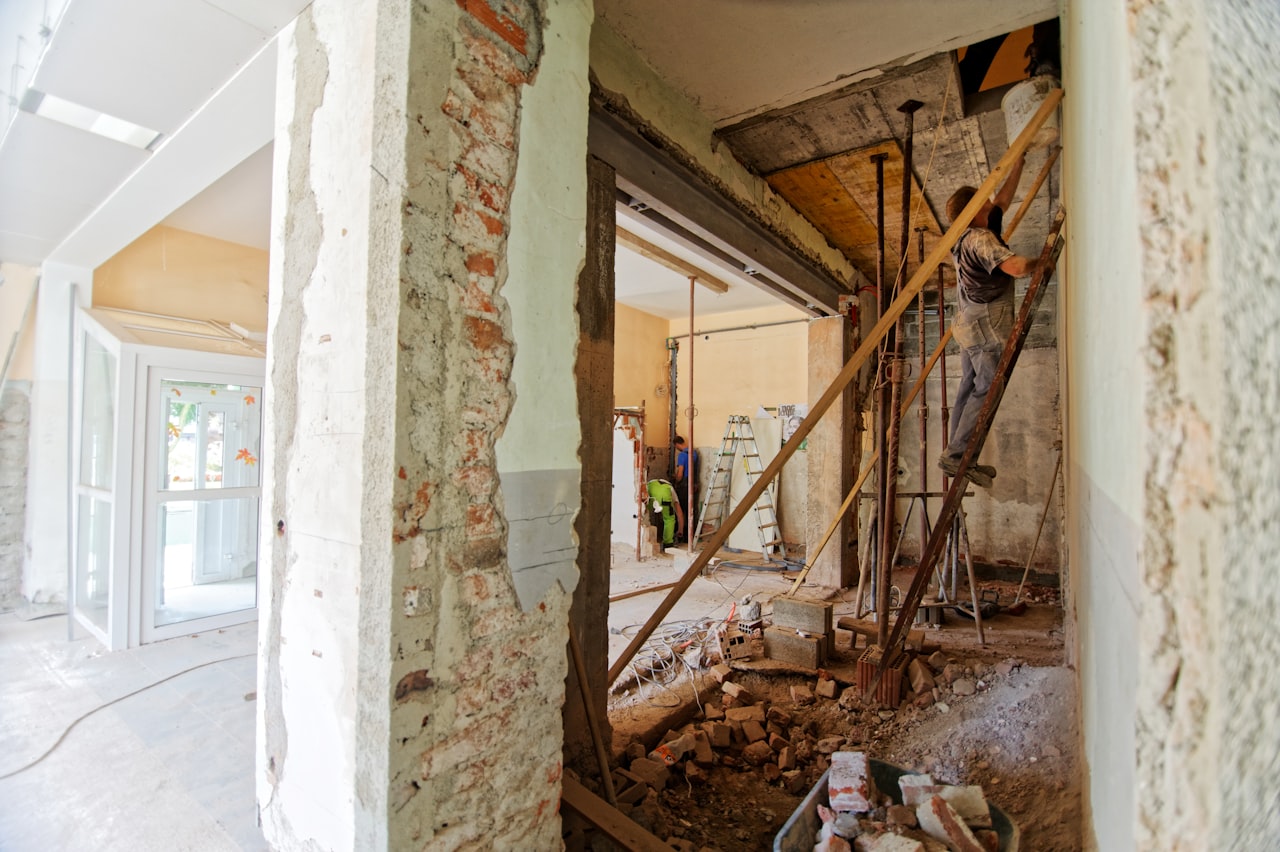
Many bungalows have a room-to-room sequence that gives them warmth and rhythm. Opening everything up or removing defining walls can weaken that feeling.
If you are preparing for sale, keep the main circulation path and front rooms easy to understand. Buyers should be able to appreciate how the home lives without losing the sense of its original layout.
Save the floors and trim
Historic wood flooring is often central to a bungalow’s character. If it can be retained and preserved, that is usually the strongest move.
If replacement is justified, the new flooring should be compatible with the home’s historic character and closely match the original in material and appearance in primary spaces. The same principle applies to trim and millwork. These are not background details. They are part of the home’s story.
Update kitchens and baths with restraint
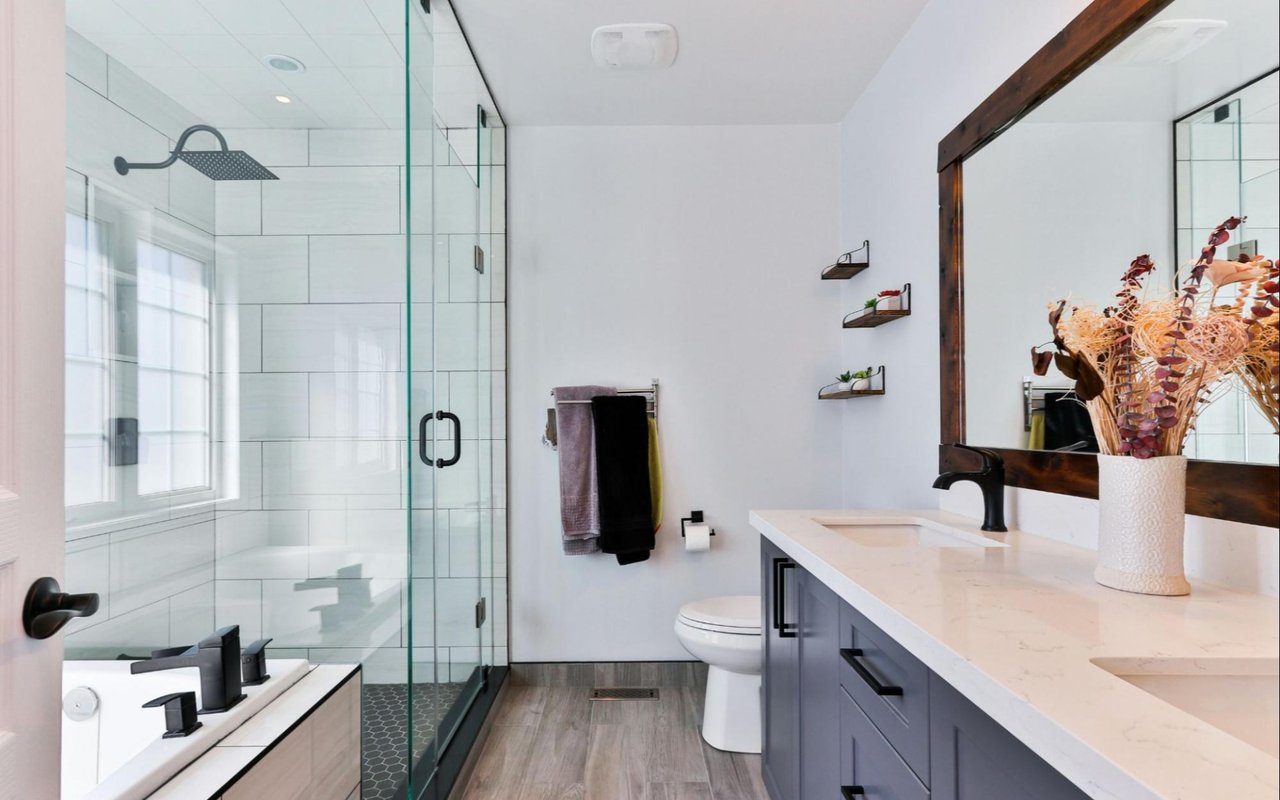
If you are deciding where to spend money before listing, kitchens and bathrooms are usually the most flexible zones. According to National Park Service guidance, these rooms are typically less important to historic character than the main living spaces.
That does not mean a full overhaul is always the answer. In many cases, modest functional updates are enough to make the home feel fresher without competing with its original architecture.
Smart pre-sale updates
Consider improvements that make the space feel clean, usable, and cohesive:
- Repair or refresh worn surfaces
- Improve lighting where needed
- Update fixtures if they feel dated or tired
- Repaint in a way that supports the home’s trim and millwork
- Reduce visual clutter and simplify storage areas
The goal is not to make a historic bungalow feel brand new. The goal is to help buyers see a home that has been cared for, functions well, and still feels like itself.
Use paint to support the architecture
Paint is not just about cleanliness. It can also help original details stand out.
The National Park Service describes paint as a tool that can define and accent architectural features. In practice, that usually means choosing colors that let trim, windows, millwork, and built-ins read clearly instead of disappear into the background.
For bungalows, subtlety often works best. A calm, cohesive palette tends to photograph better and keeps attention on the craftsmanship buyers came to see.
Stage around the home’s best features
Even beautifully preserved homes need thoughtful presentation. Recent NAR research found that 83% of buyers’ agents said staging made it easier for buyers to visualize the property as a future home. The same research reported that 49% of sellers’ agents saw reduced time on market, and 29% reported a 1% to 10% increase in offered value.
That matters in older homes, where buyers need help understanding scale, light, and flow. Good staging should not overpower the architecture. It should help frame it.
Prioritize the right rooms
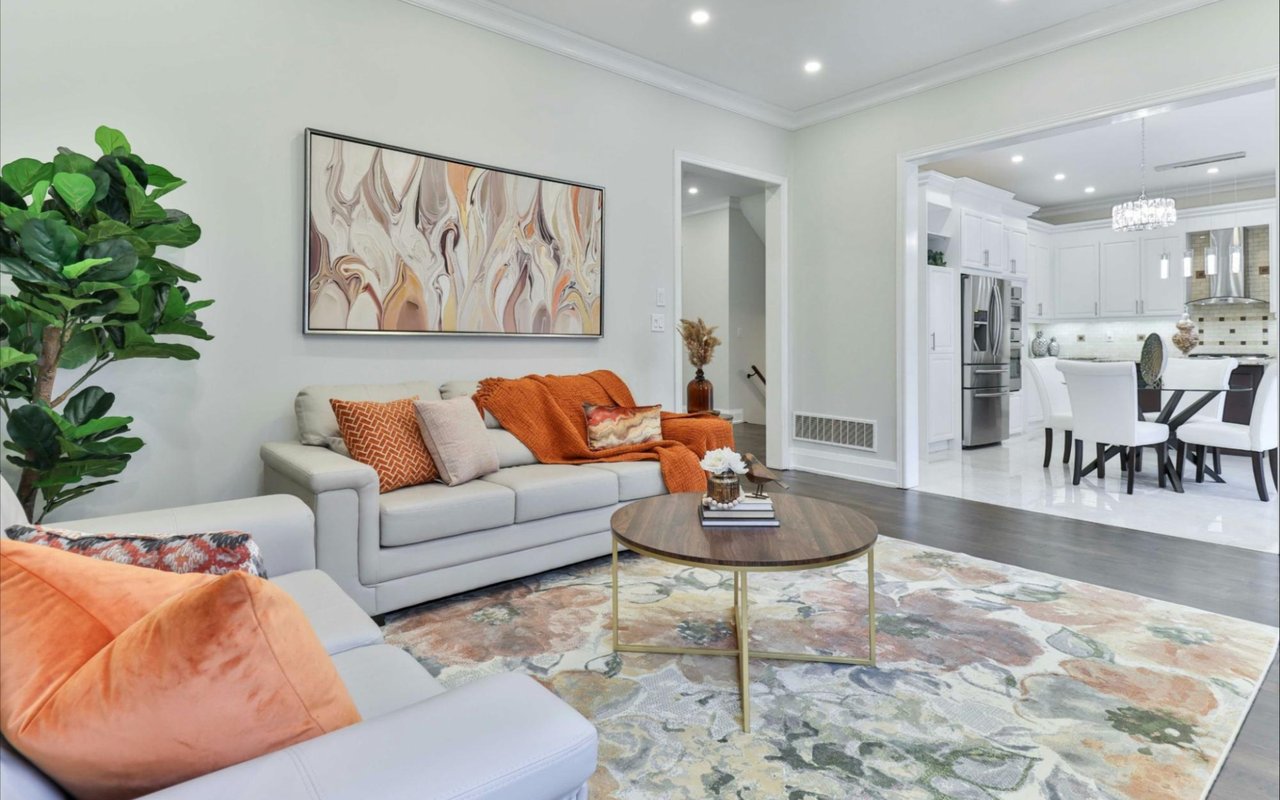
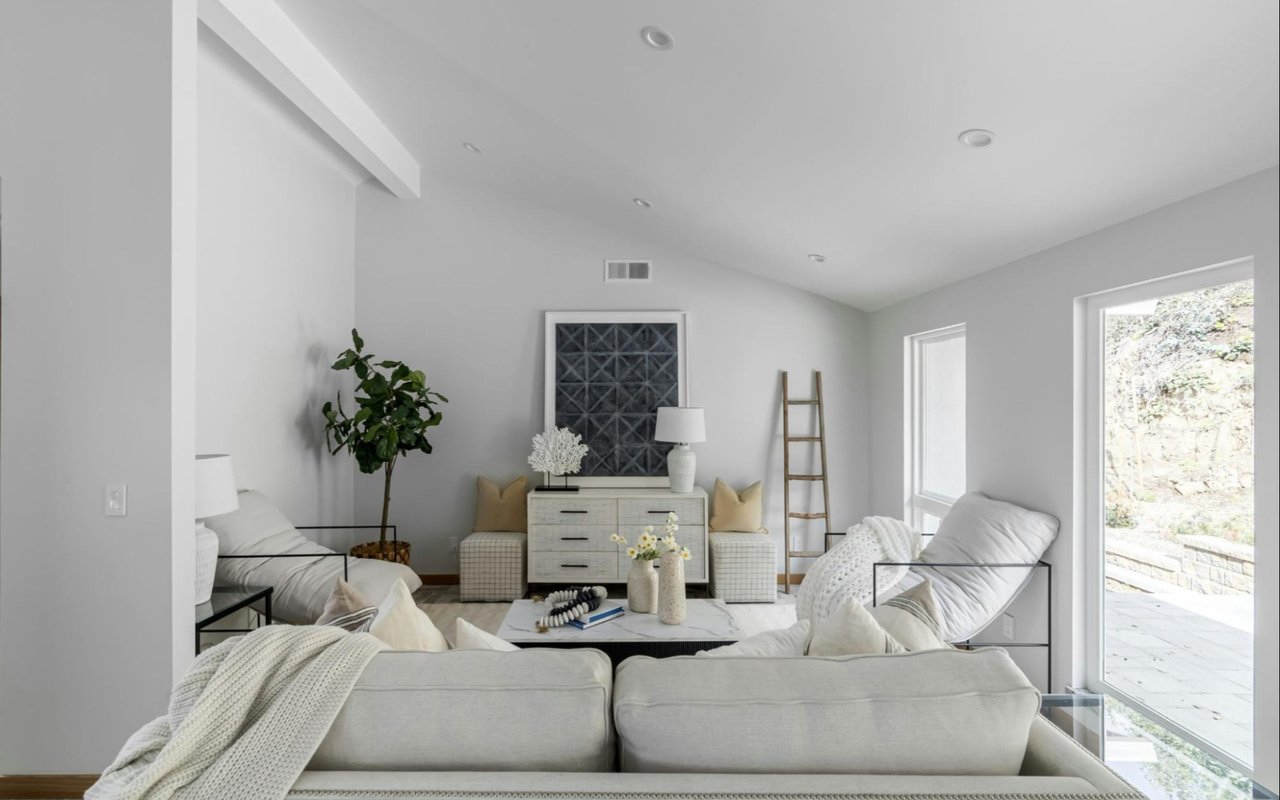
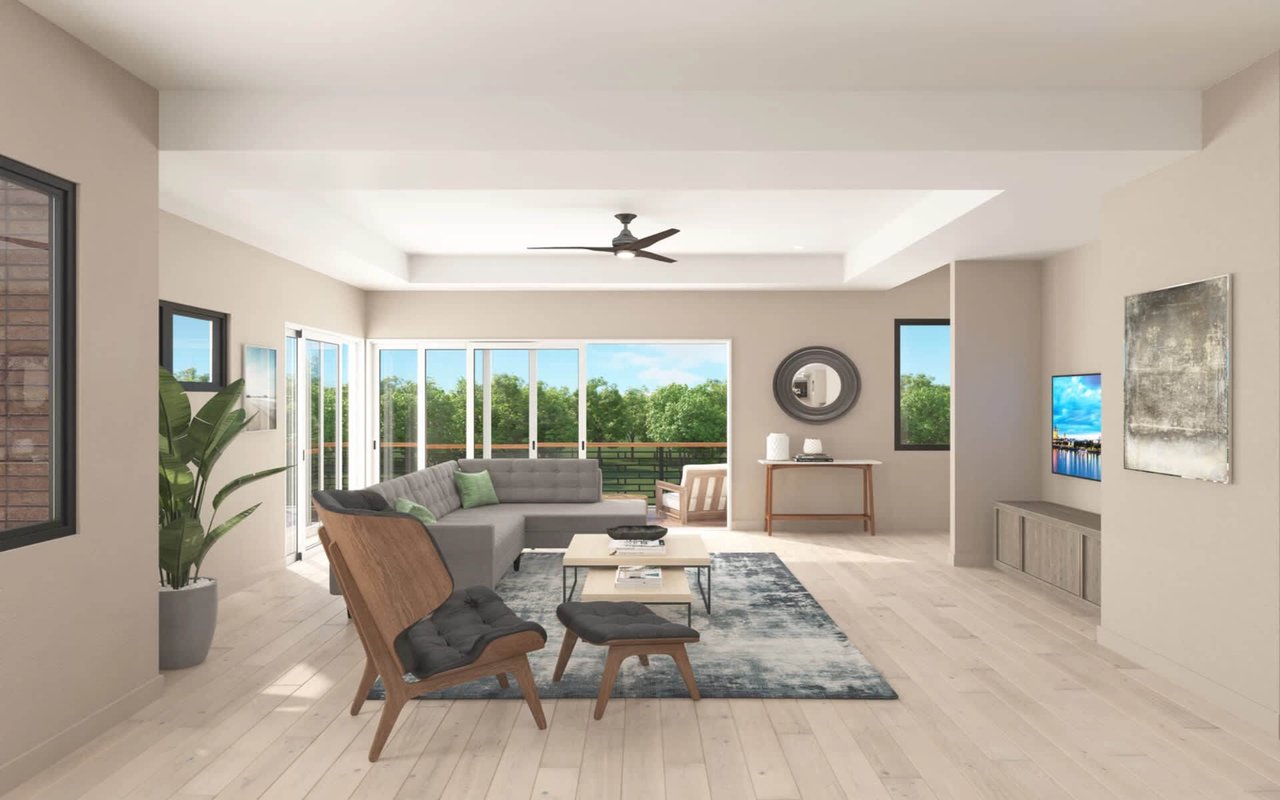
NAR research found that the most commonly staged rooms were the living room, primary bedroom, dining room, and kitchen. For a Dilworth or Wilmore bungalow, those spaces often carry the most emotional weight in photos and showings.
Keep furniture proportional and accessories simple. You want buyers to notice the fireplace, built-ins, floors, porch connection, and room sequence, not just the décor.
Make photography tell the story
Buyers usually meet your home online first. Listing media plays a major role in how quickly they connect with the property.
NAR’s staging research shows high importance placed on photos, traditional staging, videos, and virtual tours. For a bungalow, strong visuals should help buyers understand not only finishes, but also charm, natural light, and how rooms connect.
What to highlight in listing media
For these neighborhoods, listing photography should usually spotlight:
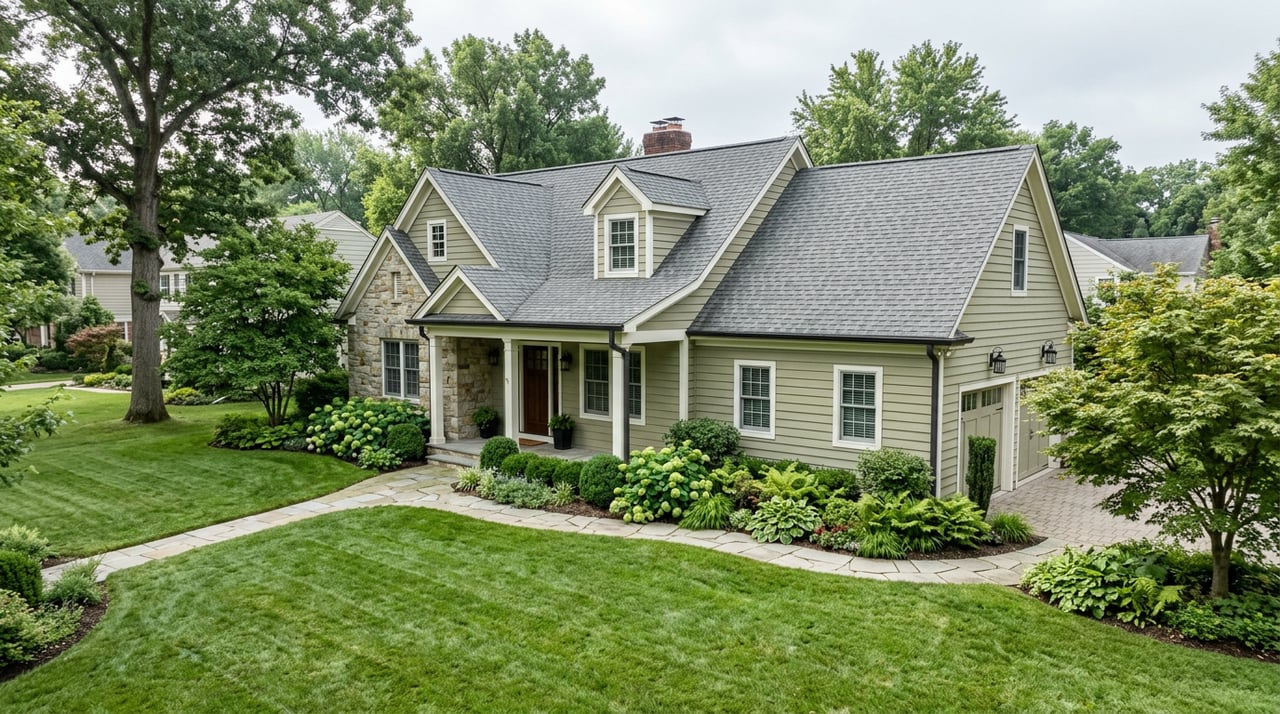
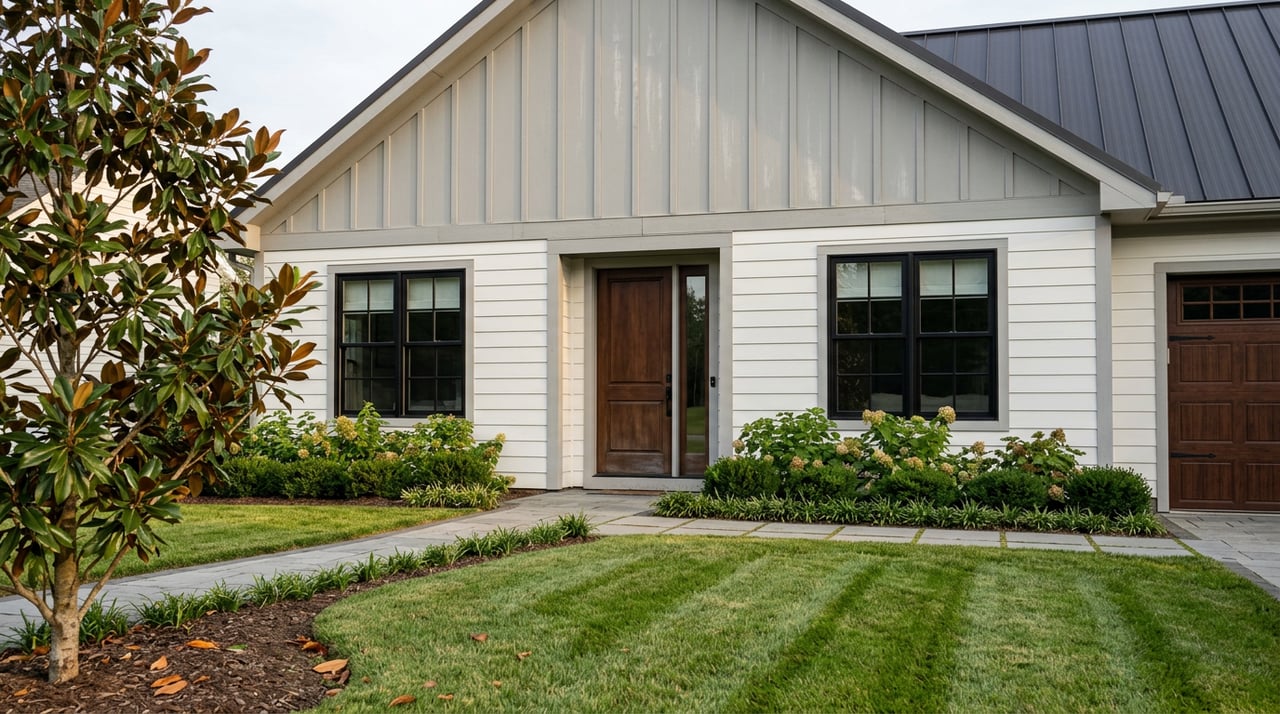
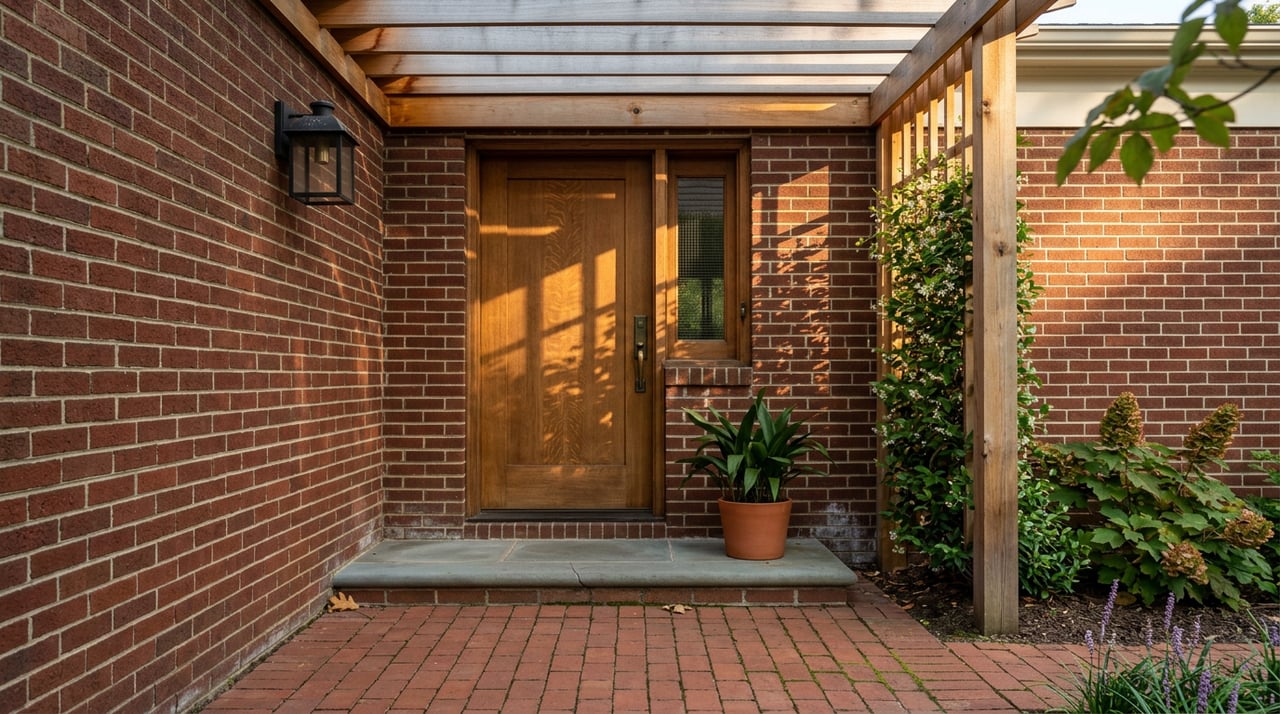
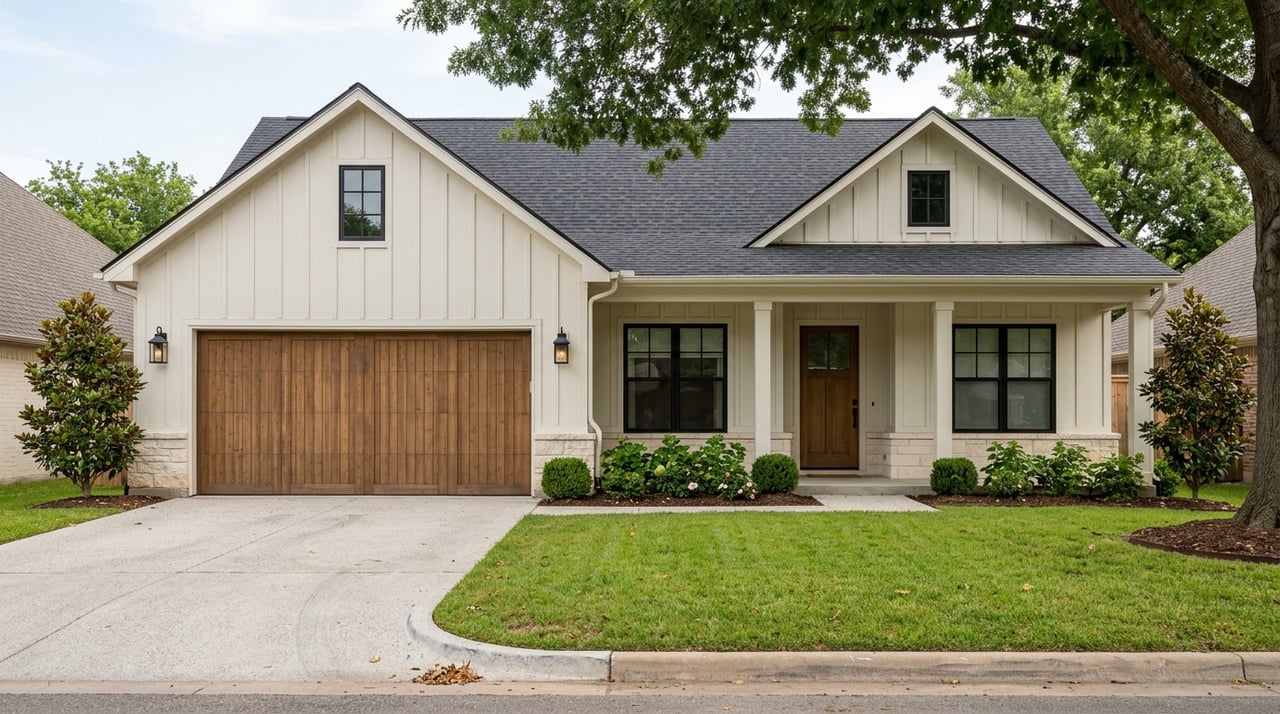
- The front porch and curb appeal
- Original wood floors
- Trim and millwork
- Fireplaces and built-ins
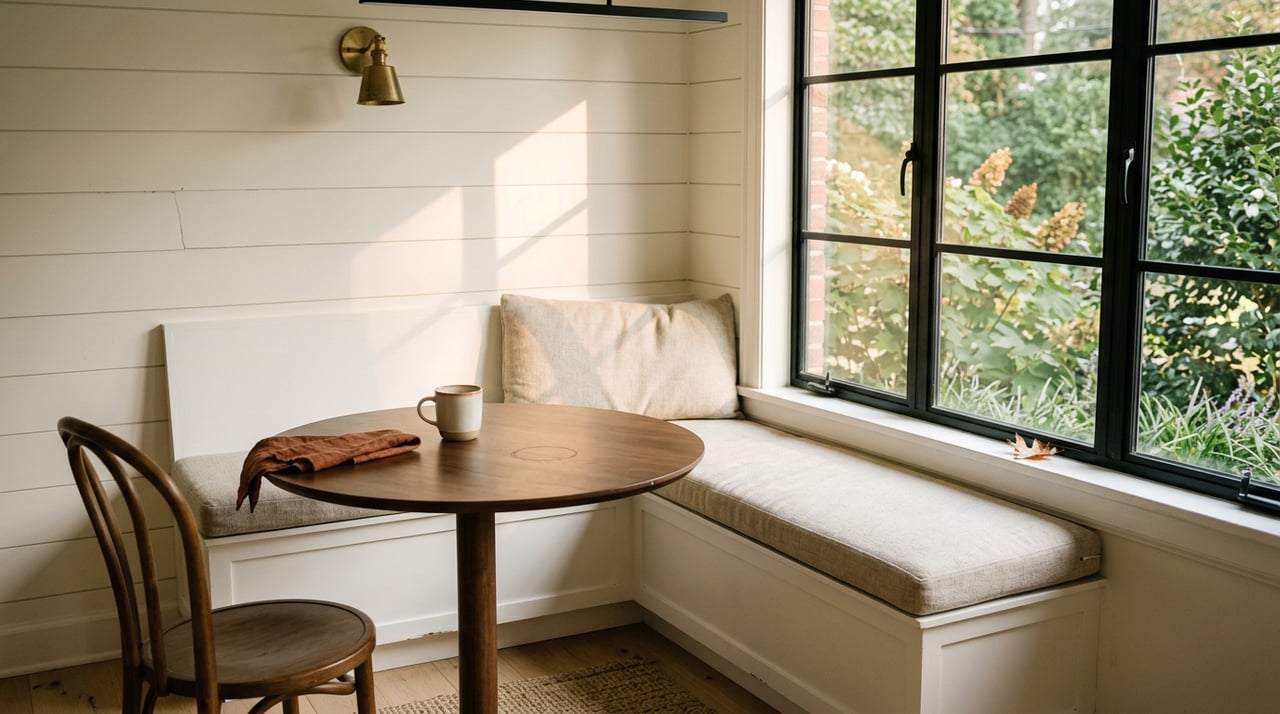
- Natural light in main rooms
- The room-to-room flow
This is where polished marketing can make a real difference. A selective restoration strategy works best when the final presentation clearly communicates why the home feels special.
Common seller mistakes to avoid
When preparing a historic bungalow for sale, a few missteps come up again and again. Most are avoidable with the right planning.
Here are the biggest ones to watch for:
- Starting exterior work before confirming whether a Certificate of Appropriateness is required
- Replacing original windows or porch details when repair was possible
- Using aggressive paint removal methods on older wood surfaces
- Over-renovating front rooms while neglecting original floors, trim, or layout
- Staging with too much furniture or décor so the architecture gets lost
- Investing in updates without a clear plan for photography and digital presentation
A better strategy for bungalow sellers
In Dilworth and Wilmore, the strongest sale prep is often not a dramatic makeover. It is a thoughtful editing process.
Preserve the windows, porch, floors, trim, and flow that give the home its identity. Put functional energy into kitchens and baths where modest improvements can help. Then finish with clean staging, strong photography, and clear storytelling that lets buyers see both the home’s history and its livability today.
That balanced approach tends to protect charm while supporting market appeal. For the right buyer, that is exactly what makes a bungalow stand out.
If you are getting ready to sell in Dilworth or Wilmore, a thoughtful plan can help you decide what to repair, what to leave alone, and where presentation will make the biggest difference. To talk through the right strategy for your home, start the conversation with Lana Laws.
FAQs
What exterior work on a Dilworth or Wilmore bungalow may need approval before listing?
- In Charlotte local historic districts, exterior changes such as windows, doors, fences, and tree removal require Historic District Commission approval, and a Certificate of Appropriateness must be approved before work begins.
Should you replace original windows before selling a bungalow in Dilworth or Wilmore?
- Not automatically. Historic windows should be repaired when possible, and if replacement is unavoidable on visible elevations, the new windows should closely match the originals in material and detail.
Which interior features matter most when preparing a historic bungalow for sale?
- Key character-defining features include the basic floor plan, entry spaces, primary staircase, fireplaces, trim, doors, windows, room heights in main spaces, and historic wood floors.
Where should you focus updates before listing a historic Charlotte bungalow?
- Kitchens and bathrooms are usually the most flexible areas for restrained functional updates, while the main living spaces, trim, floors, and room sequence are generally better preserved.
Does staging help sell a bungalow in Dilworth or Wilmore?
- Yes. Recent NAR research found that staging helps buyers visualize the home, can reduce time on market, and may support stronger offers, especially when key rooms like the living room, primary bedroom, dining room, and kitchen are well presented.
What should listing photos emphasize in a Dilworth or Wilmore bungalow?
- Strong listing media should highlight the porch, curb appeal, original floors, trim, fireplaces, built-ins, natural light, and the room-to-room flow so buyers can quickly understand the home’s character online.