Ask ten people what Wesley Heights is, and you will get one composite answer built from Pinky's, the skyline view, and a general sense that things are happening. That answer was accurate three years ago. It is now hiding a small structural shift that the last twelve months have made hard to ignore.
The neighborhood has quietly separated into three working corridors that do very different jobs. Jay Street runs on daily routines. Thrift Road runs on destination evenings. The Savona Mill campus, one block west of both, has finally started acting like the office and greenway anchor its developers promised. A single Saturday walk touches all three, and the differences between them are sharper than any single "west side food scene" writeup will tell you.
The interesting question is not what opened. It is which corridor each opening chose, and why that choice keeps holding.
Jay Street, or the corridor that runs on repeats
Jay Street is where residents go without thinking about it. Rhino Market and Deli anchors the morning, whether that means a grab-and-go English muffin sandwich or a build-your-own omelette, with coffee available at the counter, at Not Just Coffee on Jay Street, or from the CupLux drive-thru. Nothing on that sentence has changed in a year, and that is the point. This block absorbs the traffic that other blocks generate.
Maiz Agua Sal on Jay Street, the modern Mexican-inspired spot known for freshly-made tortillas, keeps drawing brunch crowds for chilaquiles and huevos rancheros, and its landlord matters as much as its menu. MAS sits inside the Lower Tuck development, and its owner has publicly credited the affordability of the adaptive-reuse space and supportive neighbors for making the concept work. That is the Jay Street trade: slightly cheaper rent, slightly further from the marquee, in exchange for the walk-in traffic of a residential grid.
The one Jay Street move that reshuffled the map this year is a departure. DŌZO, whose most recent location was in Wesley Heights, is opening a full restaurant in Dilworth in 2026, giving chef-owners Perry and John more seating to expand their Japanese-American menu. Read literally, that is a loss. Read structurally, it is a promotion: the concept outgrew a counter here and found a bigger box across town. The Jay Street corridor tends to graduate its tenants rather than trap them.
Thrift Road, or the corridor built for the drive-in
Thrift Road works differently. Its restaurants are the ones people cross the city to reach, and the tenants know it. Pizza Baby sits a short walk from Thrift Road, and Restaurant Constance, the Michelin-recognized farm-to-table spot with a rotating menu including butternut ricotta ravioli and rock shrimp and buttermilk grits, is open only for dinner Tuesday to Saturday and requires reservations for its ten-table dining room. Ten tables is not a neighborhood-only calculation. It is a scarcity model that assumes a reservation calendar.
The Thrift Road nightlife has hardened around the same premise. Runaway Whiskey and Wine reads as a swanky speakeasy with Art Deco flair and tufted booths, serving specialty cocktails like the Daisy Buchanan, while Streetcar Bar + Bites next door leans eclectic with cartoon-style pop art, cornhole and Skee-Ball. The two rooms are architecturally opposite and share a wall on purpose. A group can start formal, end casual, and never move their car.
The block's headline tenant remains the one that put it on television. Pinky's Westside Grill, featured on Food Network's "Diners, Drive-Ins and Dives" twice, is best known for chef Greg Auten's 5 oz. Pterodactyl burger served "Westside" with mustard, chili, slaw and onions. Pinky's predates the current build-out and functions as the corridor's magnet. Everything opened around it is calibrated for the traffic it draws.
Savona Mill, or the anchor that finally arrived
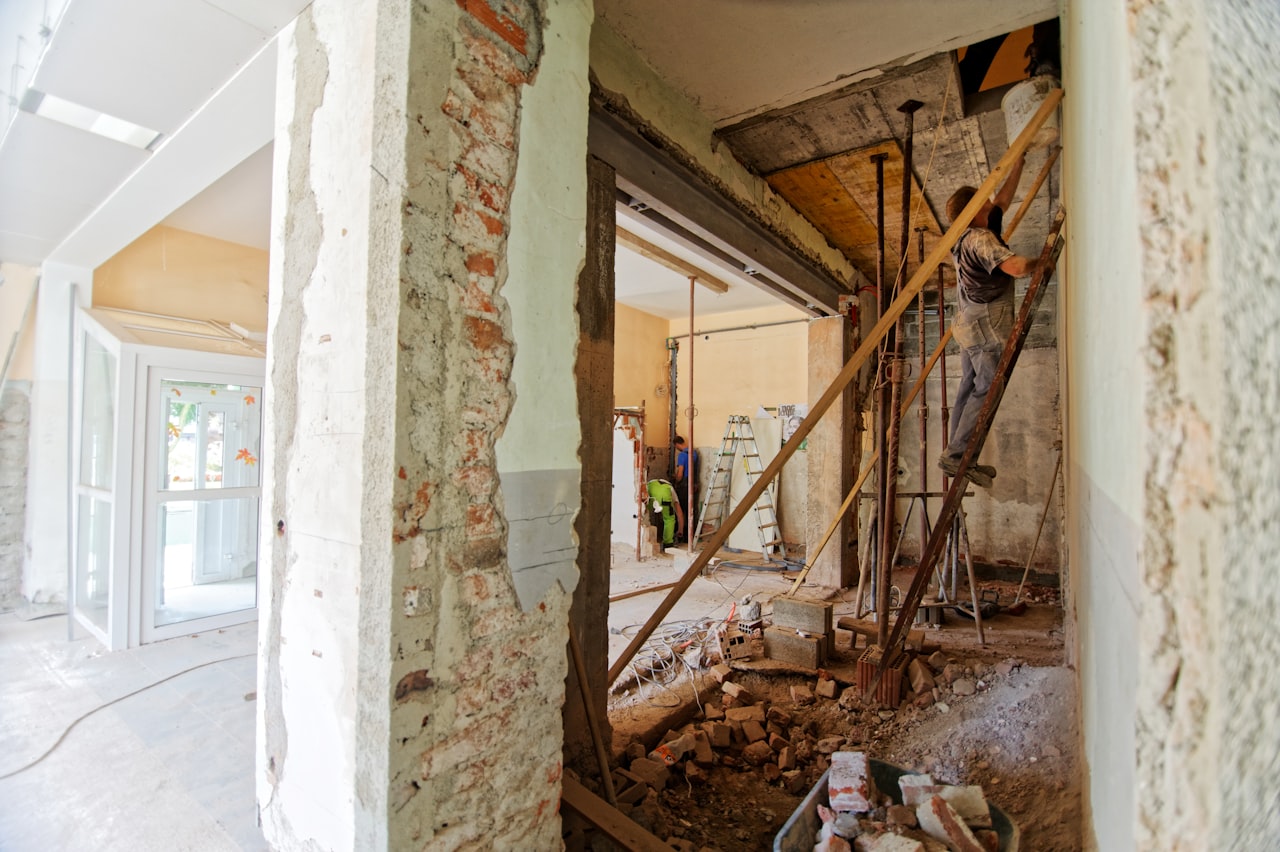
For most of the last three years, Savona Mill was a promise. It is now a working campus. The 27-acre redevelopment converted the 105-year-old former textile mill into 200,000 square feet of adaptive-reuse office space with more than 14,000 square feet of retail and a plaza directly off the Stewart Creek Greenway. The plaza and greenway frontage matter more than the office count for a resident's daily use.
The office count matters for the neighborhood's five-year arc, though, and 2025 was the year it started to move. BGW CPA, a Charlotte-based accounting firm, signed the mill's first office lease for 14,000 square feet of creative office space. Six months later, architecture and engineering firm BSA signed a lease for 3,452 square feet on the first floor, marking the second office lease and joining BGW, which had moved in about 30 days earlier. Two tenants is not a full building. It is a shift from speculative to occupied, and the practical read is more midday foot traffic on a stretch that used to empty out after 5 p.m.
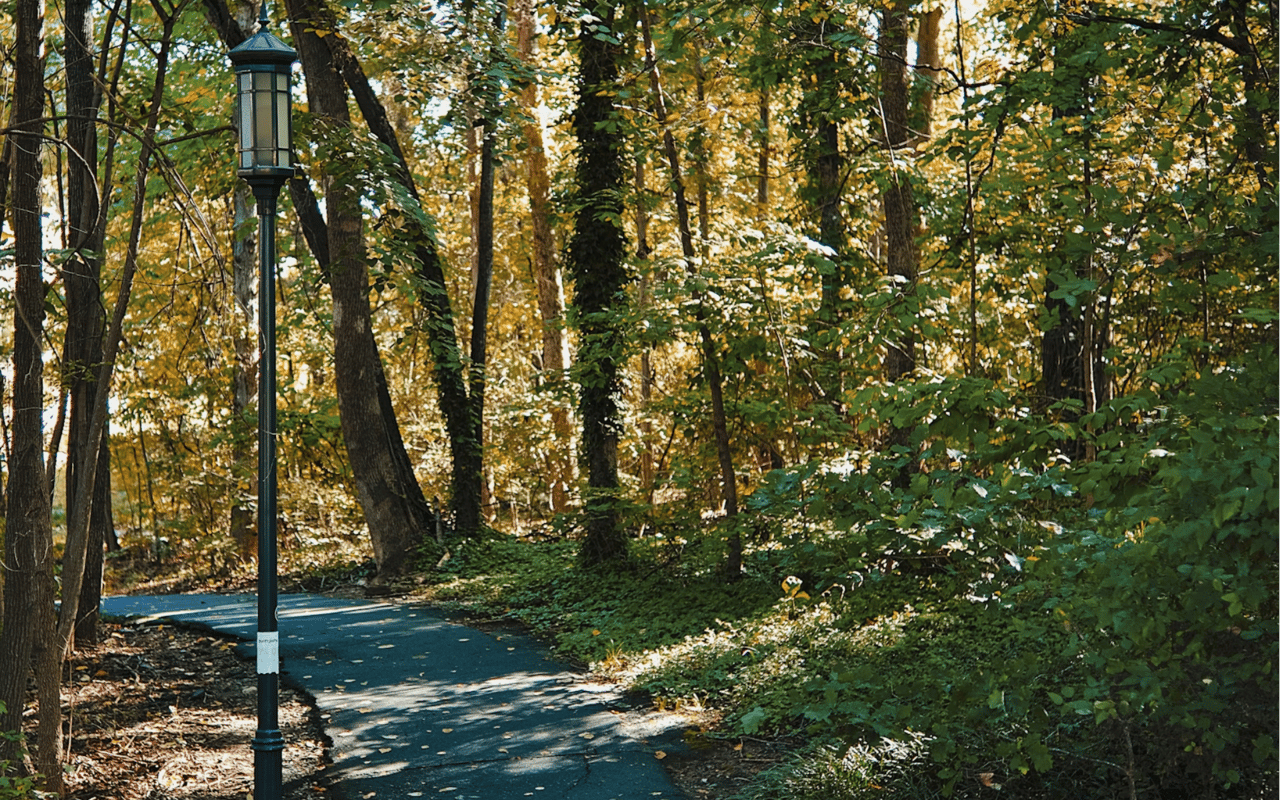
The other Savona Mill piece is directly adjacent. Stewart Creek Greenway's 181-foot bridge, the longest in Mecklenburg County's greenway system, sits near the former Blue Blaze Brewing site and where Savona Mill currently is, and the trail section through Martin Luther King Jr. Park officially opened in March 2025. The greenway has always been the neighborhood's unfair advantage against South End. What changed is that the anchor at the end of the trail is now a real destination rather than a construction fence.
What actually changed since last summer
For readers who just want the diff, here is the short version, with dates attached:
- March 2025: The Stewart Creek Greenway section through MLK Jr. Park opened as part of a project that added 0.5 miles of trail along the creek and 1 mile along the tributary, per the Mecklenburg County partnership with Charlotte-Mecklenburg Storm Water Services.
- Fall 2025: Savona Mill went from zero office tenants to two, with BGW CPA and BSA moving into completed spec suites, based on reporting that BSA's October lease marked the second office deal at the property, joining BGW roughly 30 days earlier.
- Early 2026: DŌZO announced its Dilworth expansion, freeing counter space in Wesley Heights and signaling that the concept had outgrown its original room, per Scoop Charlotte's roundup of anticipated 2026 openings.
- April 2026: Mecklenburg County moved forward on a plan for Bryant Park, described in local reporting as a $9.6 million upgrade including a skate and all-wheels area and a Stewart Creek tributary greenway segment of roughly 1.2 miles connecting to West Morehead Street. The park sits between Wesley Heights and Camp Greene, meaning the greenway network is about to extend south of the current anchor, not just north.
The walk, in order
For a Saturday that touches all three corridors without doubling back, the sequence that works:
- Start on Jay Street with coffee at Not Just Coffee or the CupLux drive-thru, and eggs at Rhino Market or brunch at Maiz Agua Sal.
- Cut over to LaCa Projects on the way west. The gallery, with locations in Charlotte and Buenos Aires, features Latin American contemporary art, and its current exhibit is the reason to arrive between coffee and lunch rather than after.
- Take the Stewart Creek Greenway south past the 181-foot bridge to the Savona Mill plaza. Blue Blaze Brewing sits directly on the trail, which is still the neighborhood's most functional pre-dinner stop.
- Return north on foot to Thrift Road. Reserve Restaurant Constance in advance if you want dinner there, or land at Pinky's or Pizza Baby without one.
- Close at Runaway Whiskey and Wine, then step next door to Streetcar Bar + Bites if the evening still has legs.
Five stops, three corridors, one continuous walk. Every corner of that route did something new in the last twelve months, but the more interesting fact is that the corners kept their assignments. Jay Street stayed the daily corridor. Thrift Road stayed the destination corridor. Savona Mill finally became the anchor it was drawn as.
The take
Neighborhoods that get written up as one food scene usually collapse into one in practice, with the strongest block eating the others. Wesley Heights has done the opposite. The past year of leases, openings and greenway ribbon cuttings has reinforced three distinct roles rather than merging them, and the residents who live here already navigate that distinction without thinking about it. The rest of Charlotte is still catching up to the map.
If you are thinking about how this shift changes what your block, your commute, or your future move looks like, The Laws Collective reads Charlotte at the corridor level, not the ZIP-code level. Start the conversation when you are ready.