By The Laws Collective
We work with buyers across Charlotte every day, and the home inspection process is one of the steps we spend the most time preparing people for — because it's where deals get made, renegotiated, or occasionally walked away from. Whether you're buying in Dilworth, Ballantyne, or NoDa, understanding what happens during an inspection and how it connects to North Carolina's due diligence period puts you in a far stronger position at the table.
Key Takeaways
- North Carolina's due diligence period is where inspections happen — and the clock starts the moment your offer is accepted
- Charlotte's clay soil, humid climate, and older neighborhoods create specific inspection priorities buyers need to know
- A general inspection is just the starting point — specialty add-ons like radon and crawl space evaluations are often worth it here
- Inspection findings are a negotiating tool, not a reason to panic
How the Home Inspection Process Charlotte NC Buyers Use Actually Works
Once your offer is accepted, you enter North Carolina's due diligence period — a negotiated window during which you can investigate the property and terminate for any reason with written notice before the deadline. In Charlotte's competitive market, due diligence periods can run as short as three to seven days in high-demand neighborhoods, though 14 to 21 days is more common across the broader metro.
The due diligence fee you pay at contract acceptance goes directly to the seller and is non-refundable if you walk away. Your earnest money, held in escrow, is typically returned if you terminate in writing before the deadline. This means time is the most valuable thing you have — schedule your inspector as soon as the contract is signed.
The due diligence fee you pay at contract acceptance goes directly to the seller and is non-refundable if you walk away. Your earnest money, held in escrow, is typically returned if you terminate in writing before the deadline. This means time is the most valuable thing you have — schedule your inspector as soon as the contract is signed.
What a General Home Inspection Covers
- Structure and foundation, including visible cracks, settling, and grading
- Roof condition, including shingles, flashing, gutters, and drainage
- Electrical systems, panels, wiring, and outlets
- Plumbing, water heater, and visible supply and drain lines
- HVAC systems, including age, condition, and performance
- Attic insulation, ventilation, and visible signs of moisture or pest activity
- Crawl space, which in Charlotte is often where the most significant findings appear
Charlotte-Specific Issues That Shape the Home Inspection Process
Charlotte's geography and climate create inspection priorities that differ from drier or colder markets. The region sits on expansive clay soil that swells when wet and contracts when dry, creating foundation pressure over time. Minor movement is common and doesn't always require immediate repair, but it needs context. Charlotte's warm, humid summers make crawl spaces a consistent trouble spot — moisture buildup leads to wood rot, mold, and pest activity when crawl spaces aren't properly sealed.
Charlotte Inspection Priorities to Discuss With Your Inspector
- Foundation cracks and settling tied to clay soil expansion and contraction
- Crawl space moisture, mold, and wood rot driven by summer humidity
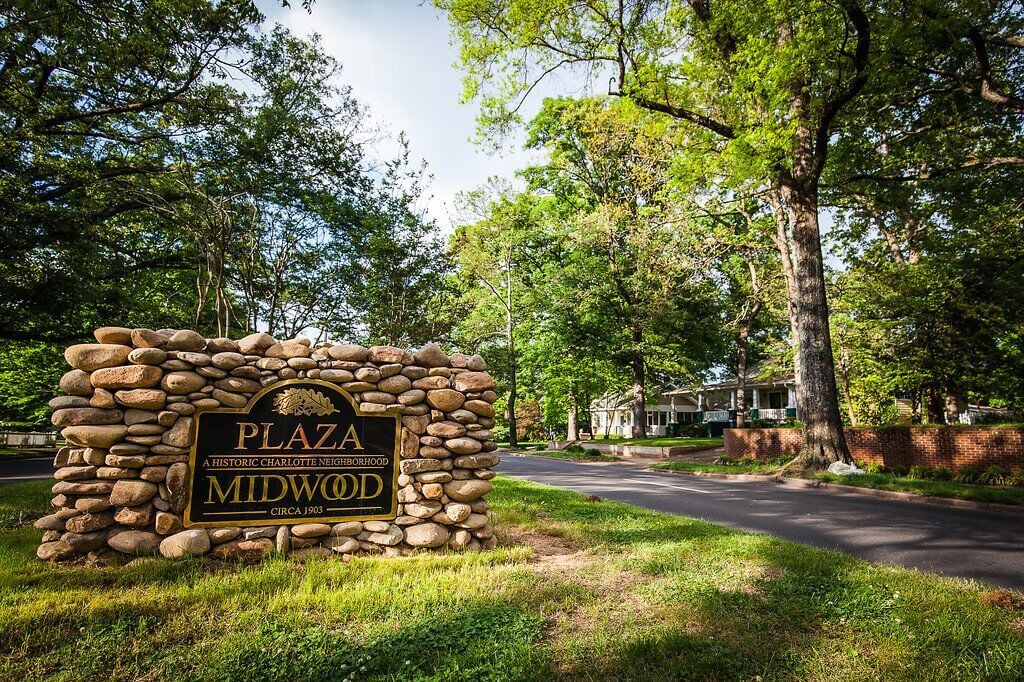
- Roofing wear from summer storms, significant in older neighborhoods like Plaza Midwood and Wilmore
- HVAC condition — systems work harder in Charlotte's summers, and aging units show it
- Radon levels, which warrant testing across much of the Charlotte area given regional geology
Specialty Inspections Worth Adding in Charlotte
A general home inspection is the foundation of the home inspection process in Charlotte, NC, but it doesn't cover everything. Inspectors document what they can observe visually — no destructive testing or specialized analysis. For Charlotte buyers, a few add-ons are worth taking seriously.
Radon testing is near the top of that list. Charlotte sits between EPA Radon Zone 2 and Zone 3, meaning elevated levels are a real possibility, and radon enters homes through crawl spaces and foundation gaps without any visible sign. The EPA recommends mitigation at 4.0 pCi/L or higher. A 48-hour radon test alongside your general inspection adds minimal time and cost relative to what it tells you.
Radon testing is near the top of that list. Charlotte sits between EPA Radon Zone 2 and Zone 3, meaning elevated levels are a real possibility, and radon enters homes through crawl spaces and foundation gaps without any visible sign. The EPA recommends mitigation at 4.0 pCi/L or higher. A 48-hour radon test alongside your general inspection adds minimal time and cost relative to what it tells you.
Specialty Inspections to Consider
- Radon testing, especially for homes with crawl spaces or basements
- Termite and wood-destroying organism inspection
- Sewer scope, particularly for older homes in established Charlotte neighborhoods
- Mold or air quality testing when visible moisture damage or musty odors are present
- Crawl space evaluation beyond what a general inspection covers
How to Use the Report During Due Diligence
Once the report is delivered — typically within 24 hours for most Charlotte inspectors — we go through findings with our clients together. Not every item carries equal weight. Inspectors document everything from major structural concerns to minor maintenance items, and the list can look alarming without context.
The question isn't whether the report found issues — it almost always will. The question is which findings are significant enough to negotiate, which are routine maintenance, and which are deal-altering. In North Carolina, buyers can request repairs, a credit, a price reduction, or some combination. If you can't reach agreement before your due diligence deadline, you can terminate and recover your earnest money.
The question isn't whether the report found issues — it almost always will. The question is which findings are significant enough to negotiate, which are routine maintenance, and which are deal-altering. In North Carolina, buyers can request repairs, a credit, a price reduction, or some combination. If you can't reach agreement before your due diligence deadline, you can terminate and recover your earnest money.
How Inspection Findings Typically Break Down
- Safety or structural items: foundation problems, electrical hazards, major roof failure — these warrant serious negotiation or termination
- Significant systems: aging HVAC, water heater near end of life, plumbing issues — negotiate for credits or repairs
- Deferred maintenance: cosmetic wear, minor caulking, paint — typically buyer's responsibility going in
- Further evaluation items: anything flagged for a specialist should be followed up before your deadline
FAQs
Should I attend the home inspection in Charlotte?
Yes — we always encourage our buyers to be there, at least for the walkthrough at the end. Being present lets you ask questions, see findings in context, and hear directly from the inspector what matters most. A written report is valuable, but nothing replaces seeing the issues firsthand.
What happens if major issues are found during the home inspection process in Charlotte, NC?
You have options. We can request that the seller make repairs before closing, negotiate a credit, ask for a price reduction, or — if the findings are serious enough and you're within your due diligence period — terminate the contract and recover your earnest money. The right approach depends on the findings, the seller's situation, and the market dynamics on that property.
Do new construction homes in Charlotte need inspections too?
Yes. New builds are not exempt from issues — construction defects related to grading, drainage, HVAC installation, and framing are more common than most buyers expect. We recommend a pre-drywall inspection during the build and a full inspection before closing, even on brand-new homes.
Contact The Laws Collective
The home inspection process in Charlotte, NC is one of the most consequential steps in your purchase, and having the right guidance makes the difference between a negotiation that works in your favor and one that leaves money on the table. We've walked through hundreds of inspection reports with clients across Charlotte, and we know how to read findings, prioritize what matters, and push for the right outcome.
Reach out to us, The Laws Collective, and let's make sure your inspection period works for you from start to finish.
Reach out to us, The Laws Collective, and let's make sure your inspection period works for you from start to finish.