Trying to choose between Wesley Heights and South End? You are not just picking a home. You are choosing how your days will feel, how you will move through Charlotte, and what kind of neighborhood rhythm fits you best. This guide breaks down the real lifestyle differences so you can decide with more clarity and confidence. Let’s dive in.
Wesley Heights at a Glance
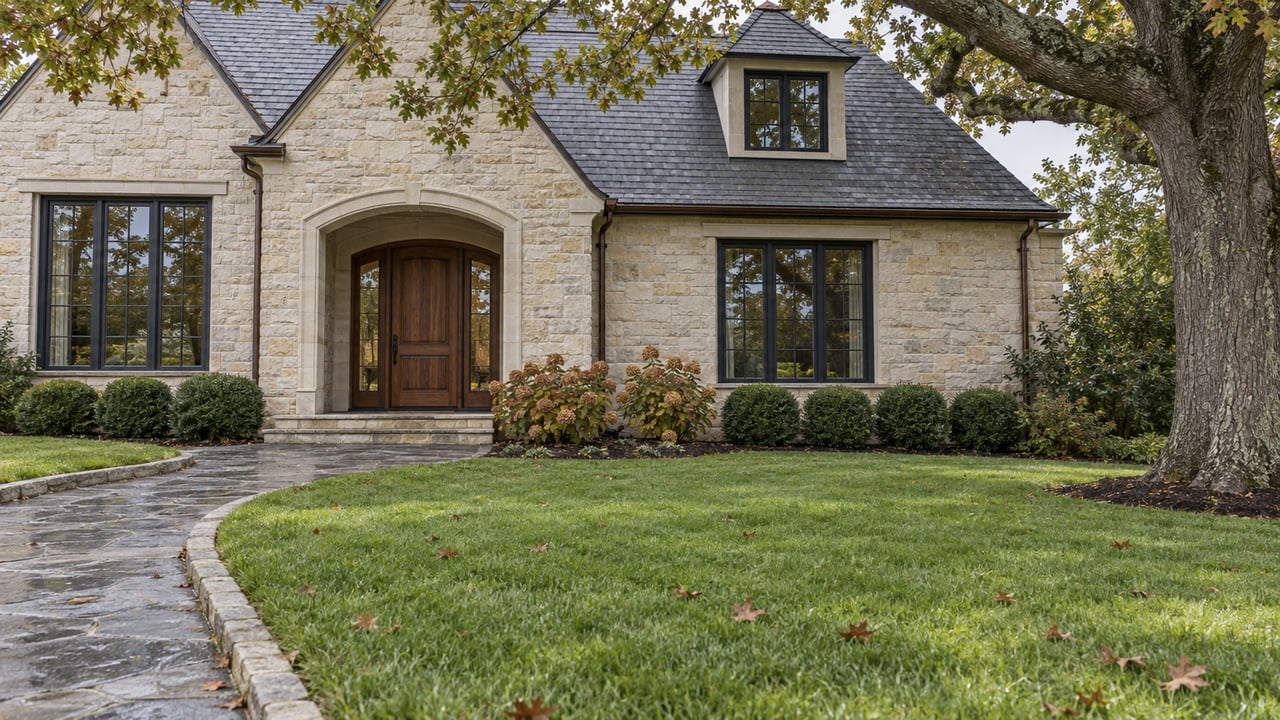
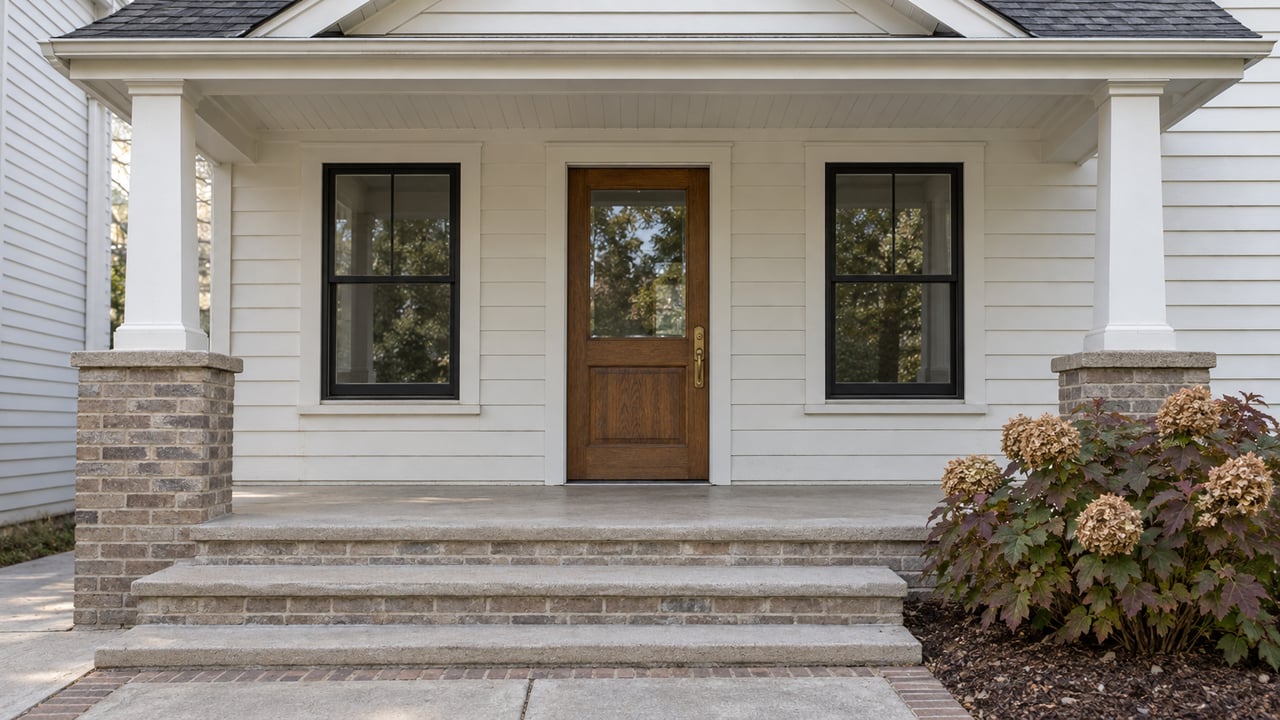
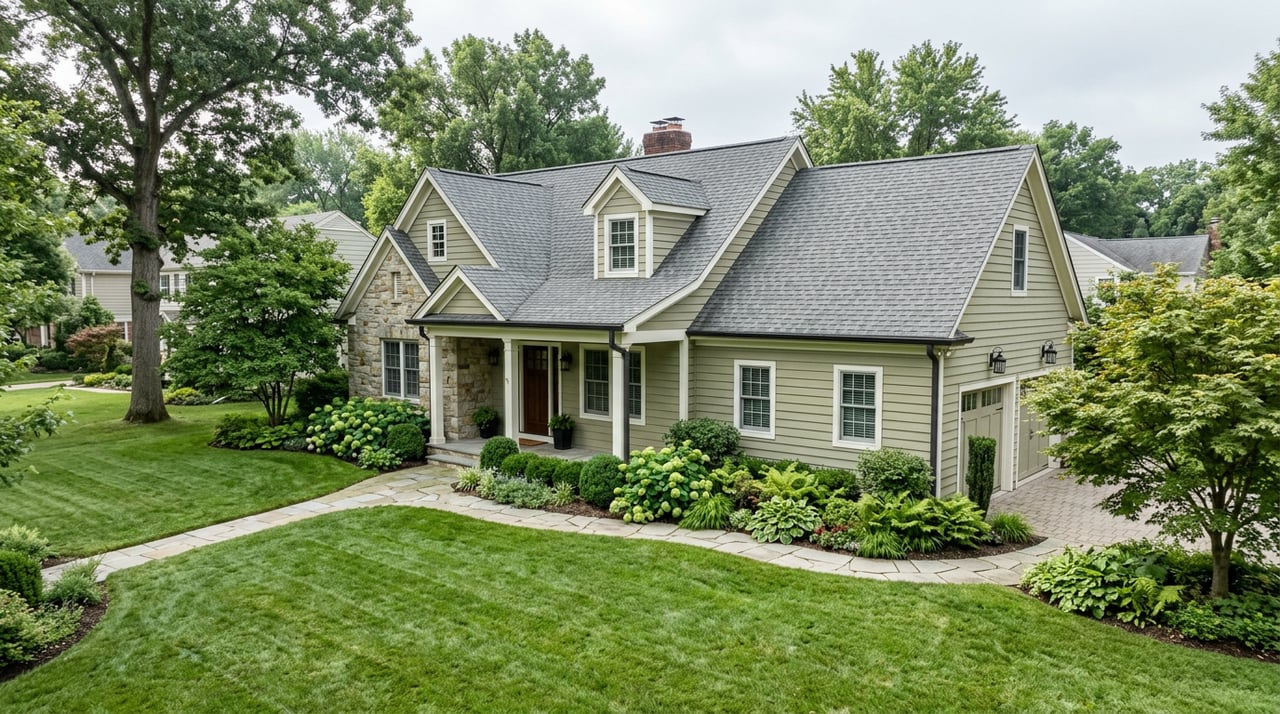
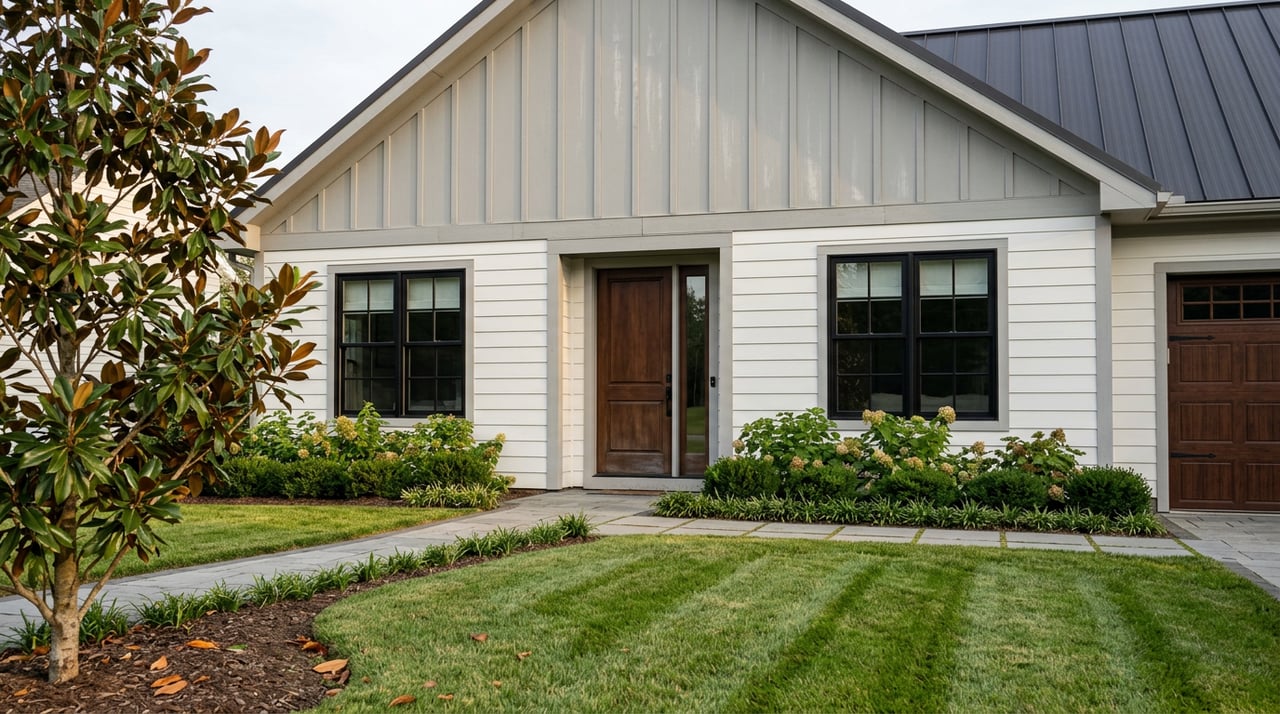
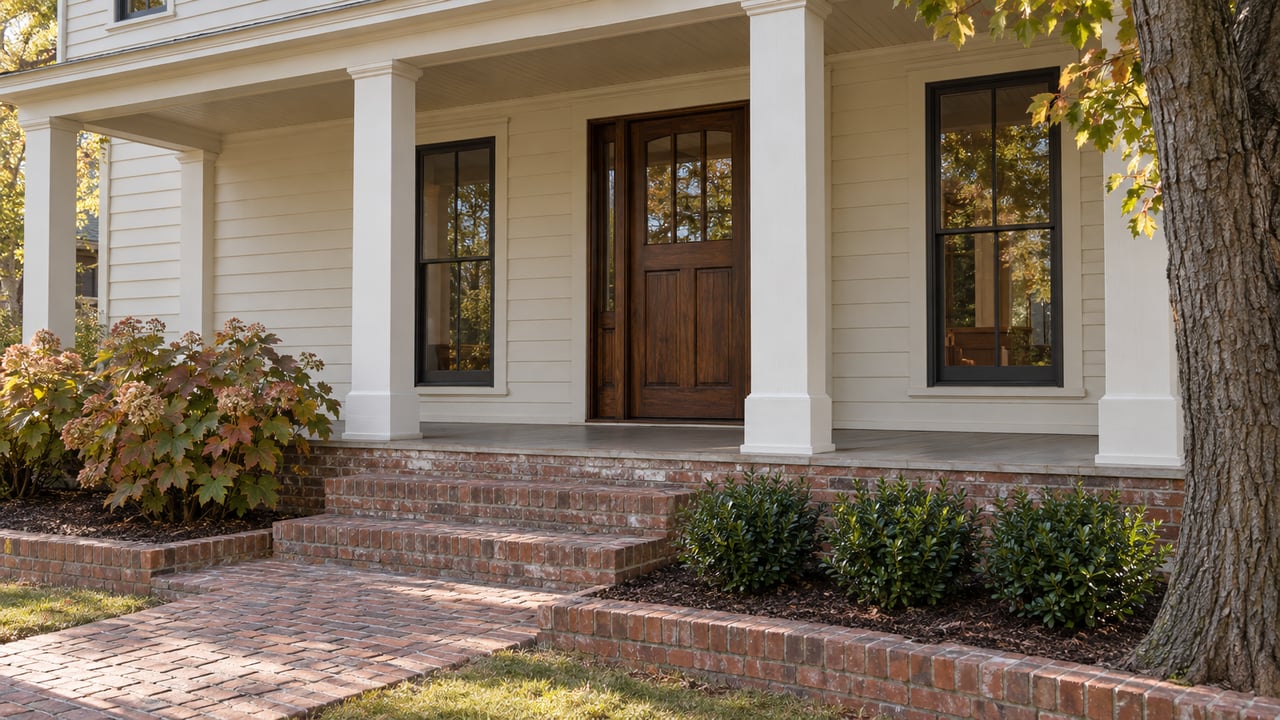
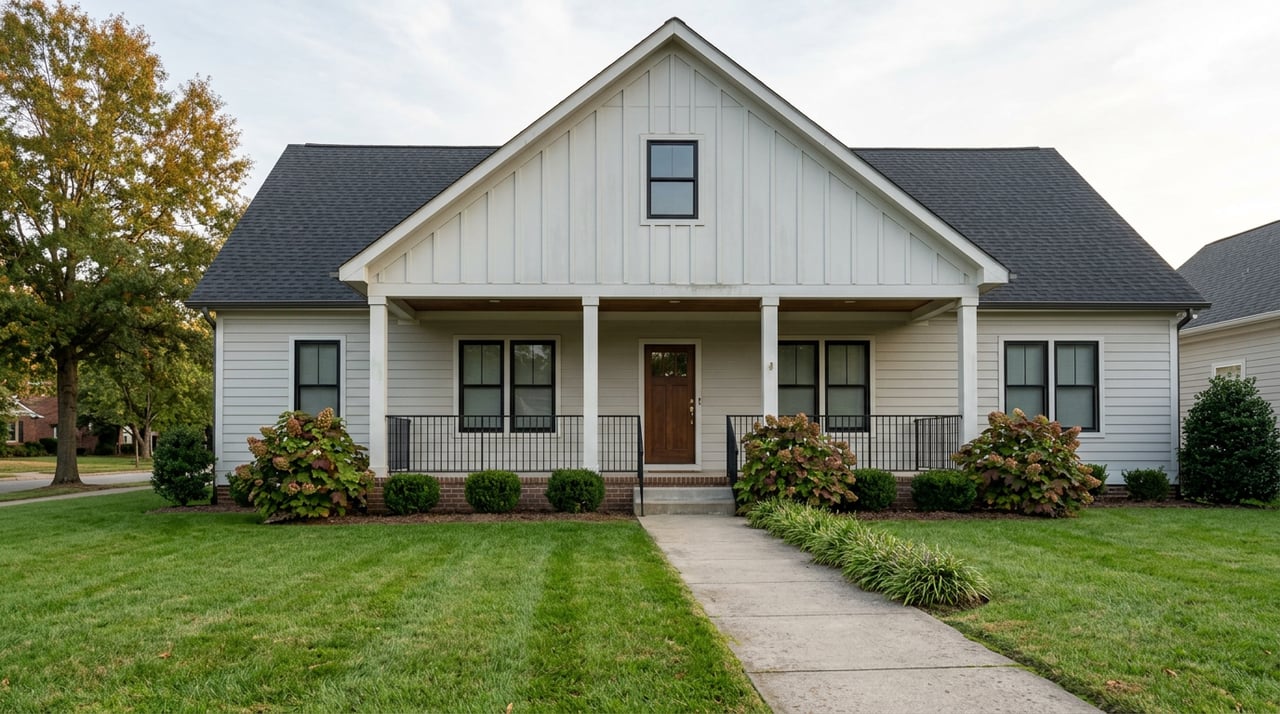
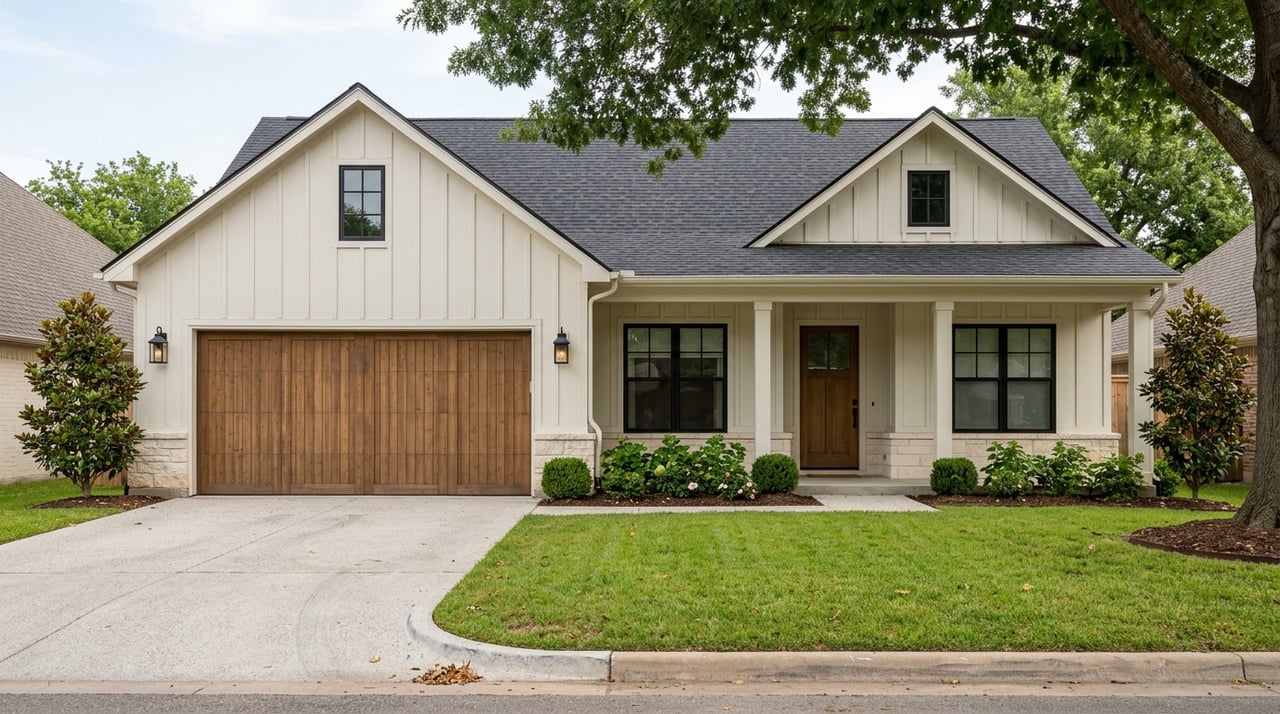
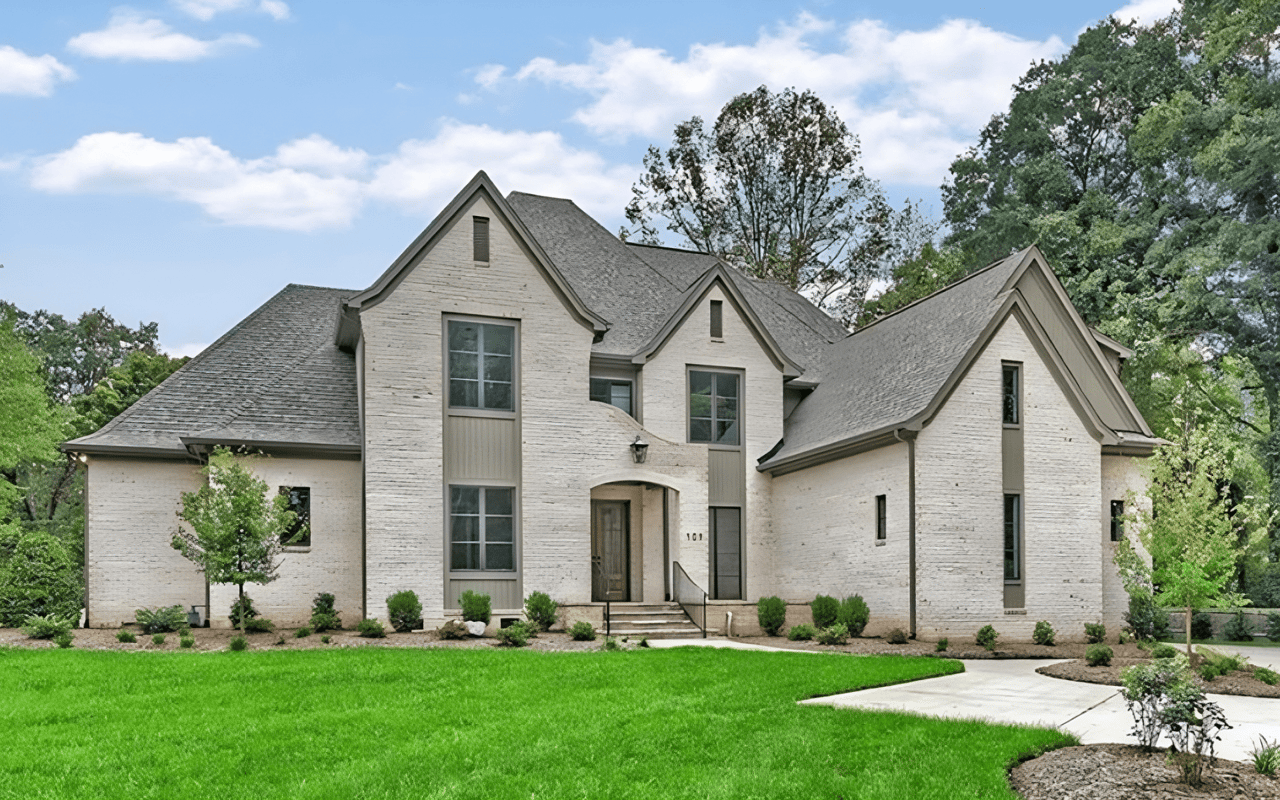
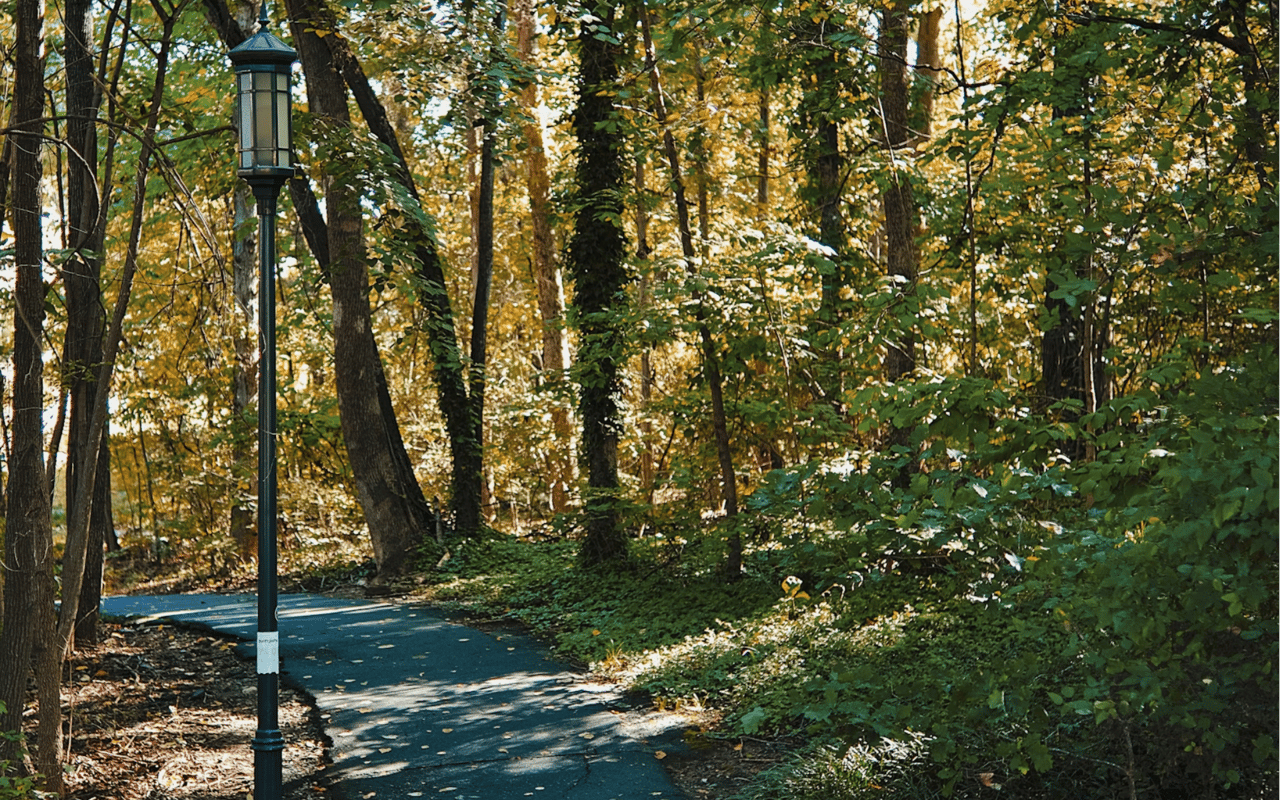
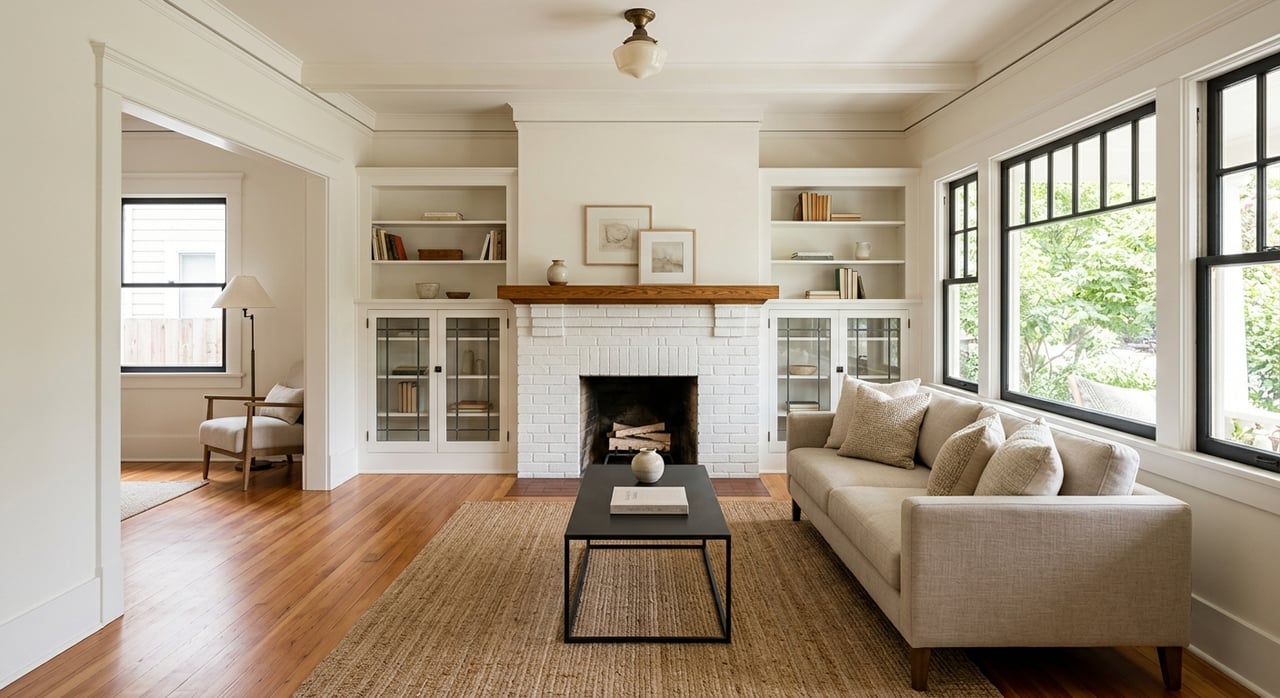
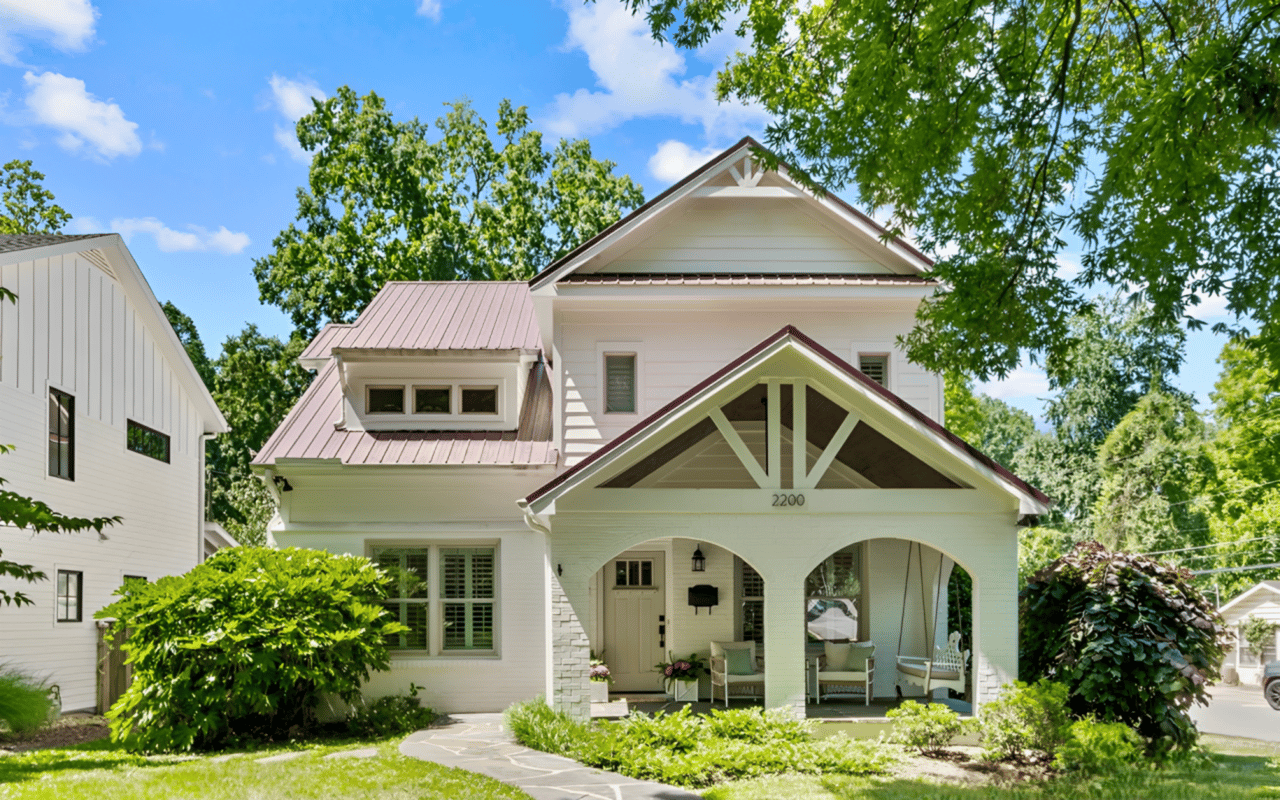
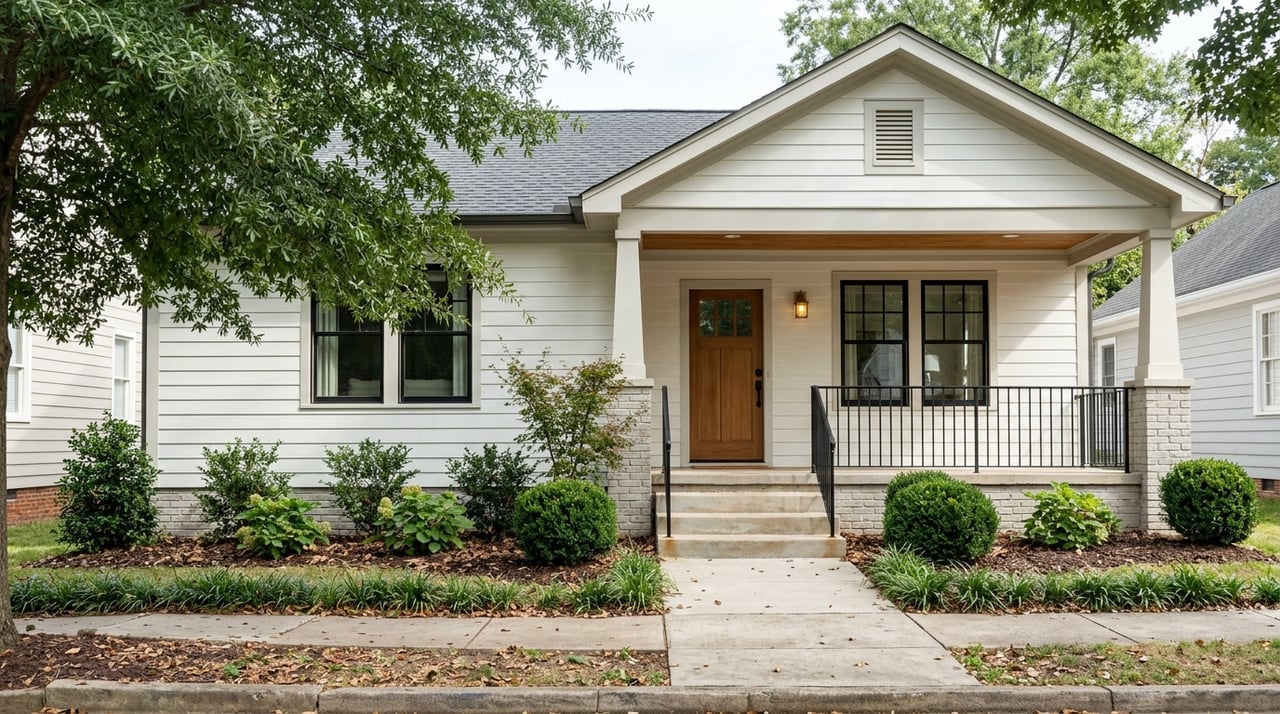
Wesley Heights offers a more classic neighborhood setting with deep Charlotte roots. The City of Charlotte identifies it as the west side’s first local historic district, known for its 1920s streetcar-era character, bungalow-style homes, and tree-canopied streets.
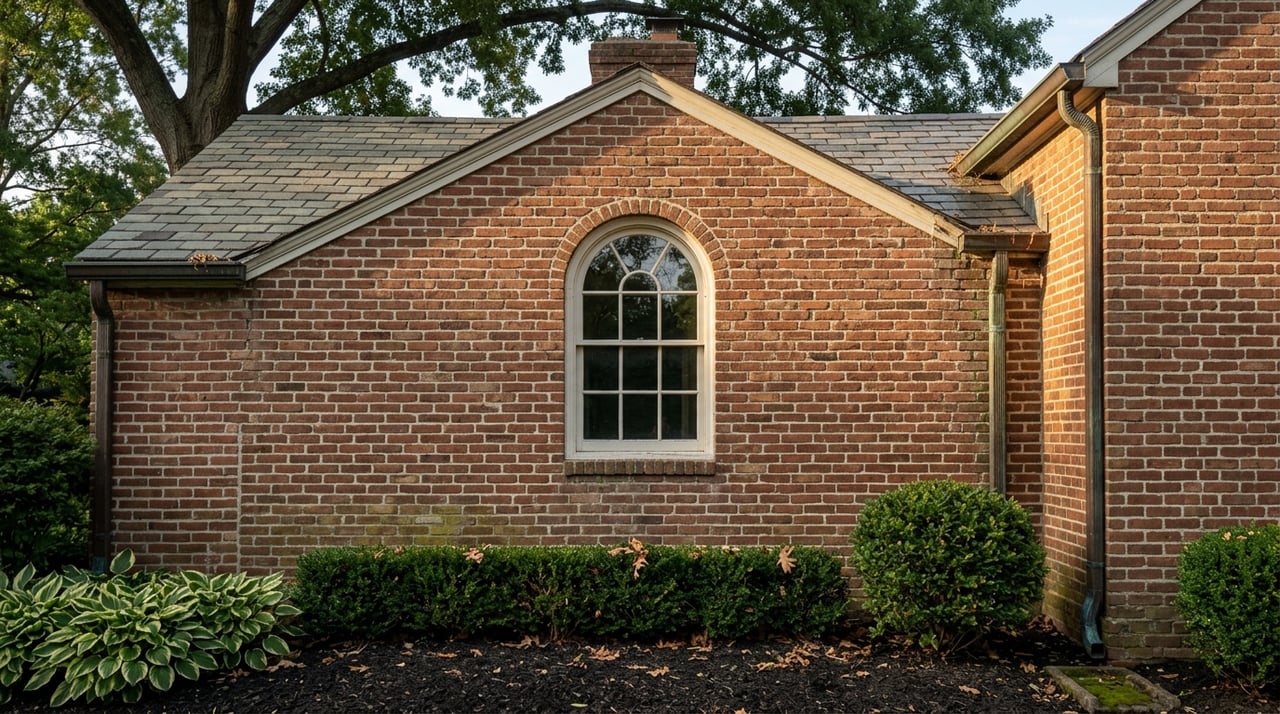
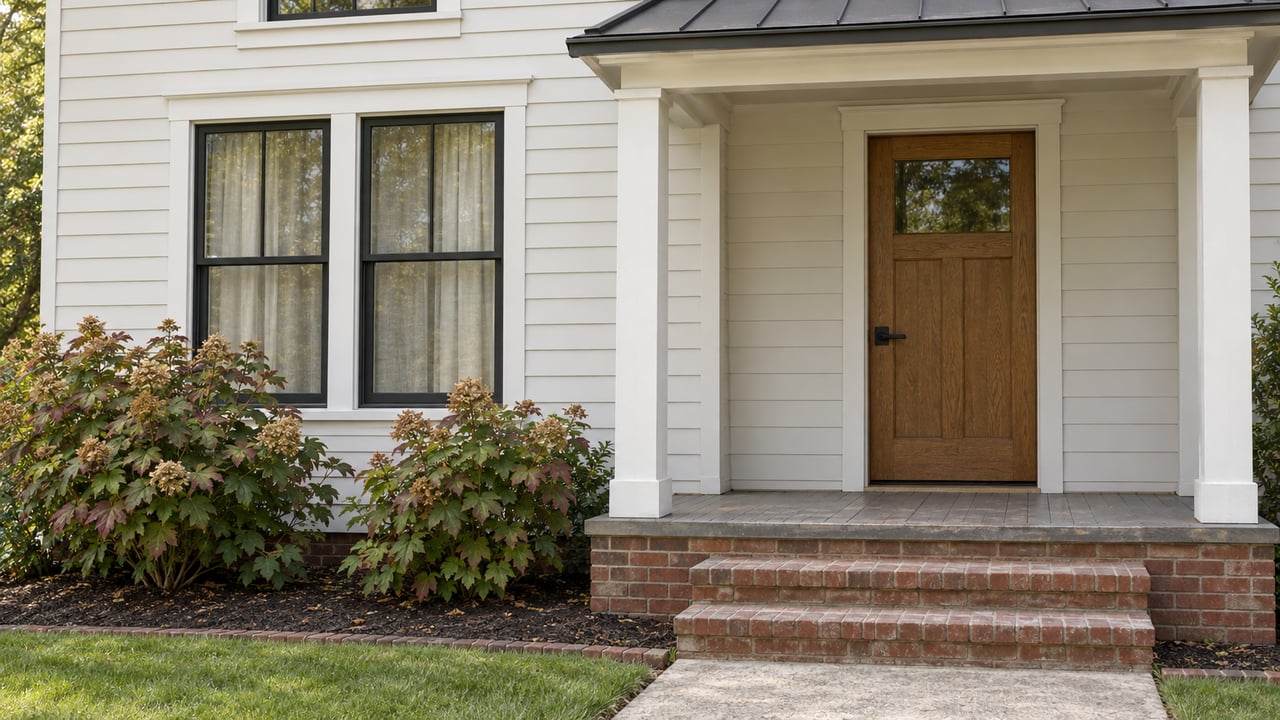
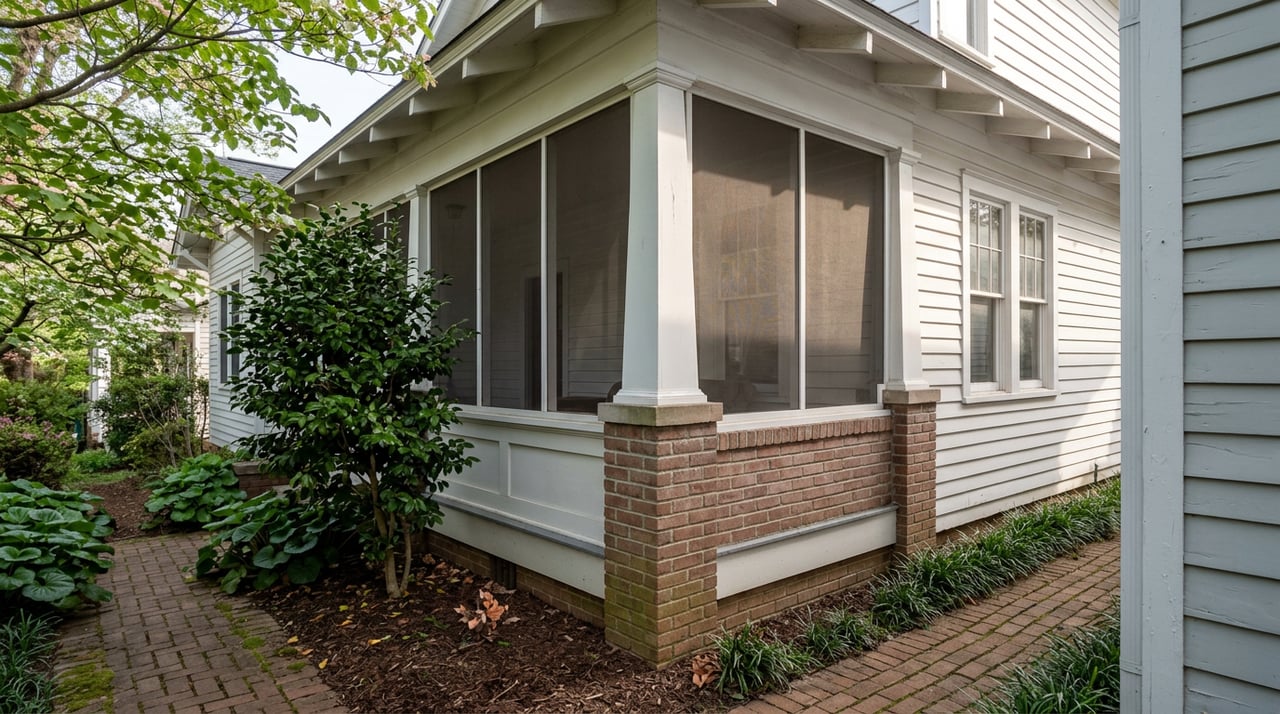
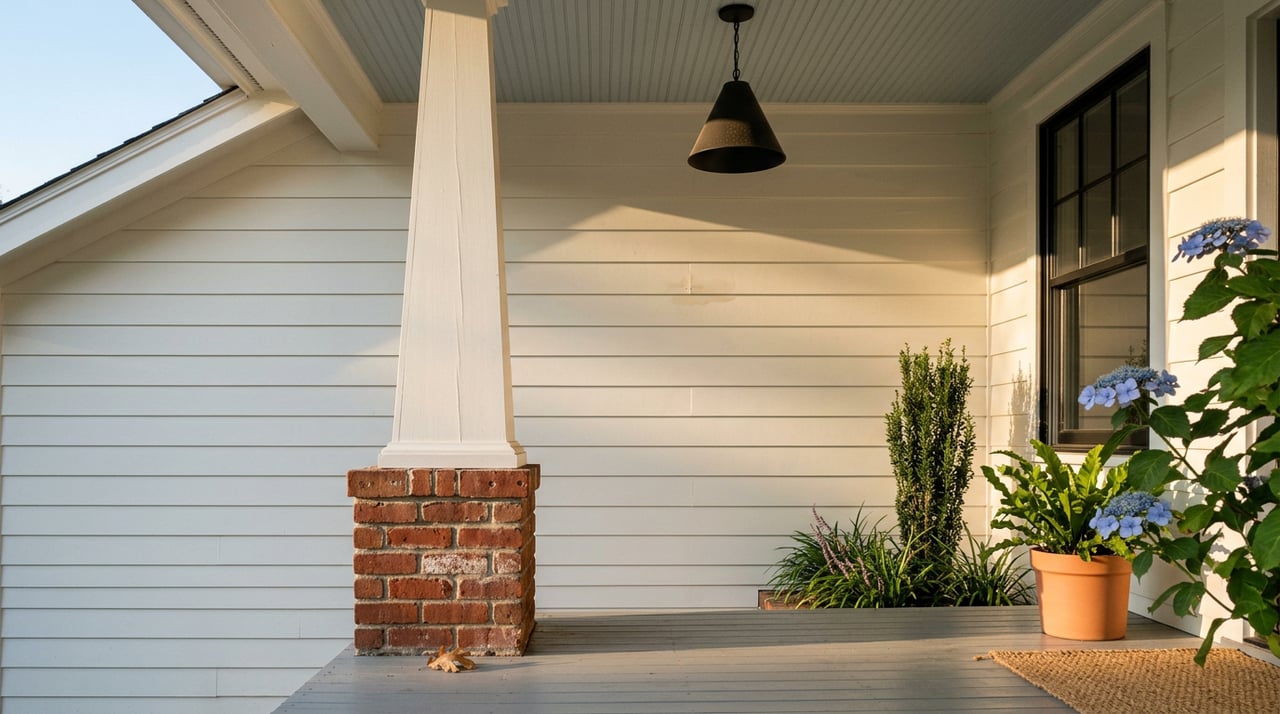
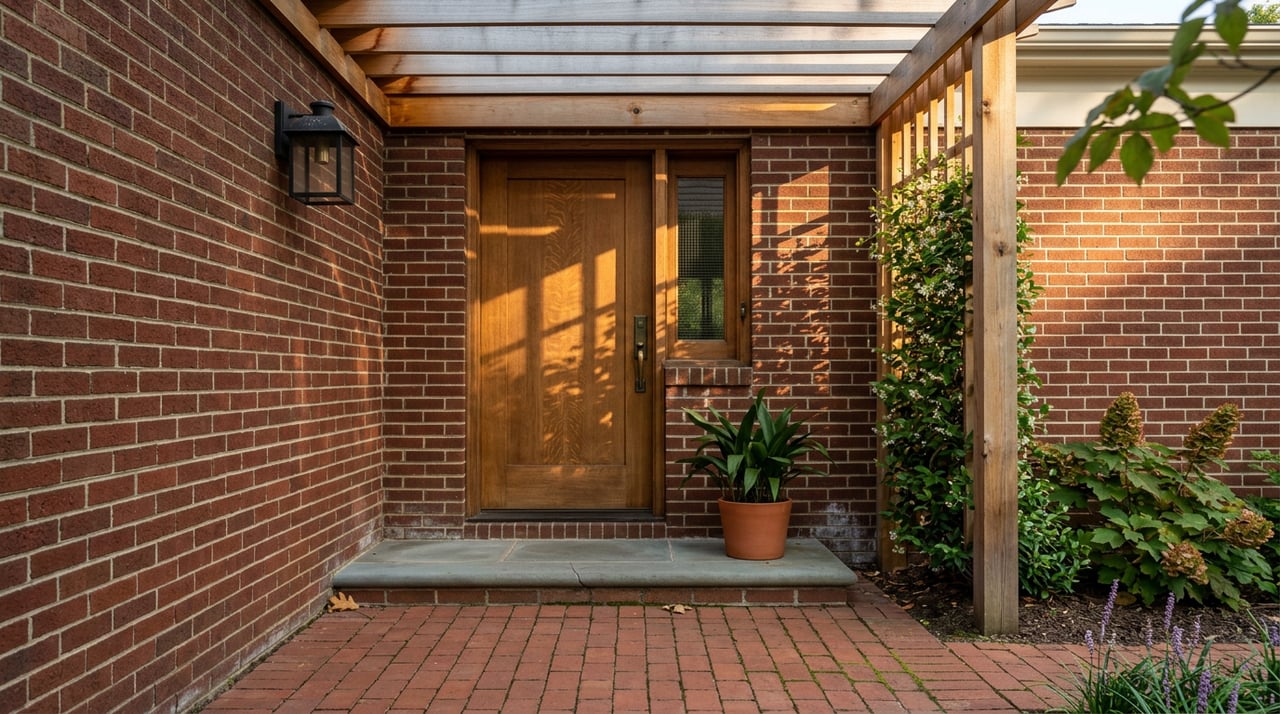
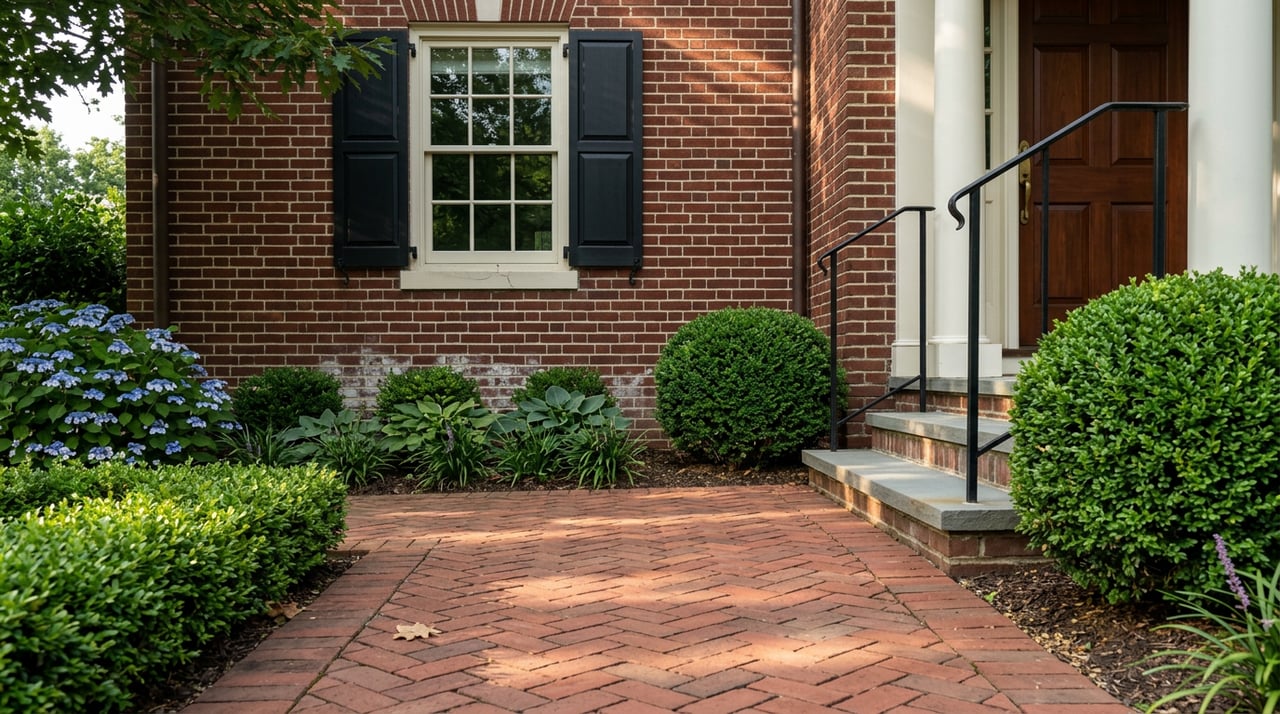
Its architecture is part of the appeal. The Charlotte Historic District Commission describes a preserved mix of Craftsman bungalows, Colonial homes, Tudor homes, and American Small House styles. If you are drawn to charm, front porches, and established streetscapes, Wesley Heights has a strong identity.
South End at a Glance
South End feels more urban, active, and vertical. It is closely tied to the Blue Line Rail Trail, which the city describes as an 11-mile pedestrian and bicycle corridor used for commuting, jogging, cycling, dog walking, dining, shopping, and more.
In some sections, the Rail Trail sees more than 2,000 users per day. That tells you a lot about the pace of the area. If you want an environment built around movement, convenience, and easy access to restaurants and retail, South End may feel like a natural fit.
Built Form and Neighborhood Character
Wesley Heights Feels Historic and Residential
Wesley Heights is a good fit if you want a neighborhood with visible architectural continuity. The preserved housing stock and mature streets help create a setting that feels calmer and more residential than many of Charlotte’s newer urban districts.
That historic character also comes with structure. Because Wesley Heights is a local historic district, exterior changes require Historic District Commission review and a Certificate of Appropriateness before work begins. For some buyers, that added oversight helps protect neighborhood character. For others, it is an important practical consideration before buying.
South End Feels Urban and Energetic
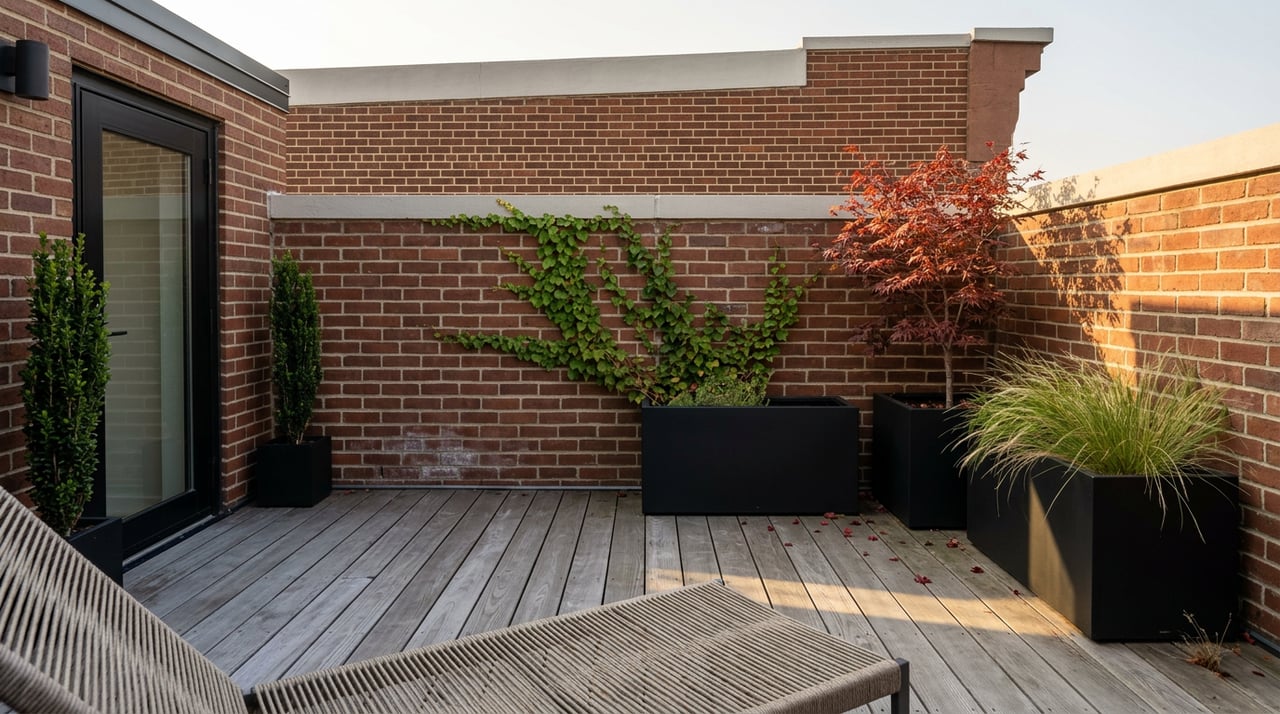
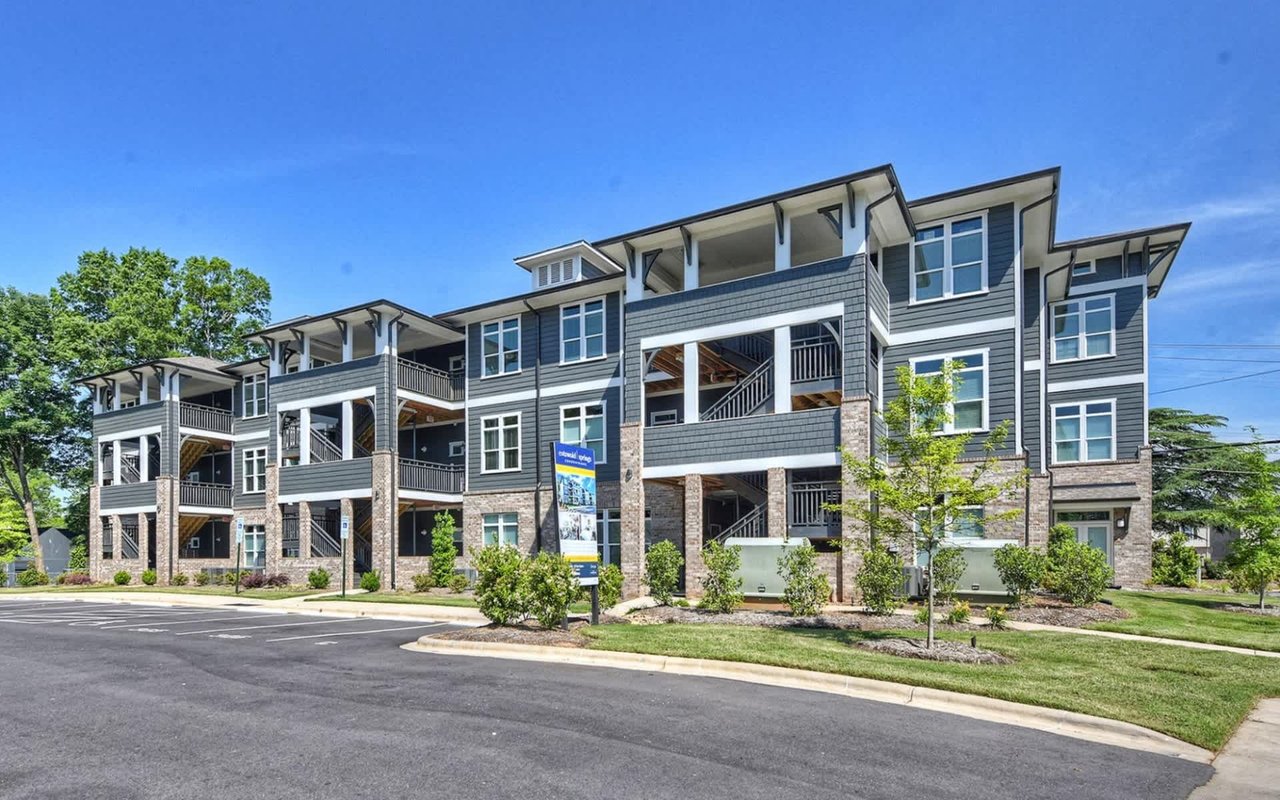
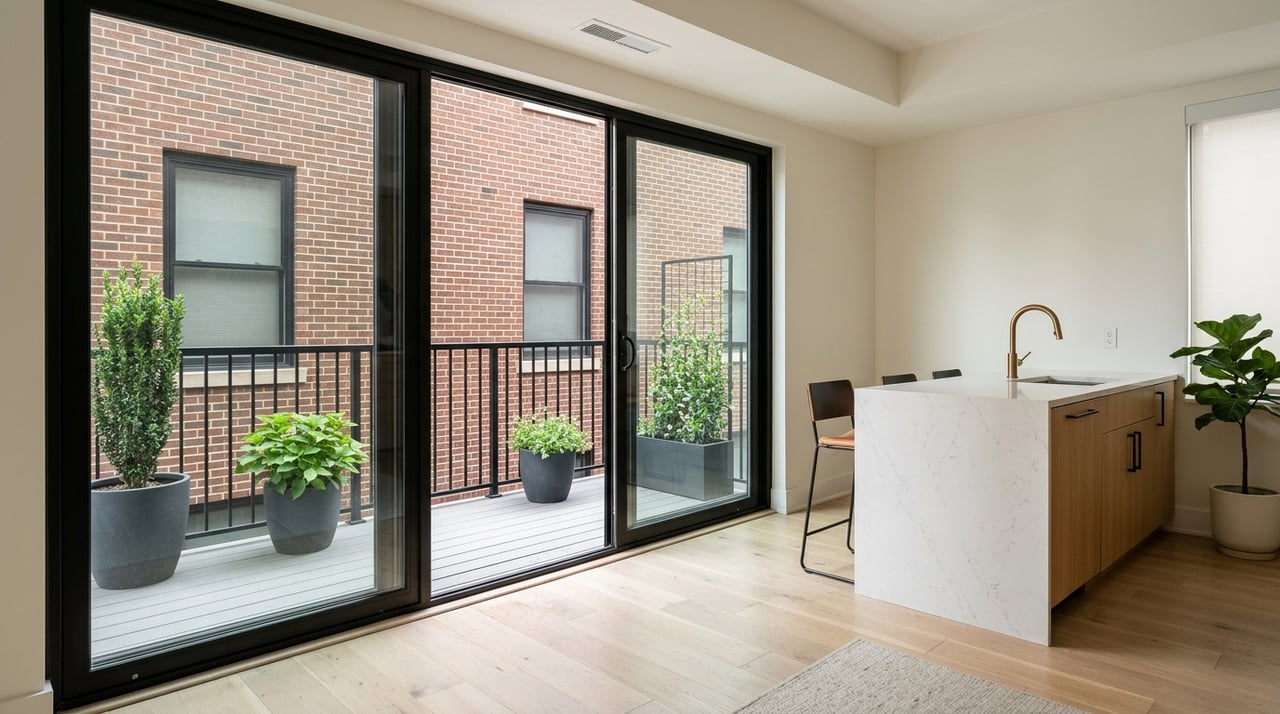
South End is the most urban and vertical option in this comparison. Its identity is shaped less by one dominant historic housing style and more by mixed-use growth, rail access, and a strong day-to-night street presence.
This usually translates into a more apartment- and townhome-heavy environment. If you picture stepping out for coffee, walking the trail, meeting friends for dinner, and relying on transit more often, South End supports that kind of routine.
Getting Around Each Neighborhood
Wesley Heights Mobility
Wesley Heights benefits from west side transit connections through the CityLYNX Gold Line streetcar. According to CATS, the line is 4 miles long with 17 stops and connects the Historic West End through Center City to Elizabeth, including a Wesley Heights stop.
The neighborhood also connects to outdoor routes that support everyday movement. A city council packet notes that the Wesley Heights Greenway links to Stewart Creek Greenway and serves Wesley Heights, Seversville, and Third Ward. If you want options beyond driving, that mix of streetcar and greenway access is meaningful.
South End Mobility
South End’s mobility story centers on the Blue Line and Rail Trail. CATS says the Blue Line helped drive major growth in the area, and the agency is now building a new South End Station between the East/West and New Bern stations.
There is one short-term factor to keep in mind. As of late spring 2026, parts of the Rail Trail are closed from April through July 2026 due to station work, with detours using Hawkins Street, Dunavant Street, and South Boulevard. The new station is expected to open in 2028, so South End remains highly connected, but some routes are temporarily disrupted.
What Daily Life Feels Like
Wesley Heights Has a More Community-Centered Rhythm
Life around Wesley Heights often feels tied to the broader Historic West End network. Public sources describe nearby Biddleville, Seversville, and Wesley Heights as part of a connected community fabric, with neighborhood collaboration and local engagement playing a visible role.
That matters if you want a place that feels more rooted than fast-moving. The west side neighborhoods nearby are often presented not as isolated lifestyle pockets, but as an interconnected set of communities with shared history and civic involvement.
South End Has a More Spontaneous Pace
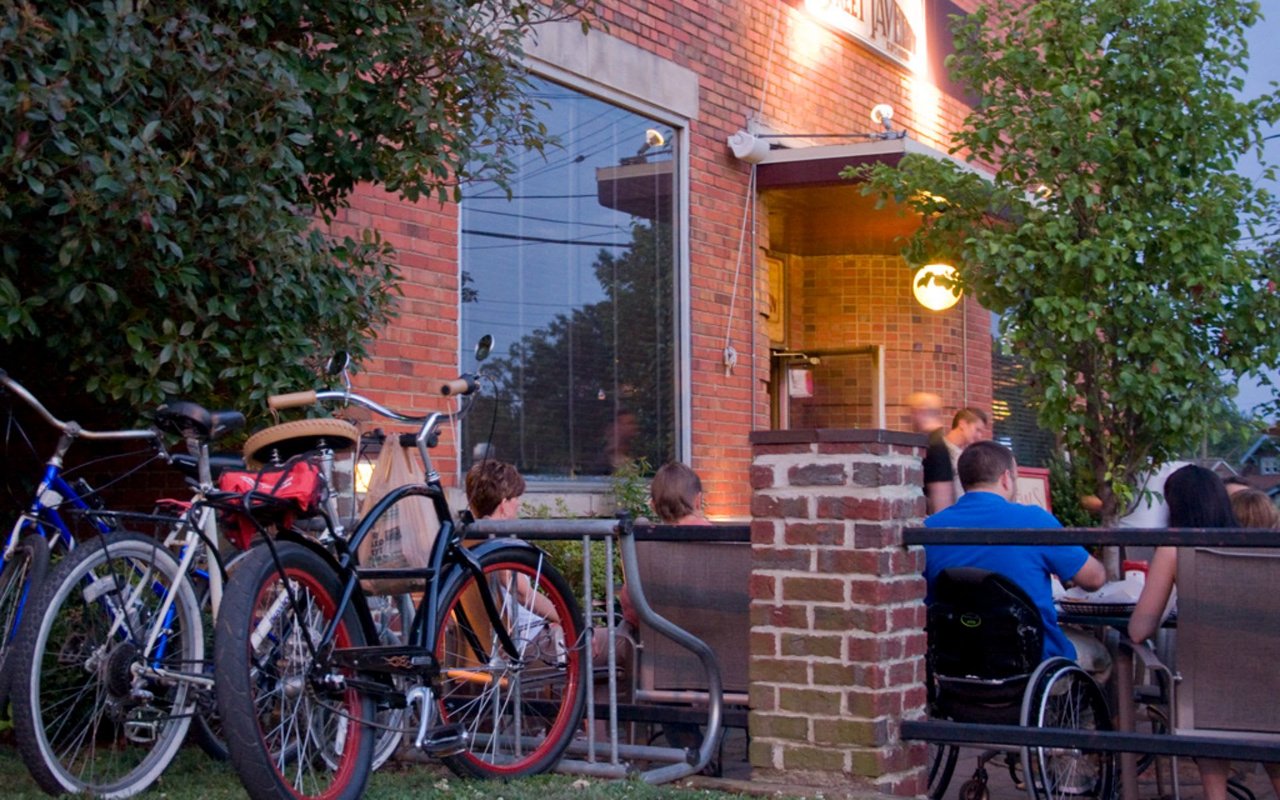
South End daily life is often shaped by what is immediately outside your door. The city’s description of Rail Trail use paints a clear picture: people use it to commute, exercise, walk dogs, eat, drink, and shop.
That creates a more spontaneous, convenience-driven lifestyle. You may find it easier to build your week around walking to plans rather than planning around driving. If that sounds energizing, South End may suit you well.
Which Buyers Often Prefer Wesley Heights
Wesley Heights is often the better fit if you are looking for:
- A strong bungalow-and-tree-canopy neighborhood identity
- Historic character with architectural consistency
- Greenway and streetcar access without the intensity of South End
- A more residential feel near Center City
- The added protection of historic-district review
This neighborhood can be especially appealing if design and setting matter as much to you as convenience. You may prefer a home that feels tied to Charlotte’s older built fabric rather than its newest phase of urban growth.
Which Buyers Often Prefer South End
South End is often the stronger match if you want:
- A walk-everywhere lifestyle
- Direct connection to the Rail Trail and Blue Line corridor
- A denser, more urban environment
- Easy access to dining, retail, and everyday activity
- A home base that feels active throughout the day
If you want your neighborhood to do a lot of the heavy lifting for your social life, commute, and recreation, South End delivers a compelling option.
One Important Tradeoff to Consider
The biggest practical tradeoff in this comparison is not charm versus convenience. It is structure versus flexibility.
In Wesley Heights, exterior work requires Historic District Commission approval before construction begins. That can help preserve the look and feel of the neighborhood, but it also adds a layer of review for renovations and updates. In South End, buyers generally will not encounter that same local historic-district process.
A Helpful Middle Ground Nearby
If you like pieces of both lifestyles, Dilworth is often the nearby compromise. City historic district materials describe it as Charlotte’s first suburb, with historic homes, curving streets, and access to commercial uses along East Boulevard.
The area sits close to the South End and Blue Line corridor, but its internal feel is more residential. For some buyers, that blend of historic character and easier access to restaurants, errands, and transit can be a useful reference point when deciding between Wesley Heights and South End.
How to Decide With Confidence
If you are still torn, ask yourself a few simple questions:
- Do you want your block to feel quieter and more residential, or more active and urban?
- Do you picture yourself in a bungalow-scale historic setting, or in a denser rail-and-trail environment?
- Is preserving neighborhood character through design review a benefit to you, or a limitation?
- Do you want your daily routine to center on neighborhood connection, or on walkable convenience?
Neither choice is universally better. The right fit depends on how you want to live, move, and spend your time in Charlotte.
If you want thoughtful guidance on Wesley Heights, South End, or another Charlotte neighborhood that better matches your priorities, Lana Laws can help you compare options with a local, design-minded perspective.
FAQs
What is the main lifestyle difference between Wesley Heights and South End?
- Wesley Heights generally offers a more historic, residential, and community-centered feel, while South End is more urban, trail-oriented, and built around walkability, dining, and transit.
Is Wesley Heights a historic district in Charlotte?
- Yes. Wesley Heights is identified by the City of Charlotte as a local historic district, which means exterior changes require Historic District Commission review and a Certificate of Appropriateness before work begins.
Is South End more walkable than Wesley Heights?
- South End is more strongly defined by walkability through the Rail Trail and Blue Line corridor, while Wesley Heights offers mobility through the Gold Line streetcar and greenway connections in a more residential setting.
What transit serves Wesley Heights in Charlotte?
- Wesley Heights is served by the CityLYNX Gold Line streetcar, which CATS says runs 4 miles with 17 stops connecting the Historic West End through Center City to Elizabeth.
Are there construction impacts in South End right now?
- Yes. As of late spring 2026, CATS says parts of the Rail Trail are closed from April through July 2026 during the South End Station project, with detours in place and a target station opening in 2028.
Who is Wesley Heights usually best for?
- Wesley Heights is often a strong fit for buyers who want historic character, bungalow-style homes, tree-lined streets, greenway access, and a more residential neighborhood identity close to Center City.
Who is South End usually best for?
- South End is often best for buyers who want a denser, more active lifestyle with easy access to the Rail Trail, Blue Line transit, restaurants, shops, and everyday movement on foot.