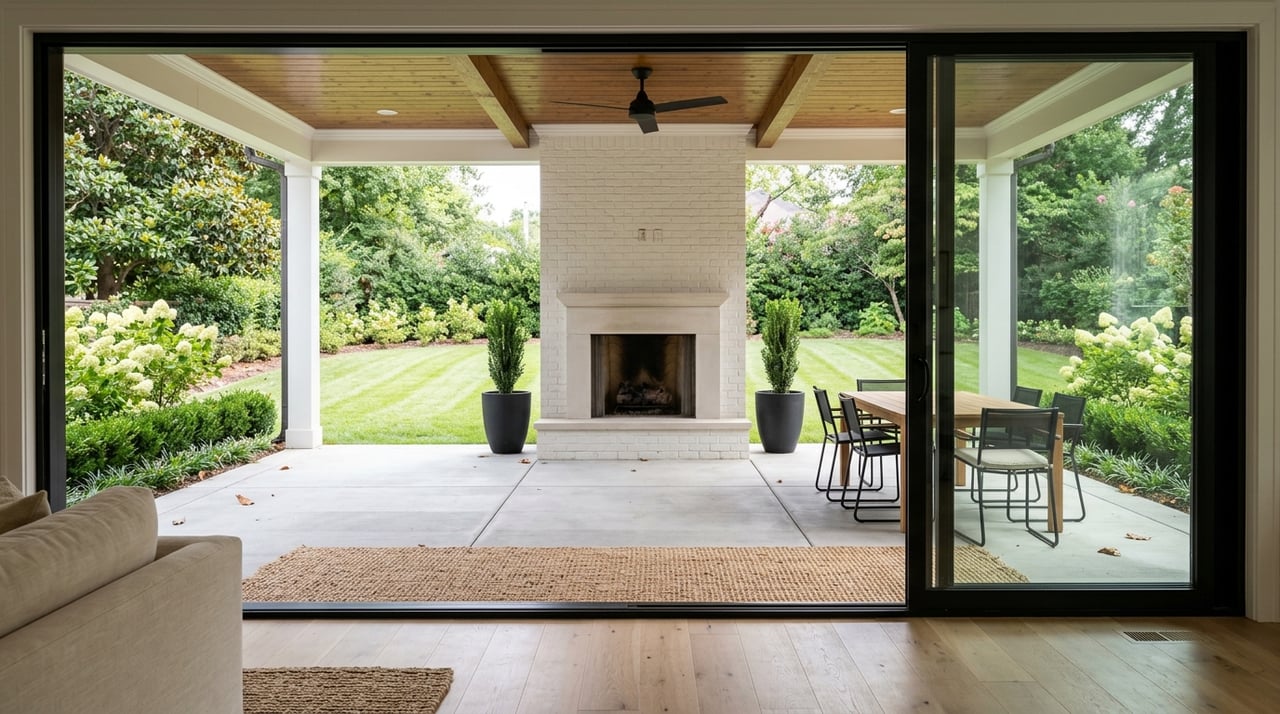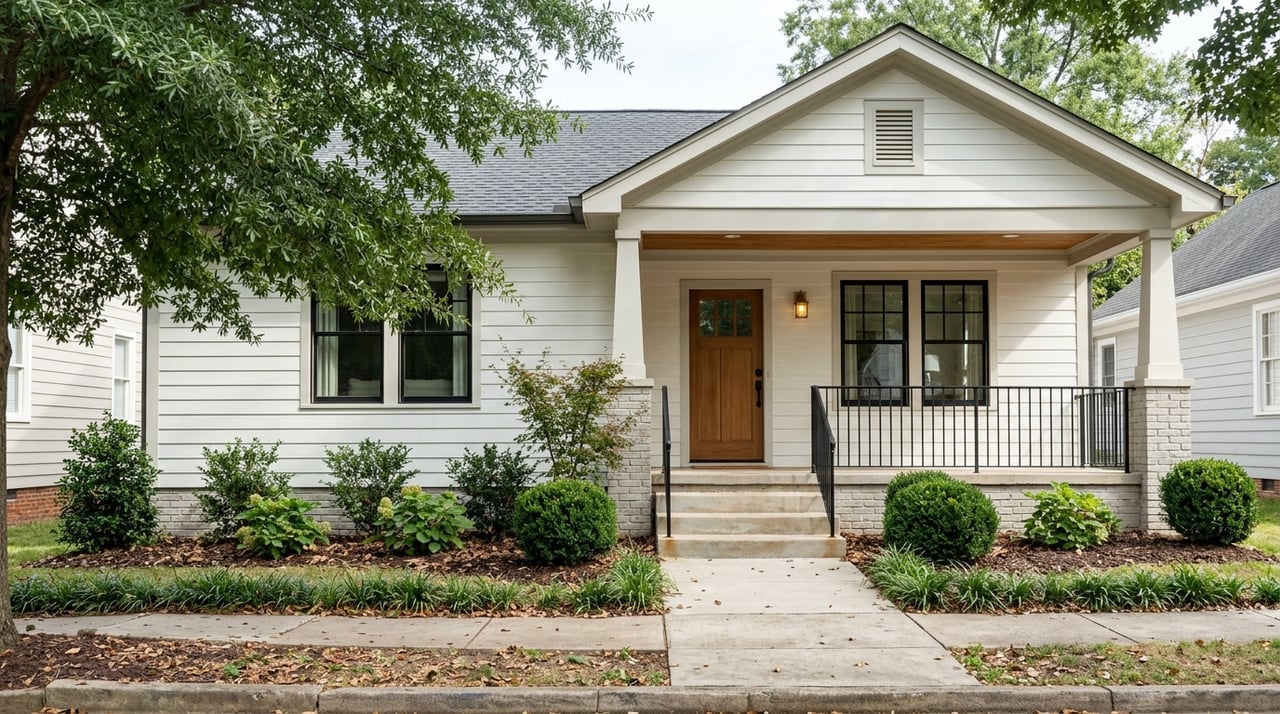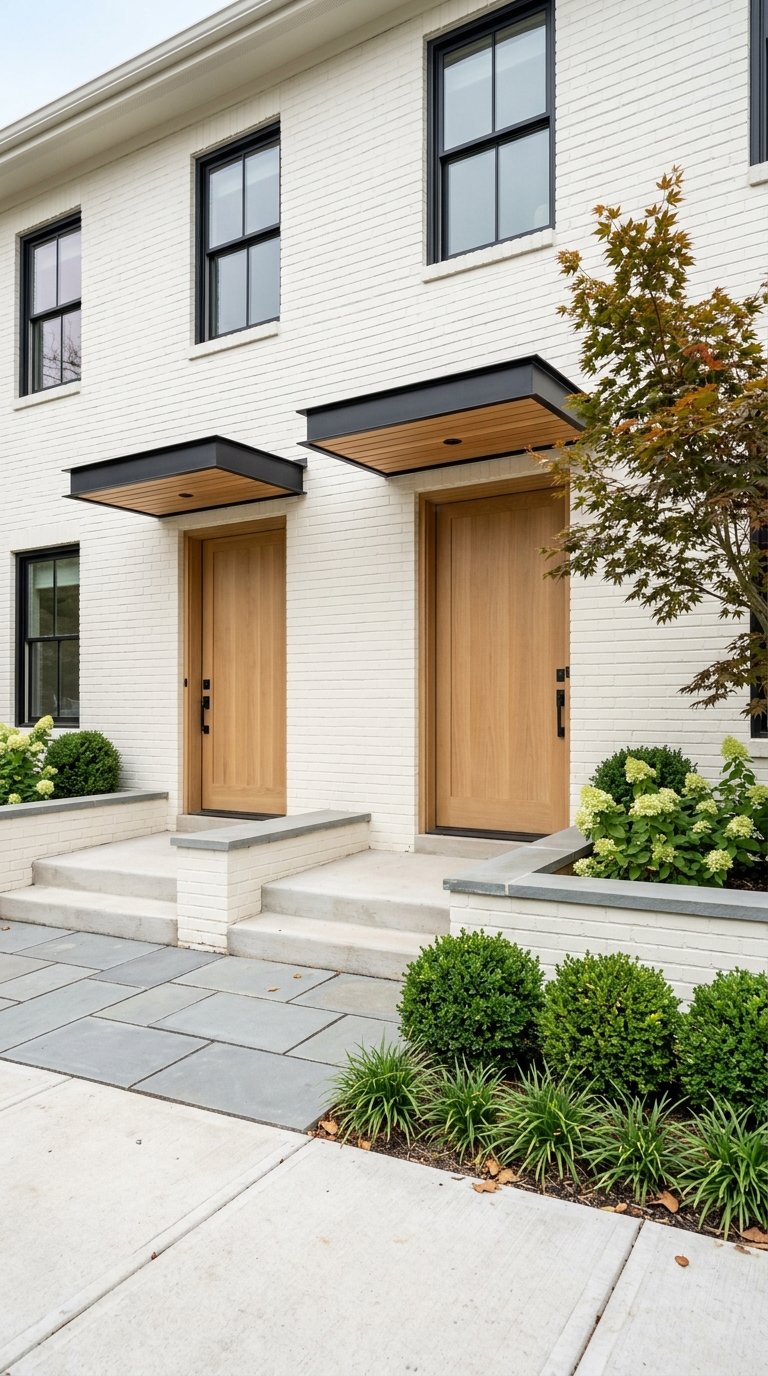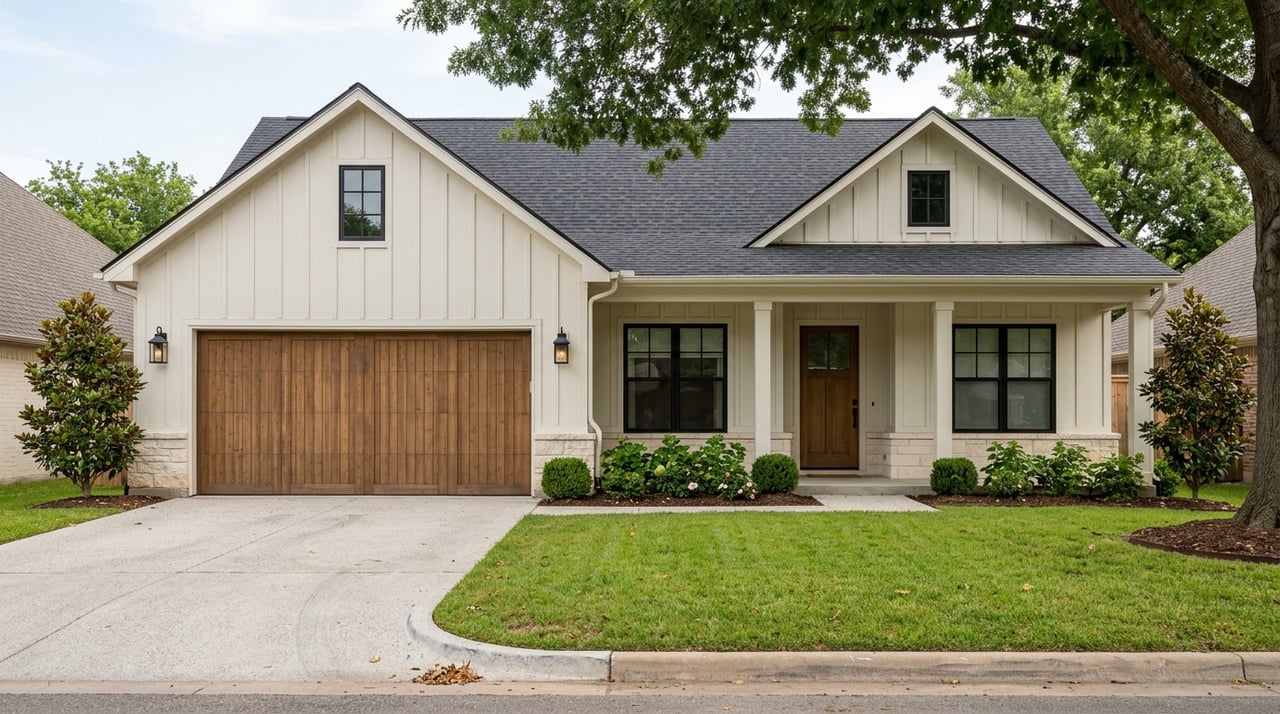
Trying to decide whether to renovate your house or start over with a new build in Cotswold or SouthPark? In these Charlotte neighborhoods, that choice is usually less about outdated finishes and more about what your lot can actually support. If you are weighing resale, construction risk, and neighborhood fit, the right answer often comes from zoning, site conditions, and nearby sales, not just your renovation wish list. Let’s dive in.
Start With the Lot
In Cotswold and SouthPark, the lot often drives the decision more than the house itself. Charlotte’s N1-A zoning rules require at least 10,000 square feet of lot area and 70 feet of width, along with a 27-foot front setback, 5-foot side setbacks, and a 40-foot rear setback. Those numbers shape what can realistically fit on the site.
That matters because a teardown only makes sense if the replacement home, driveway, garage, and outdoor space can all work within those limits. On established blockfaces, Charlotte may allow a new home to sit at or behind the average front setback of the two closest homes. On arterial streets, setbacks are measured from two feet behind the future sidewalk, which can change the usable building area.
Questions to Ask First
Before you commit to either path, it helps to answer a few basic site questions:
- Does the lot have enough width and depth for the kind of house you want to build?
- Will the setbacks leave enough room for a practical footprint?
- Are there mature trees that could limit clearing or driveway placement?
- Is any part of the parcel in or near a floodplain or stormwater-sensitive area?
- Do nearby homes already support a larger replacement house on the block?
If several of those answers create friction, renovation may be the cleaner path. If the lot checks those boxes, teardown becomes much more realistic.
Trees and Floodplain Can Change Everything
Two properties can look similar on paper and still have very different redevelopment potential. In Charlotte, tree preservation requirements apply to trees in the public right-of-way and on private property, and tree canopy rules can affect clearing, grading, and mitigation requirements. That can add cost and reduce design flexibility.
Floodplain conditions can be just as important. If a property is in or touches a FEMA or Community Floodplain, a Floodplain Development Permit is required. In some cases, remodeling or redevelopment is limited by elevation rules and improvement-value standards.
Why Site Constraints Matter
A house that looks like an easy teardown can become far more expensive if tree-save areas or floodplain rules reduce what you can do. The same is true for a renovation that seems simple at first but triggers added review or design limits. That is why early due diligence matters so much in these neighborhoods.
Cotswold: Both Paths Can Work
Cotswold supports both substantial renovations and luxury rebuilds. Zillow puts the average Cotswold home value at $699,531 as of April 30, 2026, compared with $393,099 for Charlotte overall. That pricing gap shows why owners often explore bigger capital decisions here.
Recent sales also show a wide range of outcomes. Redfin reported 8 homes sold in the past month in Cotswold, with examples ranging from a renovated ranch at 1118 Crestbrook Drive that sold for $1,455,083 to a larger home on Coventry Road that sold for $4.5 million. In practical terms, that means the neighborhood can support a polished renovation or a higher-end rebuild, depending on the site and the block.
What Cotswold Suggests
In Cotswold, larger lots often create the clearest teardown opportunities. The sale at 1118 Crestbrook Drive is a useful reminder that a well-executed renovation on a 0.67-acre lot can still command a strong result. If your home sits on a generous parcel and your block already includes larger, newer homes, rebuilding may pencil out more easily.
If your lot is less flexible, a disciplined renovation may be the better play. That is especially true if the existing structure already has good placement on the lot or if the home can be updated without fighting setbacks, tree issues, or stormwater concerns.
SouthPark: Stronger Redevelopment Pressure
SouthPark shows even more redevelopment pressure than Cotswold. Zillow puts the average home value at $869,766, while Redfin shows a median sale price of $675,000 and 154 homes sold in the past month. The City also frames SouthPark as a mixed-use activity center focused on improved walking, biking, transit access, greenspace, and a park-once environment.
That broader context helps explain why SouthPark supports a wide mix of housing product. Recent sales include a renovated Barclay Downs home on a 0.55-acre lot at $1.135 million, a townhome at $1.46 million, and a new-construction home at $1.5 million. There is demand for updated older homes, attached product, and new single-family construction.
What SouthPark Suggests
If your property is in SouthPark, teardown can be easier to justify when the block already includes newer or larger homes and the lot can absorb the replacement product. Redfin also shows a deeper attached-home market here, with 126 condos and 130 townhouses listed for sale. That broader mix signals a market that is comfortable with redevelopment and varied housing types.
Still, the same basic rule applies. If site constraints are manageable and the replacement product fits the block, teardown may be rational. If the lot is tight or complicated, a renovation can offer a more controlled path with less entitlement and construction risk.
Permits Are Not One-Step Projects
Whether you renovate or tear down, expect more than one approval process. Mecklenburg County requires residential permits for one- and two-family dwellings and townhomes when work involves new construction, reconstruction, alteration, repair, relocation, removal, or demolition. At the same time, the City of Charlotte handles zoning review for single-family homes, additions, detached accessory structures, duplex and duet dwellings, and ADUs.
That means many projects move on parallel county and city tracks. If you are planning a major project, timeline and paperwork should be part of your budget conversation from the start.
Demolition Has Its Own Checklist
A teardown is not just a call to a demolition crew. Mecklenburg County’s demolition process includes a residential demolition checklist, cover sheet, and asbestos and NESHAP materials. Owners who skip that planning step can underestimate both timing and cost.
For many homeowners, this is where renovation starts to look more attractive. Even if a renovation has surprises, demolition and rebuild work usually comes with a different level of administrative complexity.
A Practical Rule of Thumb
If the parcel is large enough, the block already supports bigger homes, and tree or floodplain issues are manageable, teardown can make sense in parts of Cotswold and SouthPark. Those conditions tend to create the clearest path to a replacement home that feels natural in the streetscape and competitive in the market.
If the lot is tighter, the site has more physical constraints, or the current house is already close to neighborhood value, renovation is often the lower-risk option. It can preserve character, reduce entitlement complexity, and keep your budget more closely tied to likely resale.
Signs Renovation May Be Better
Renovation may be the stronger option when:
- The existing footprint already sits well on the lot
- Setbacks limit what a new build could achieve
- Mature trees would make a teardown more expensive
- Floodplain rules could complicate redevelopment
- Recent nearby sales support updated homes, not just new ones
Signs Teardown May Be Better
Teardown may be worth closer study when:
- The lot is large and wide enough for a better replacement house
- The surrounding block already includes newer, larger homes
- The current home is functionally obsolete for the site
- Tree and drainage conditions are manageable
- Recent sales show strong demand for new or highly upgraded product
The Best Decision Is Hyperlocal
In both Cotswold and SouthPark, there is no one-size-fits-all answer. Two homes on the same street can lead to completely different conclusions based on lot width, setbacks, trees, floodplain conditions, and what buyers are already rewarding nearby. That is why the smartest first step is usually not choosing finishes or interviewing builders. It is understanding the site, the block, and the likely market outcome.
If you are weighing whether to renovate or rebuild in Cotswold or SouthPark, a neighborhood-specific review can help you compare the real opportunity on your lot. When you are ready to talk through the numbers, the block context, and the best next move, start the conversation with Lana Laws.
FAQs
Should you renovate or tear down a home in Cotswold?
- In Cotswold, the answer usually depends on lot size, setbacks, tree and floodplain constraints, and whether nearby sales support a larger replacement home or a high-end renovation.
What lot size matters for a teardown in Charlotte N1-A zoning?
- Charlotte’s N1-A rules require at least 10,000 square feet of lot area and 70 feet of width, plus front, side, and rear setbacks that affect what can be built.
Do floodplain rules affect remodeling in SouthPark or Cotswold?
- Yes. If a property is in or touches a FEMA or Community Floodplain, a Floodplain Development Permit is required, and some remodeling or redevelopment may be limited by local regulations.
Do tree rules matter for a teardown in Charlotte?
- Yes. Charlotte’s tree preservation and canopy rules can affect clearing, grading, driveway placement, mitigation, and overall project cost.
Is a permit required for demolition in Mecklenburg County?
- Yes. Mecklenburg County requires permits for demolition and points owners to a residential demolition checklist, cover sheet, and related asbestos and NESHAP materials.
Is SouthPark more redevelopment-friendly than Cotswold?
- SouthPark shows stronger redevelopment pressure based on higher average values, a larger number of recent sales, and a broader mix of attached and new housing product, but each property still needs a lot-by-lot review.