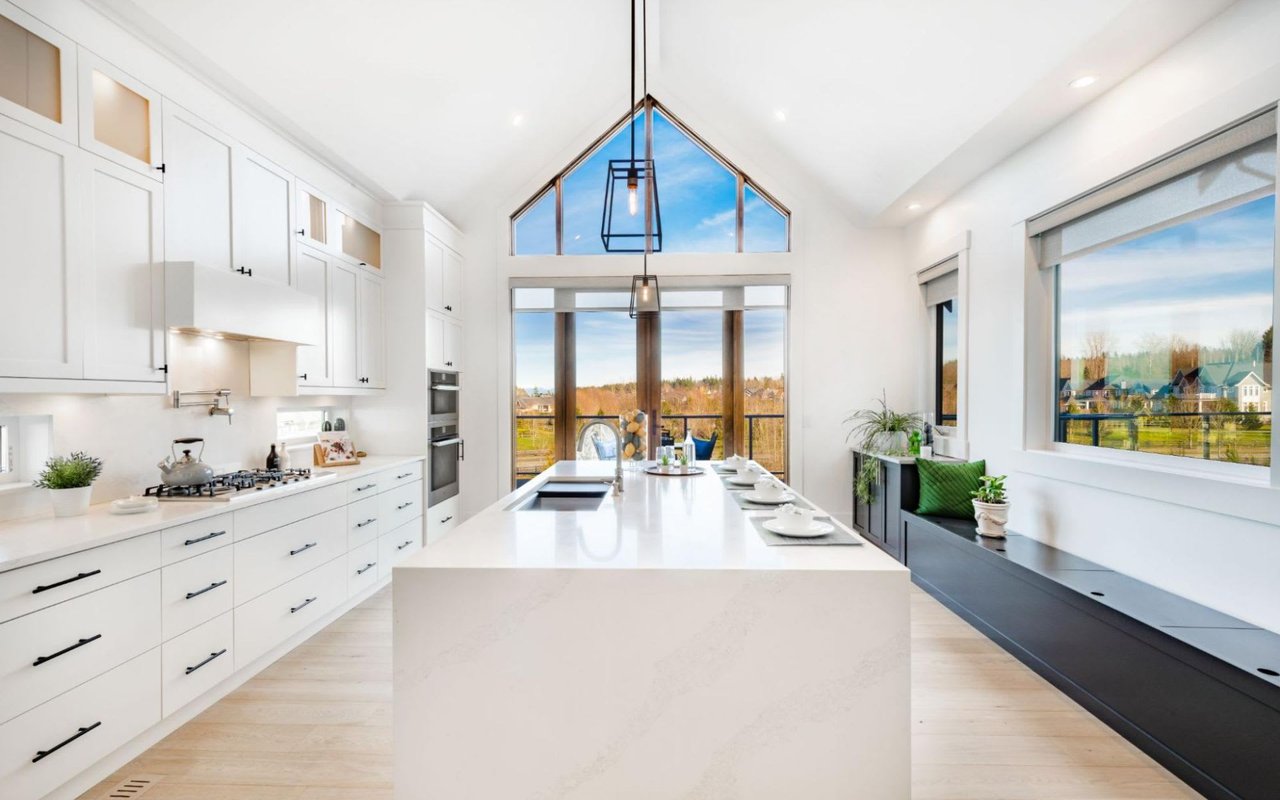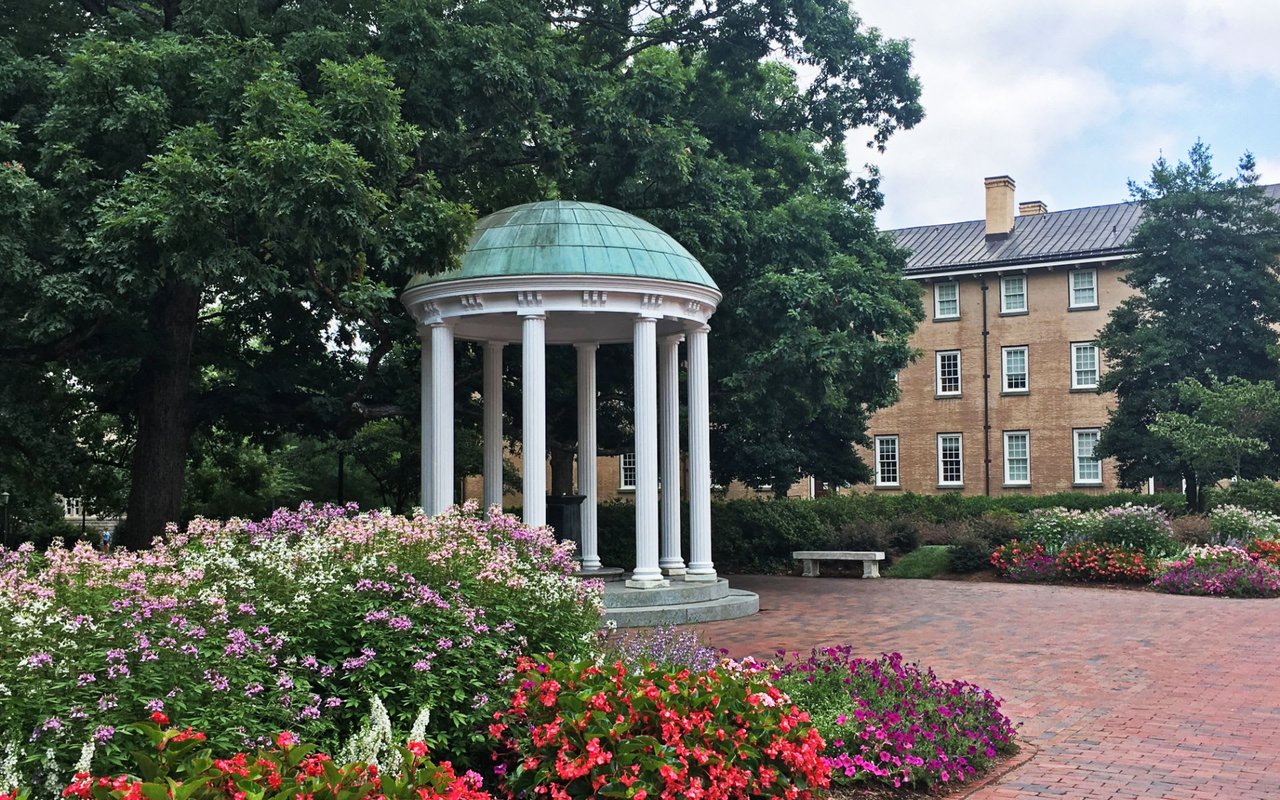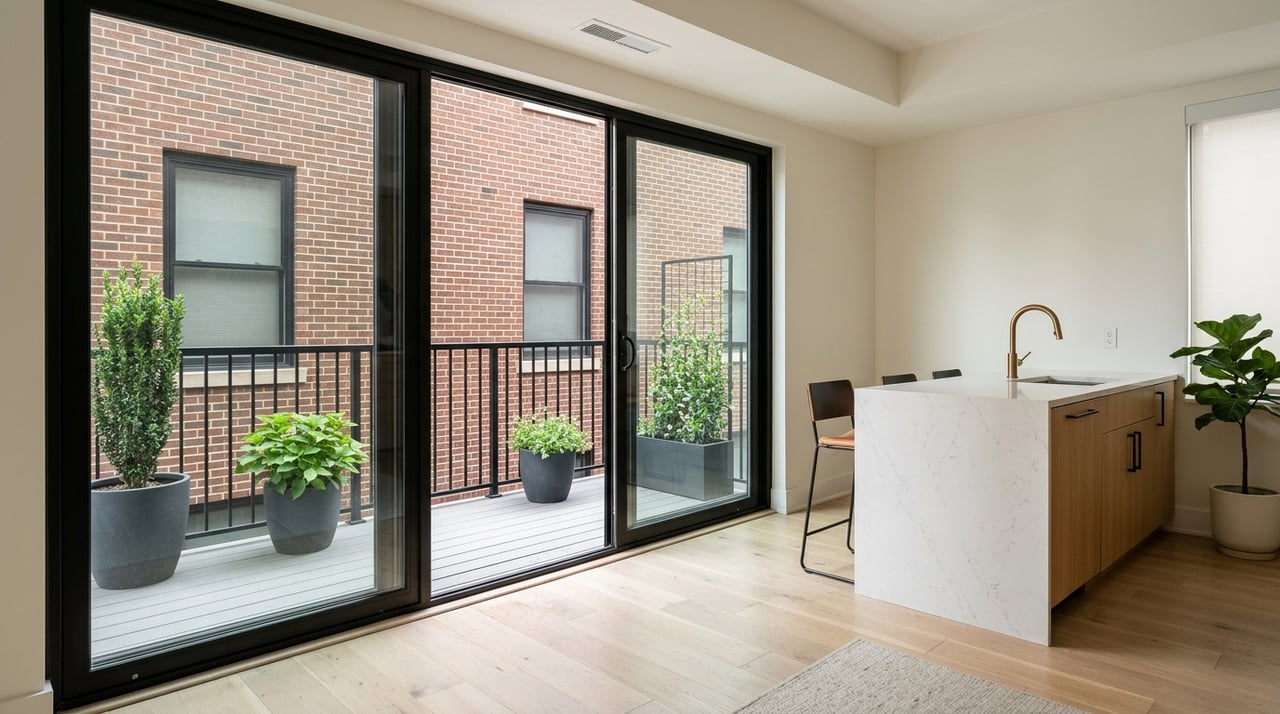
Wondering whether your urban Charlotte life fits better in a Rail Trail condo or a Dilworth bungalow? It is a common fork in the road for buyers who want walkability, character, and a home that matches how they actually live day to day. The good news is that both options can work beautifully, but they come with very different tradeoffs in upkeep, outdoor space, parking, and pace of life. Let’s dive in.
Dilworth bungalow vs Rail Trail condo
If you are choosing between a bungalow in Dilworth or Wilmore and a condo or townhome near the South End Rail Trail, you are really choosing between two urban living styles.
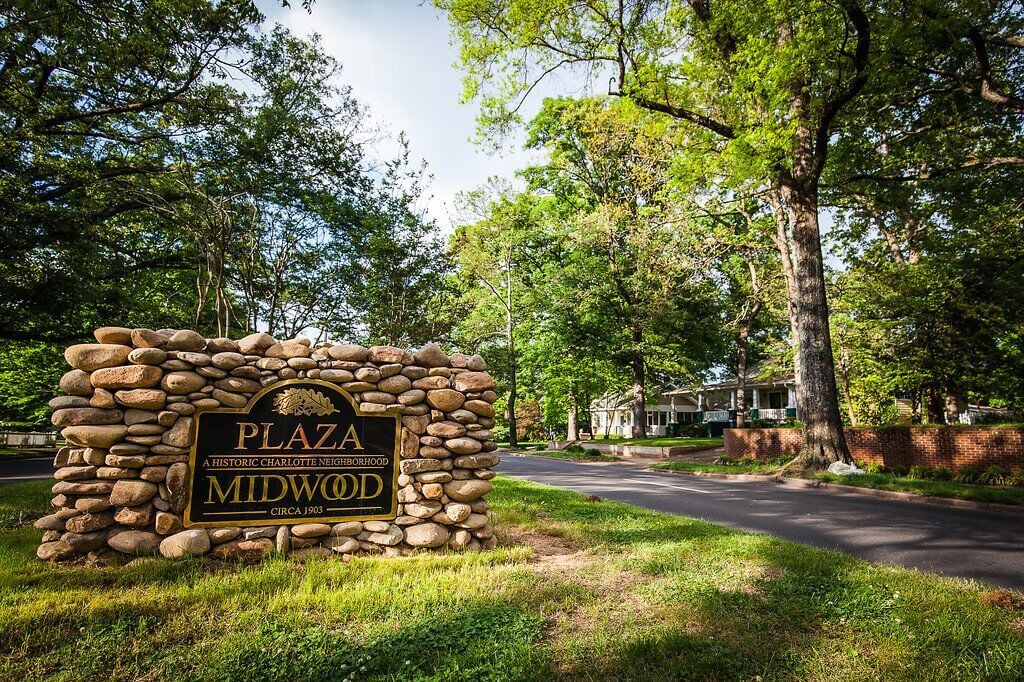
Dilworth and Wilmore are Charlotte local historic districts with roots in the streetcar era. The City of Charlotte notes that Dilworth dates to the 1890s as Charlotte’s first suburb, while Wilmore developed in the early 1900s as a streetcar suburb. South End, by contrast, is the denser Rail Trail corridor, where many newer apartments and townhomes sit close to the trail and its daily activity.
What the home styles feel like
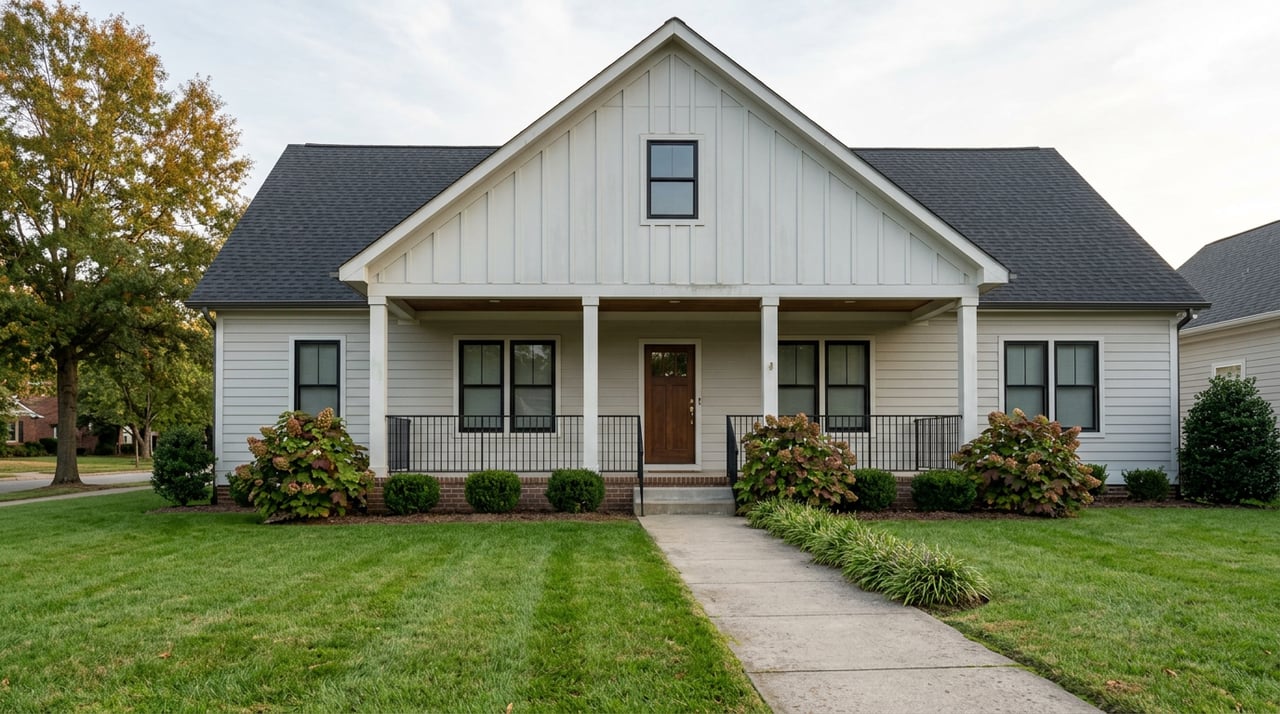
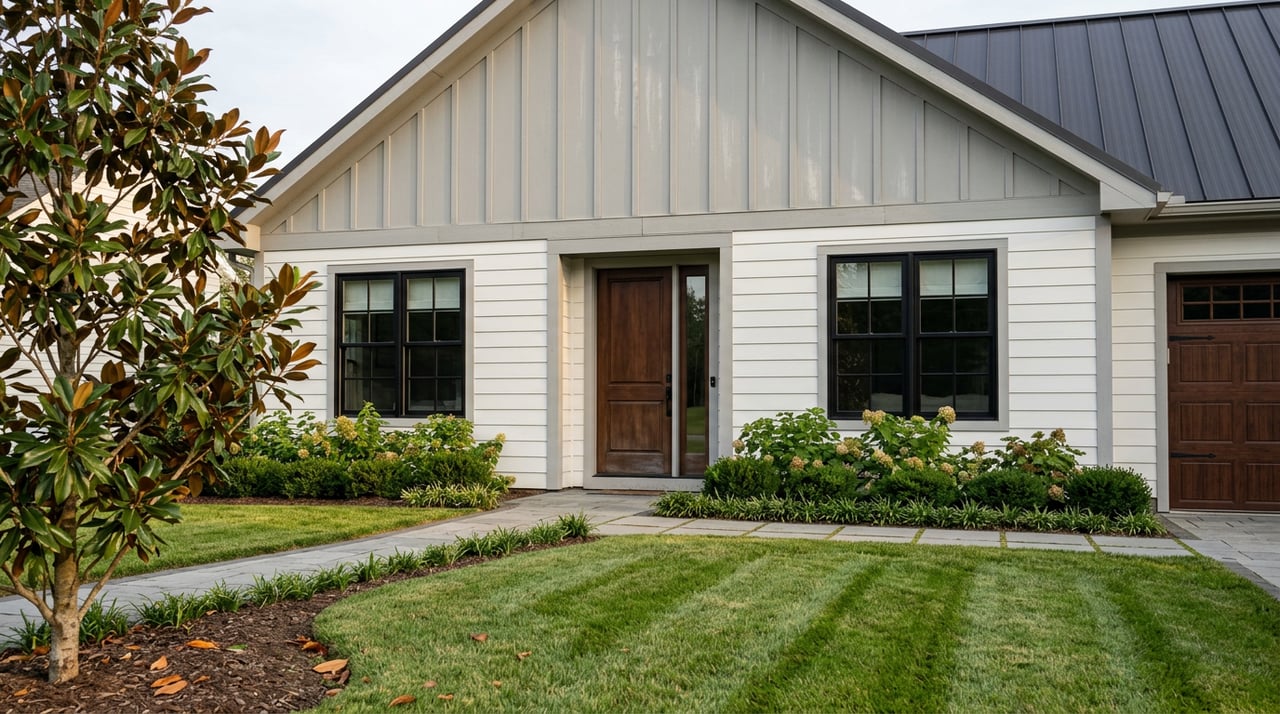
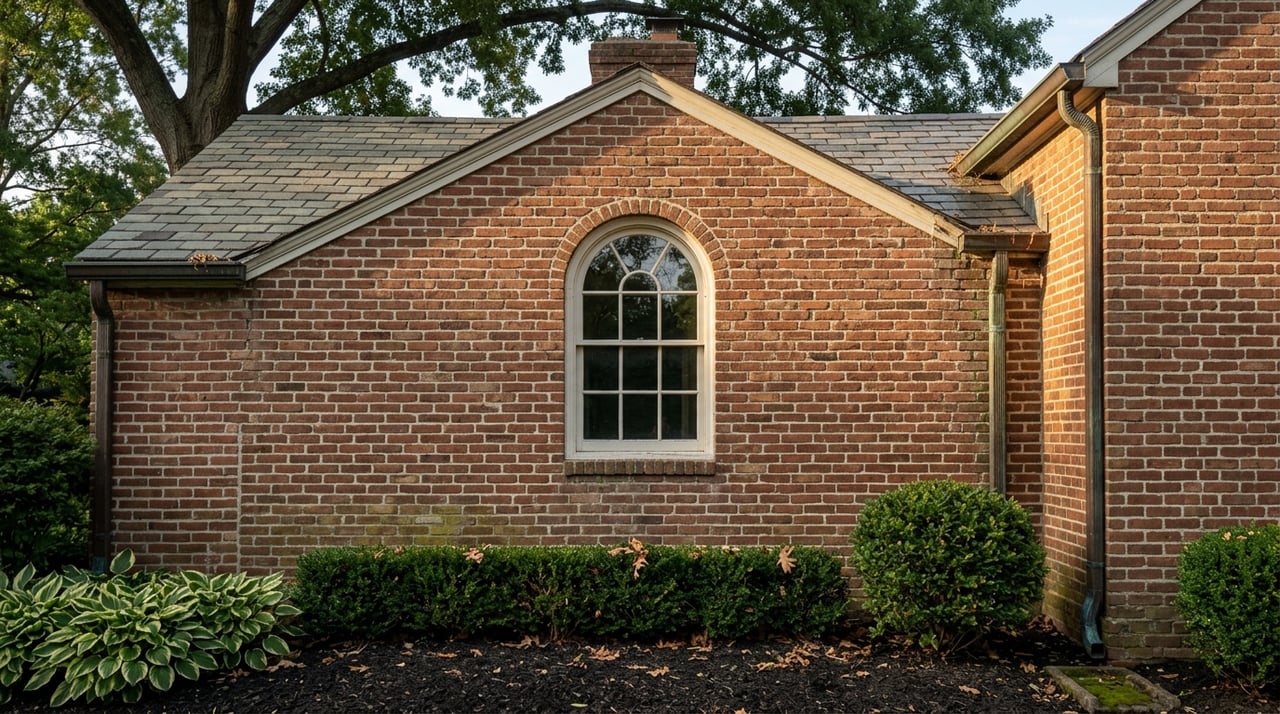
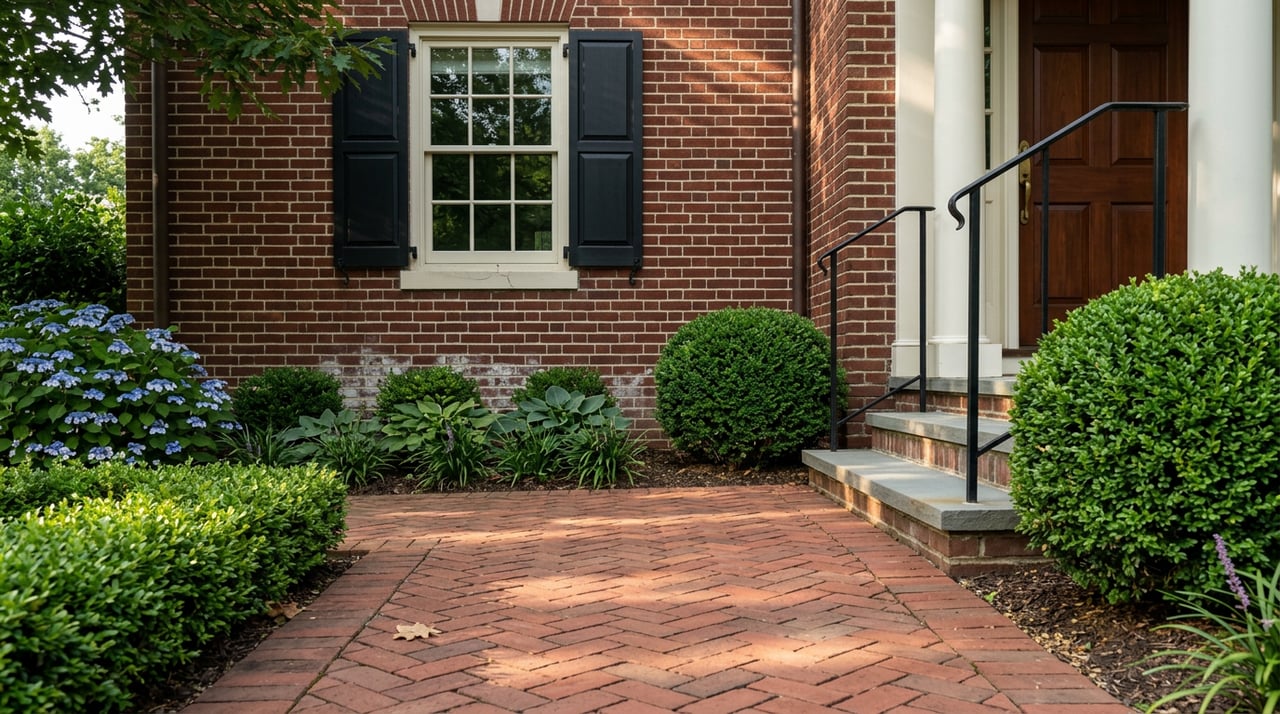
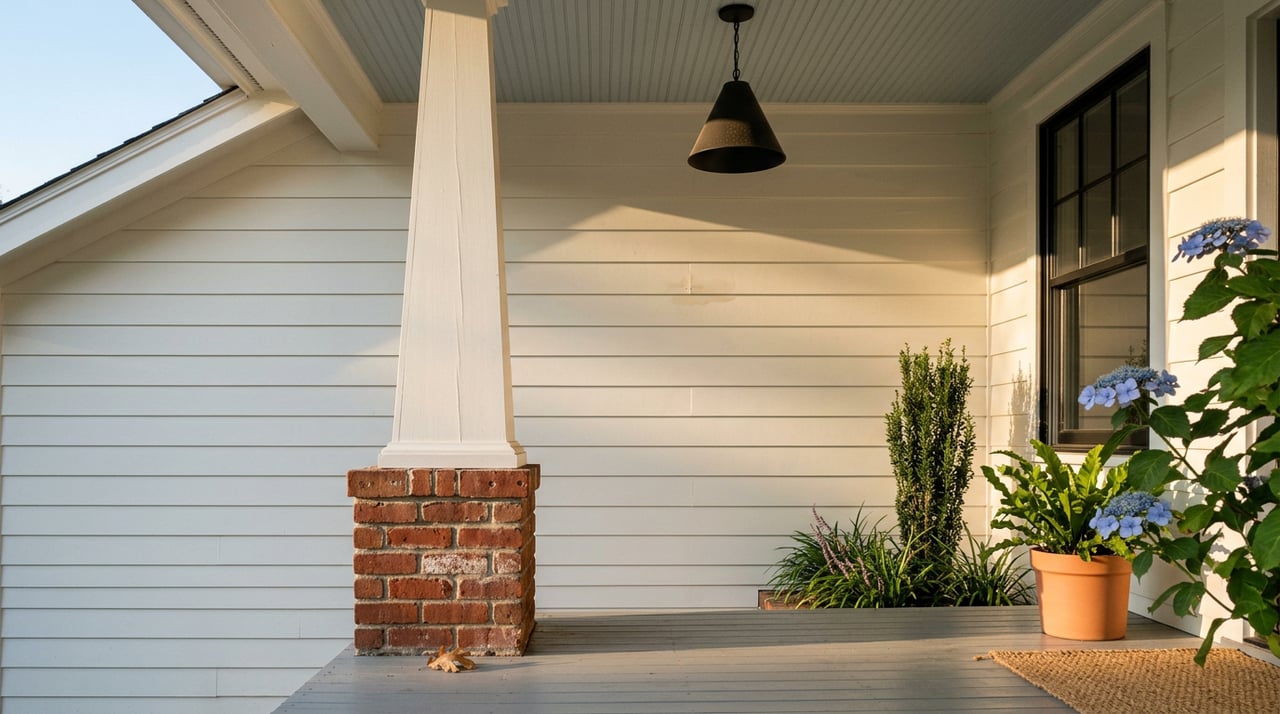
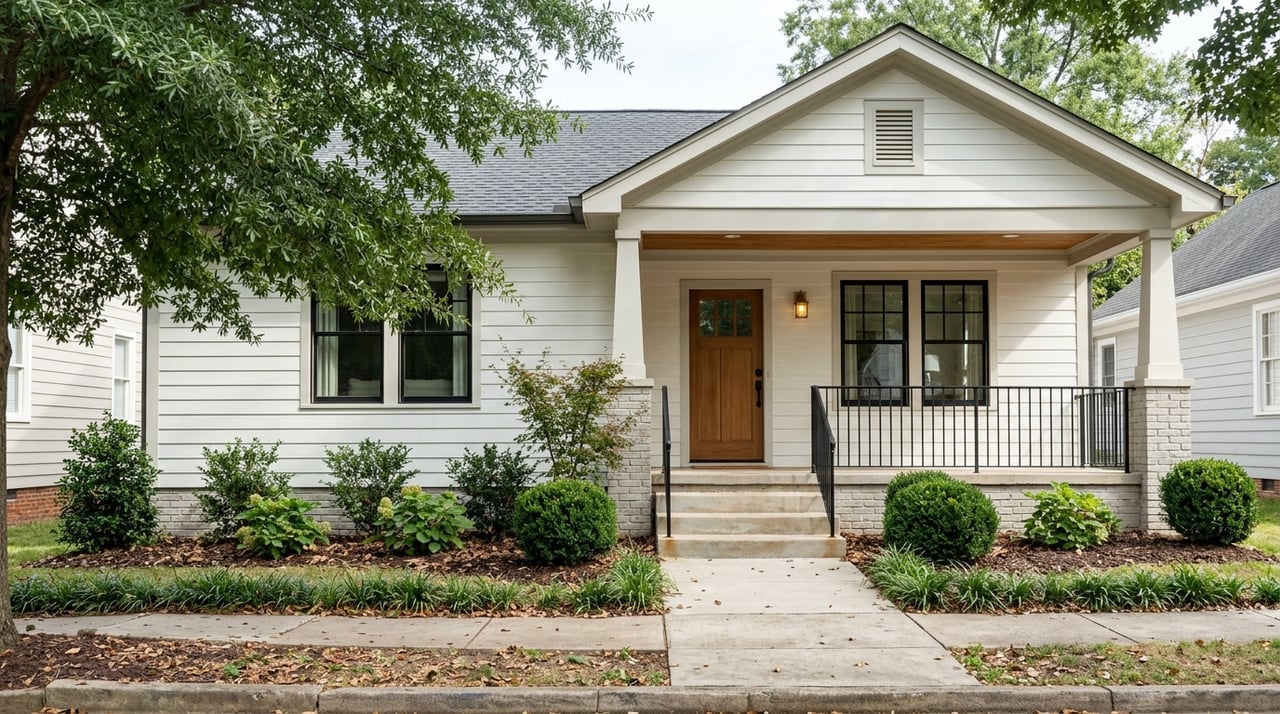
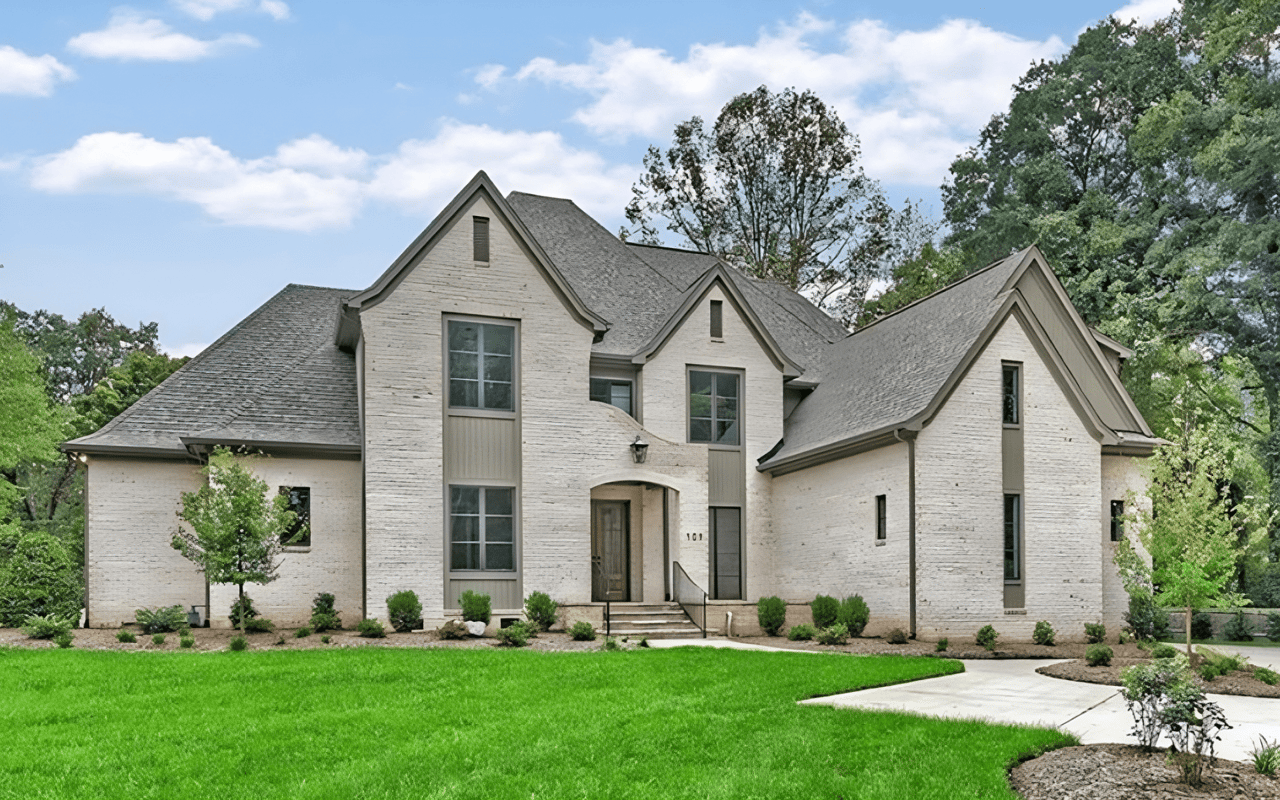
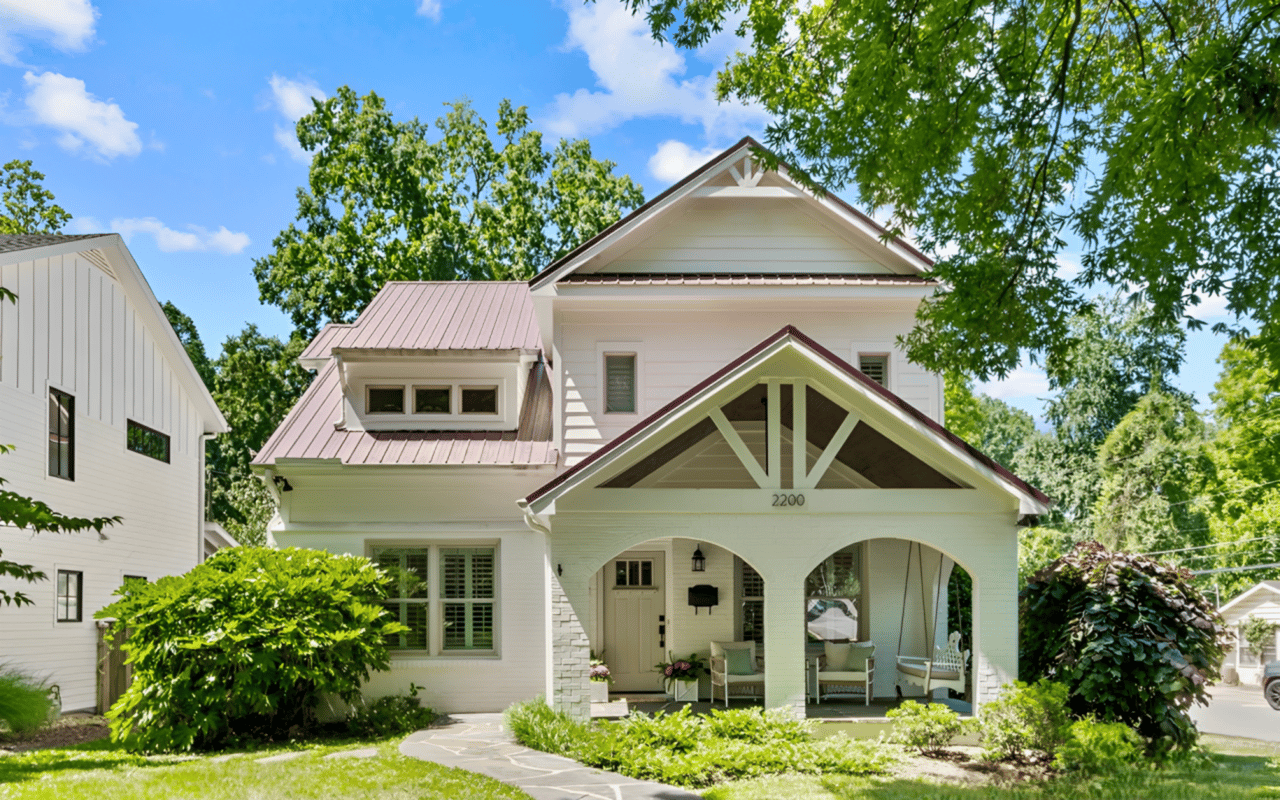
A bungalow in Dilworth or Wilmore usually gives you a more traditional house feel. Charlotte’s historic district standards describe Dilworth as having a mix of larger homes on larger lots and smaller homes on narrower lots, often with mature landscaping and large rear yards. Wilmore is known for smaller-scale bungalows on compact lots, often with full-width front porches and a mostly single-family pattern.
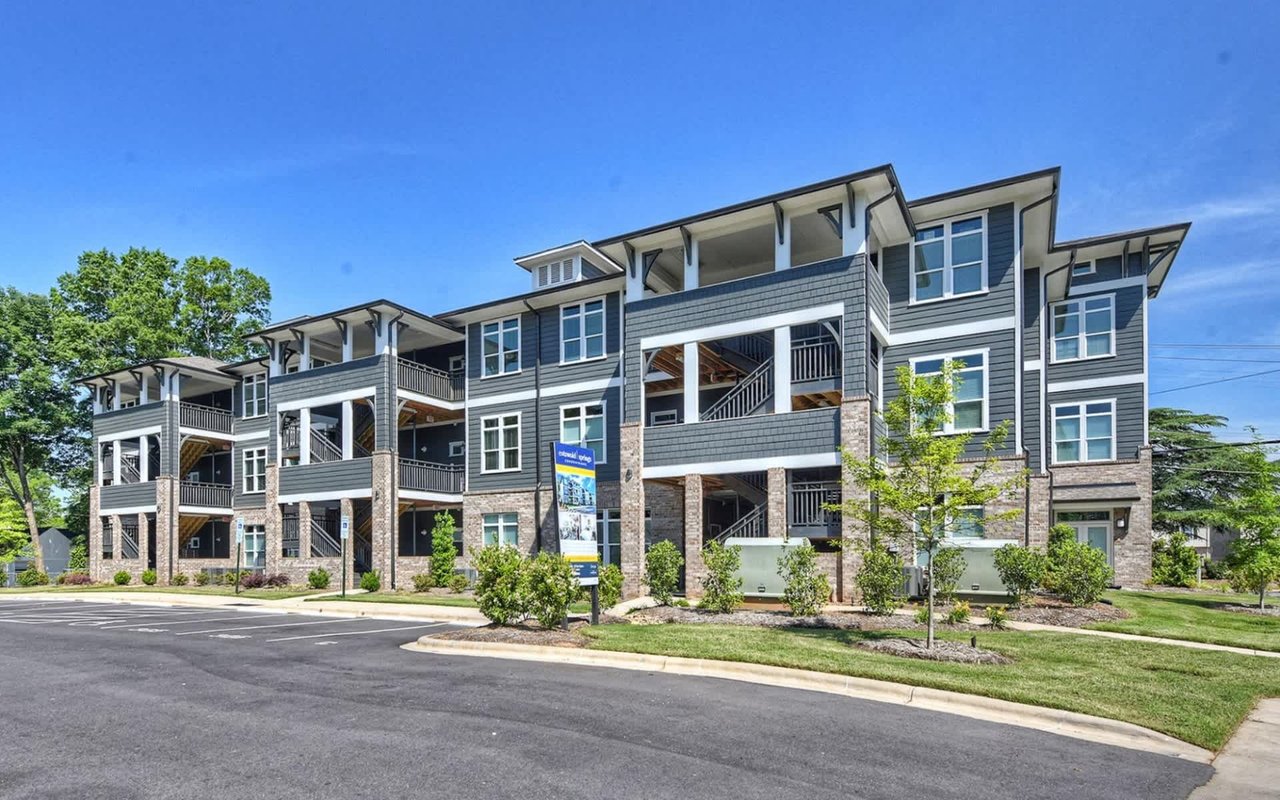
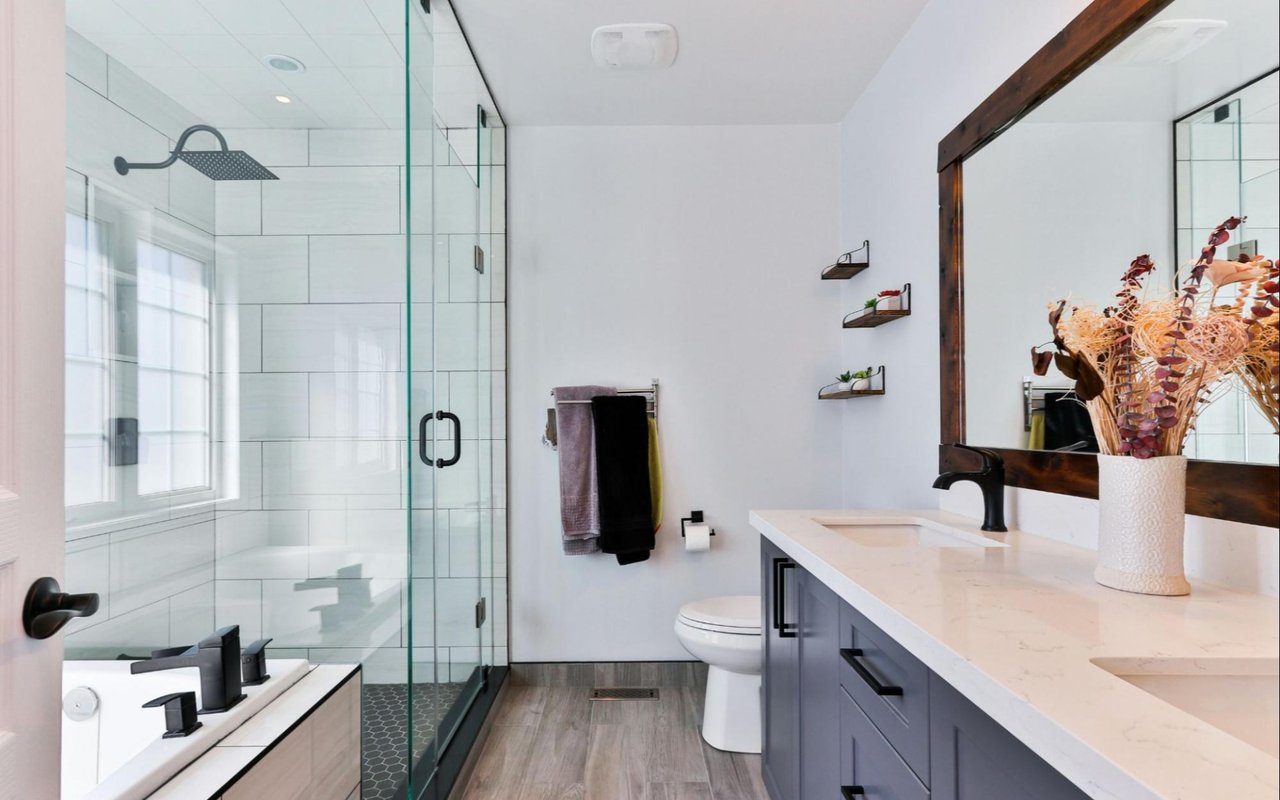
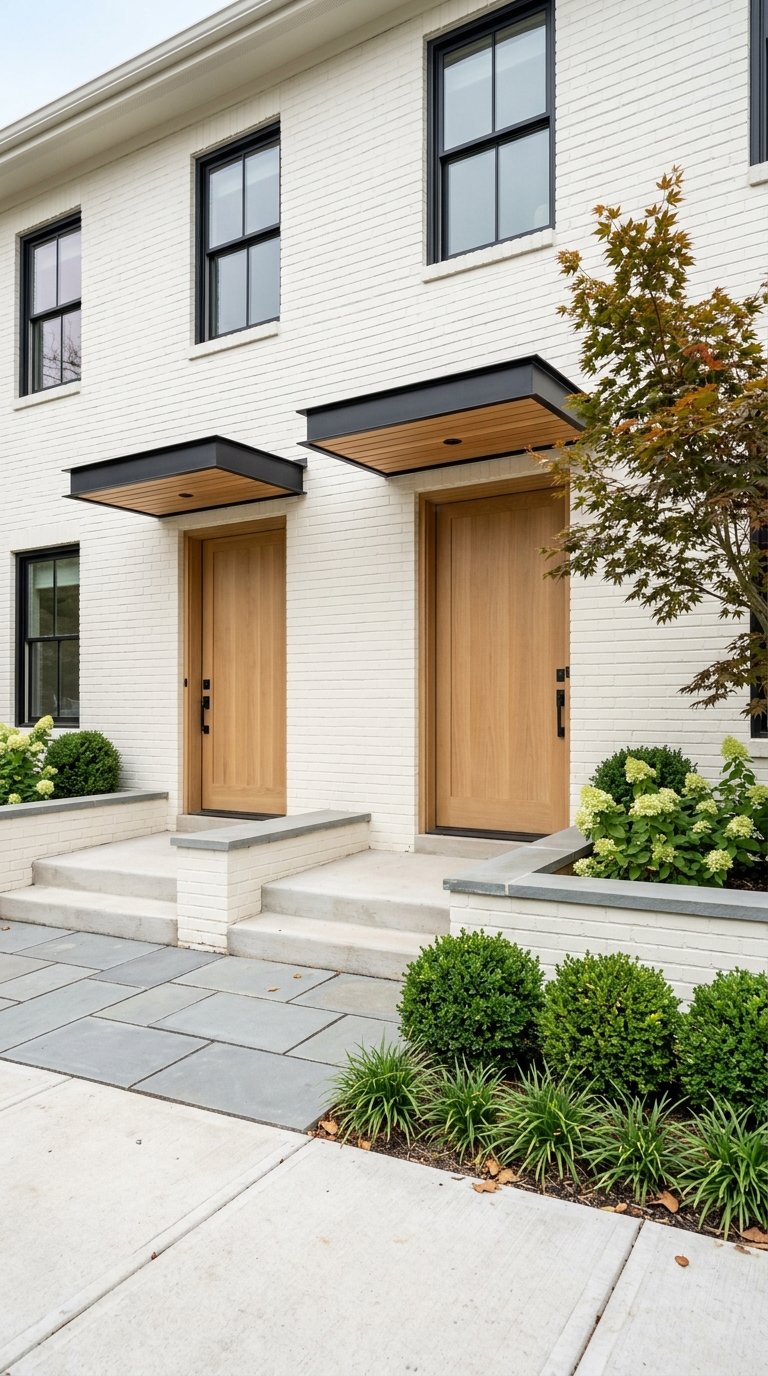
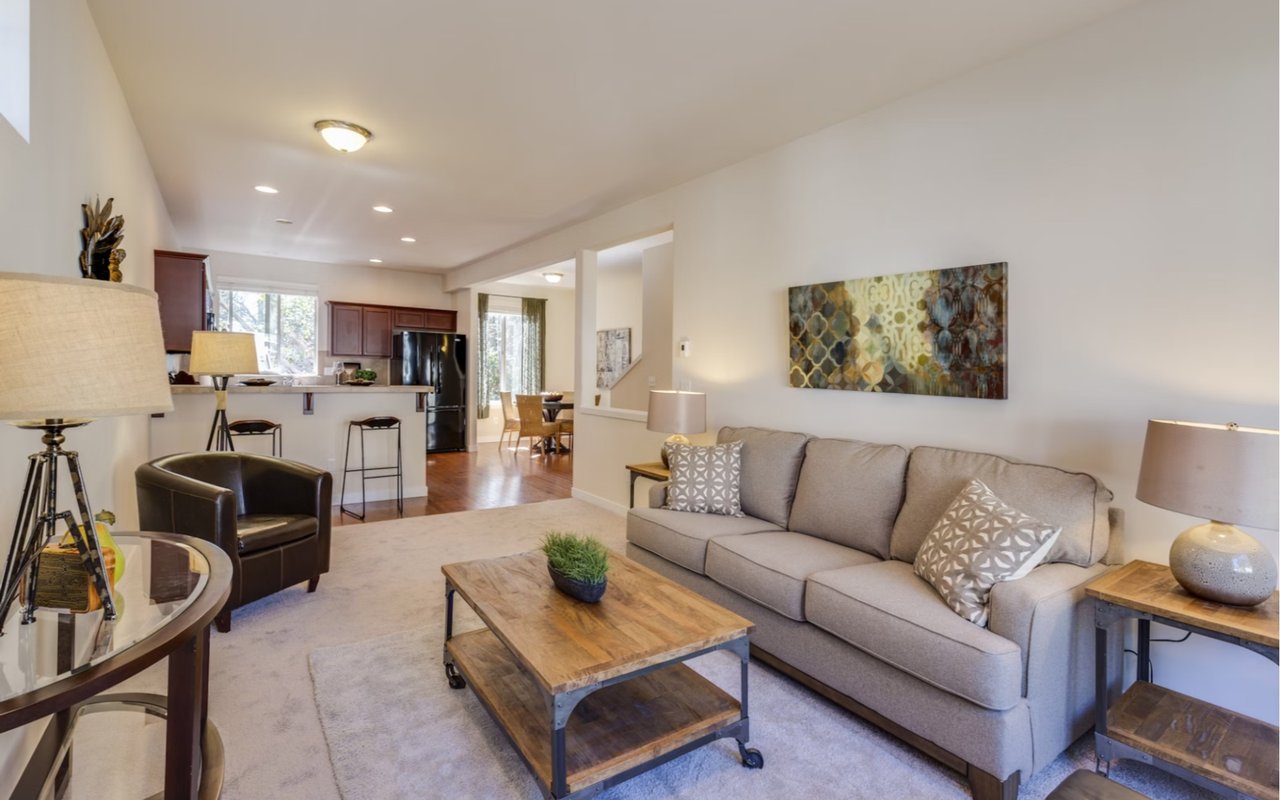
A South End condo or townhome near the Rail Trail usually leans more modern and low-maintenance. You are more likely to find shared building amenities, garage parking, balconies, rooftop terraces, and direct access to shops, restaurants, and the trail itself.
Think about your daily rhythm
Before you compare prices or square footage, think about how you want an average Tuesday to feel.
If you like the idea of stepping onto a front porch, working in a yard, and having a little more separation from the busiest foot traffic, a bungalow may feel like a better fit. If you want to lock the door, hop onto the Rail Trail, and keep exterior maintenance mostly off your plate, condo or townhome living may make more sense.
Choose the pace you want
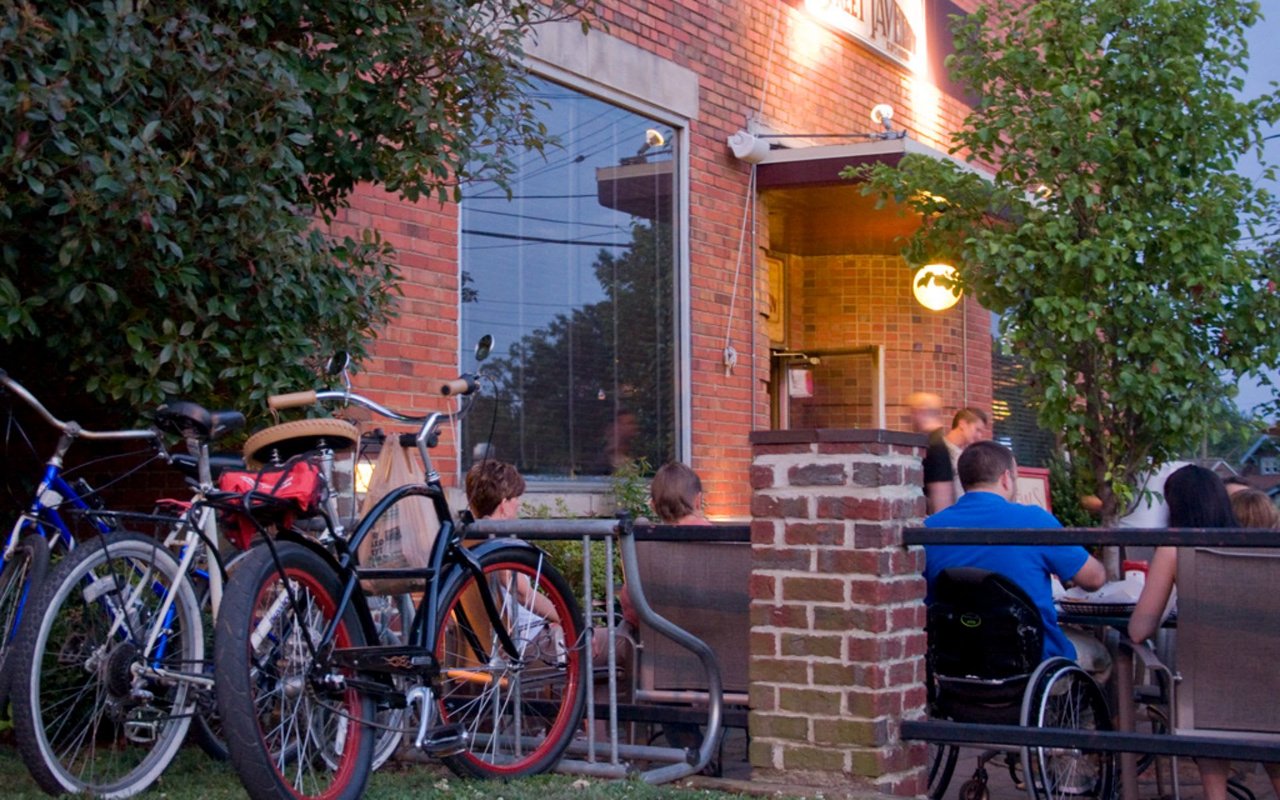
South End is one of Charlotte’s most active urban districts. The City describes the Blue Line Rail Trail as an 11-mile pedestrian and bicycle facility, and South End’s guide describes the Rail Trail as a 3.5-mile linear public park lined with restaurants, public art, and other urban amenities.
That energy is a draw for many buyers, but it also comes with more foot traffic, scooters, nightlife, and ongoing construction activity in parts of the corridor. Dilworth and Wilmore generally feel more residential overall, though busier edge streets like East Boulevard and South Boulevard still carry city activity.
Maintenance is a major divider
One of the biggest practical differences is who handles what.
With a bungalow, more of the home’s care is yours to manage directly. Current listings in Dilworth and Wilmore often call out updates like roofs, HVAC systems, porches, decks, fences, detached garages, and landscaping, which is a good reminder that ownership here is usually more house-driven than amenity-driven.
Historic district rules matter
In Dilworth and Wilmore, maintenance is not just about cost. It is also about process.
Because both are local historic districts, certain exterior changes require Charlotte Historic District Commission review. The City says a Certificate of Appropriateness is required for projects such as new construction, major additions, accessory dwelling units, and repainting previously unpainted brick.
If you love preserving character and are comfortable planning exterior work carefully, that may not feel like a downside. If you want more flexibility to make visible exterior changes without an added review process, that is worth weighing early.
Condo living shifts the workload
A South End condo or townhome often moves much of the exterior upkeep to the association. Recent South End listings show HOA dues ranging roughly from the low $200s to the mid $600s per month, and some dues cover items like water, gas, trash, amenity maintenance, secure parking, association insurance, and on-site management or concierge services.
That convenience can be appealing, especially if you travel often or simply do not want to spend weekends on house projects. At the same time, HOA dues are a real part of your monthly cost, and building expenses can affect resale decisions for future buyers.
Outdoor space looks very different
If outdoor living is high on your list, this is one area where the contrast is easy to see.
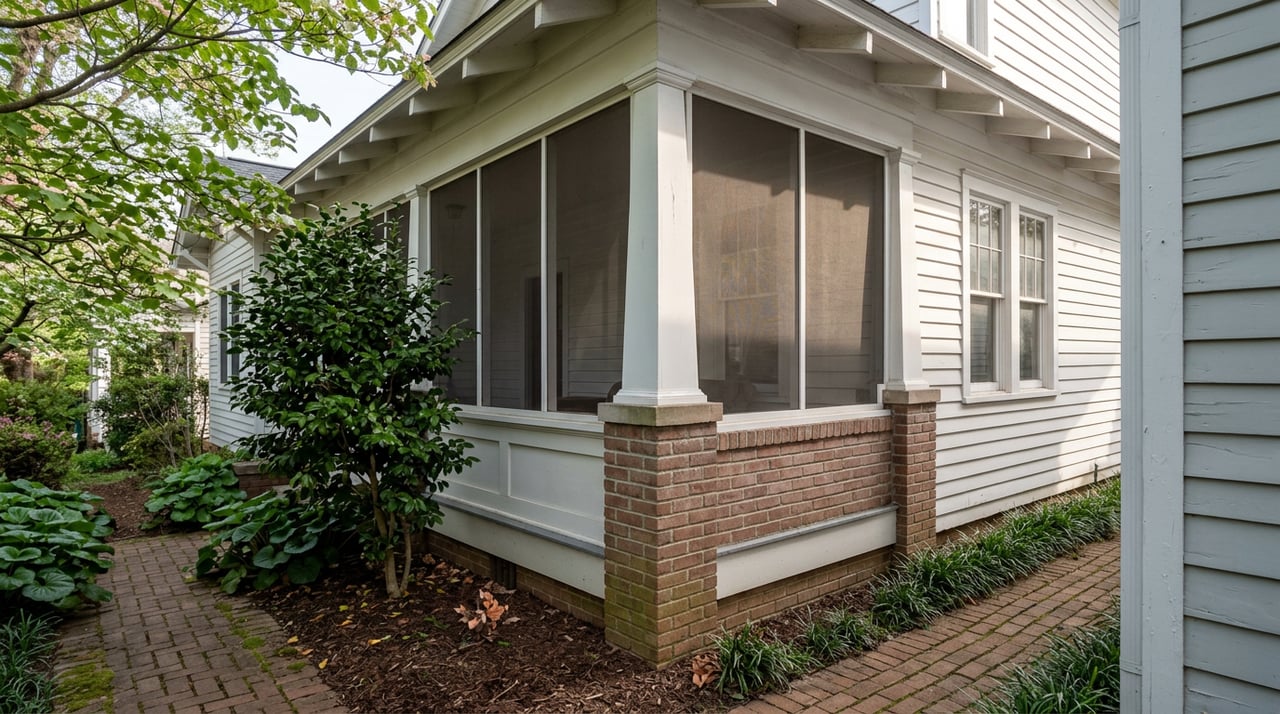
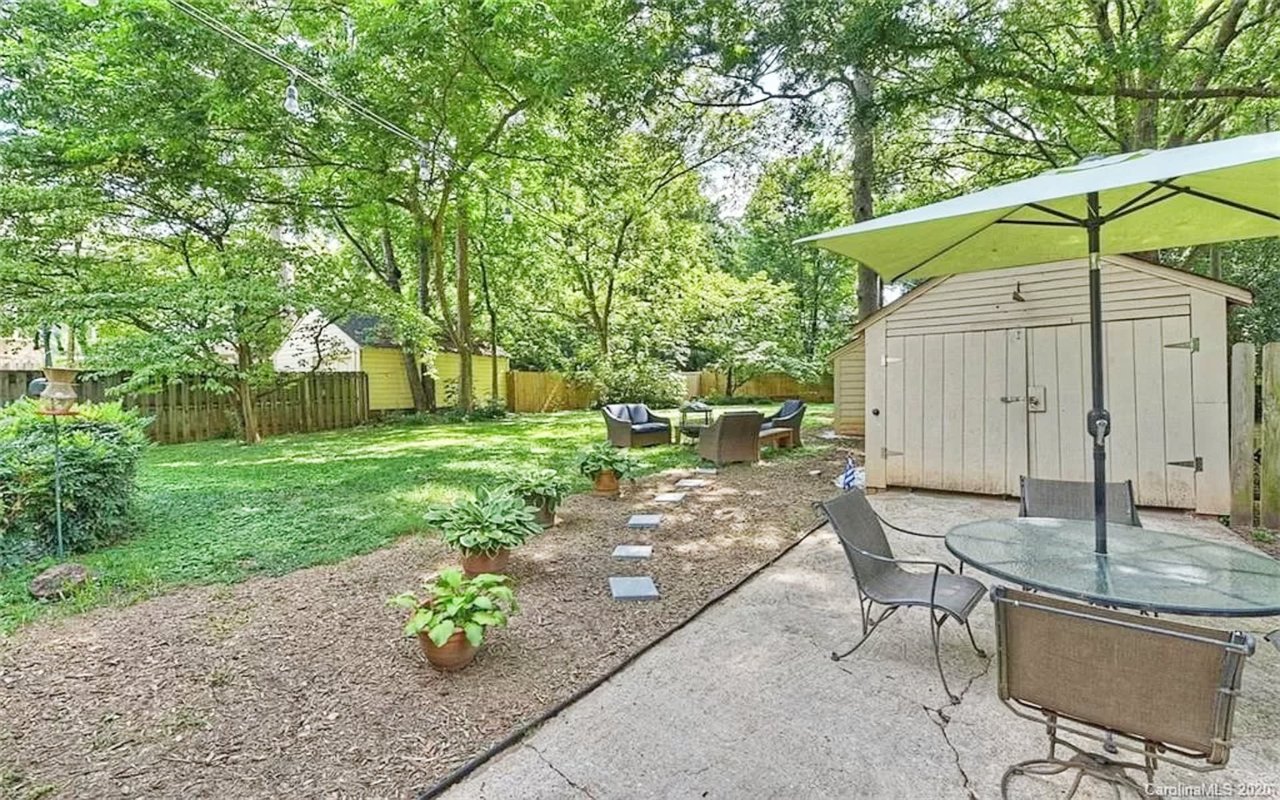
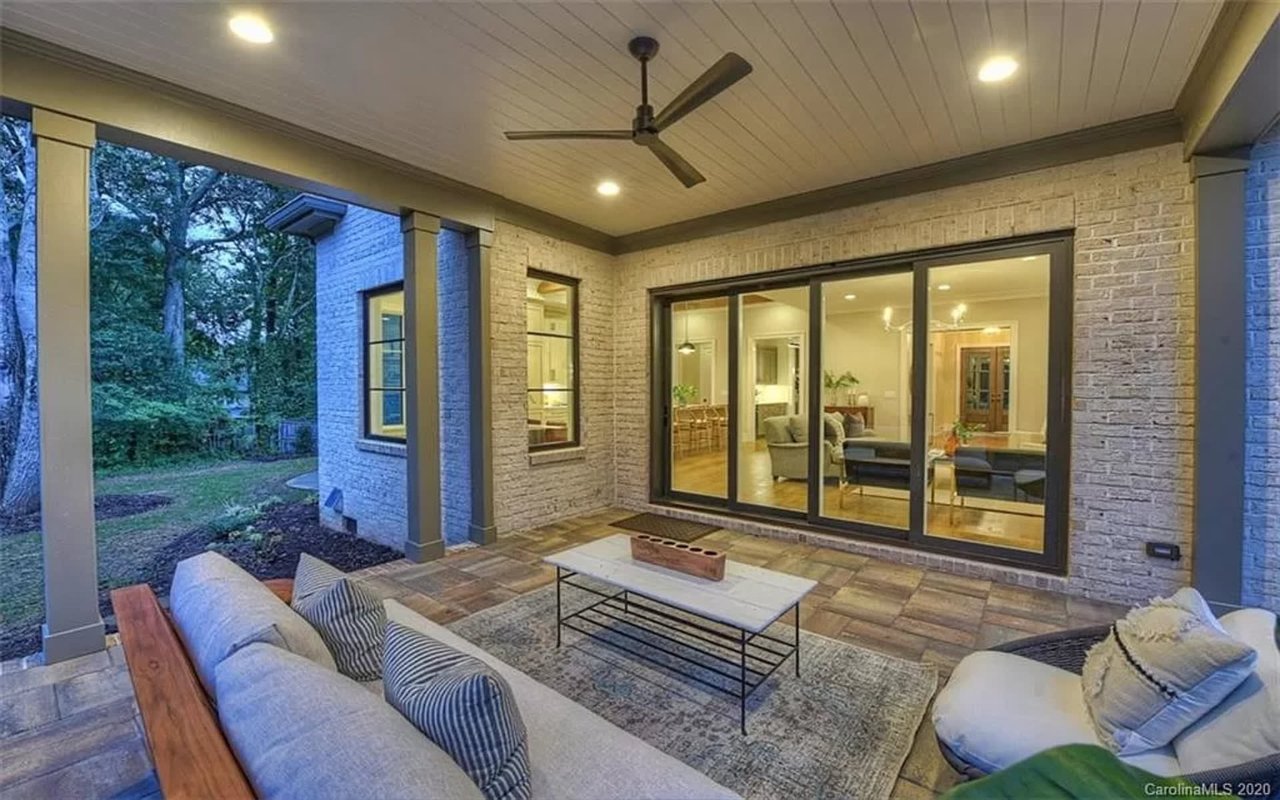
Dilworth and Wilmore bungalows tend to offer more ground-level space. Recent listings frequently feature covered front porches, fenced backyards, screened porches, decks, mature landscaping, and detached garages or parking pads.
Yard space vs elevated space
A bungalow often gives you room to garden, entertain, or simply enjoy a private backyard. In Dilworth, Charlotte’s standards also note that many homes have large rear yards and garages accessed from the back of the lot.
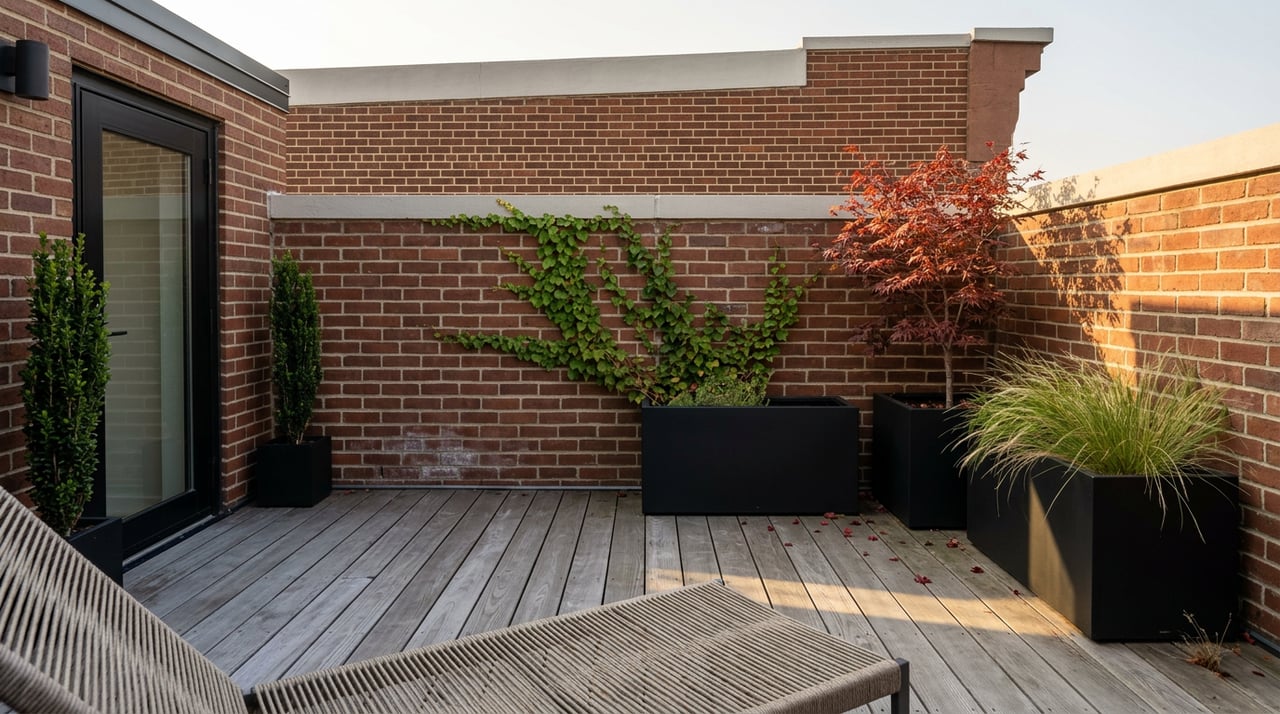
South End condos and townhomes usually trade that yard space for a different kind of outdoor living. Recent examples include private balconies, rooftop terraces, and garage-connected layouts that fit a more lock-and-leave lifestyle.
Parking can shape your experience
Parking is not the flashiest topic, but it can have a big effect on daily convenience.
The City says Dilworth and Wilmore are both part of the residential parking permit program. It also notes that new development has created significant parking demand in South End, leading to curb-management strategies in nearby Wilmore and Dilworth.
Garage dependence vs street sensitivity
In South End, buyers often place real value on reserved spaces and garage parking. That is one reason parking can influence condo resale so strongly, along with building amenities and HOA dues.
In bungalow neighborhoods, parking can feel more varied from block to block. Some homes have detached garages or parking pads, while street parking conditions can be more sensitive to spillover from nearby commercial activity or new development.
Price and resale patterns
No two properties are identical, but the broader neighborhood pattern is fairly consistent.
As of spring 2026 snapshots cited in the research, Dilworth tends to be the priciest of the three areas, Wilmore often sits below Dilworth, and South End is more segmented by property type. Realtor.com showed Dilworth around a $700,000 median listing price with a median sold price around $907,500, Wilmore around a $660,000 median list price with a median sold price around $480,000, and The South End around a $558,000 median listing price. Redfin’s spring 2026 snapshots showed Dilworth around $795,000 sold, Wilmore around $580,000 sold, and The South End around $630,000 sold.
What drives value differently
In Dilworth, pricing often tracks renovated historic single-family homes and sought-after streets. In Wilmore, the housing stock is generally more modest in scale, which can create a somewhat lower entry point.
In South End, resale is often more sensitive to the details of the individual property. HOA dues, parking, building amenities, and distance to the Rail Trail or light rail can all play a meaningful role.
Which buyer does each option suit?
The best choice usually comes down to lifestyle fit rather than a simple pros-and-cons list.
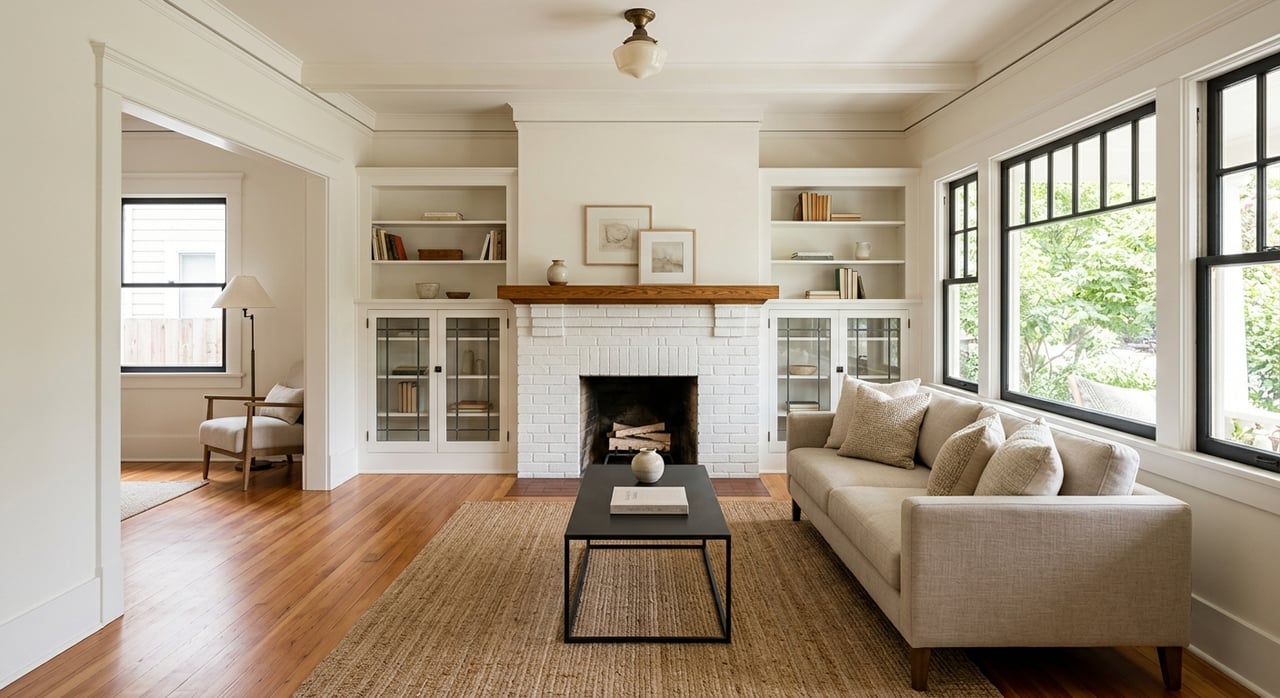
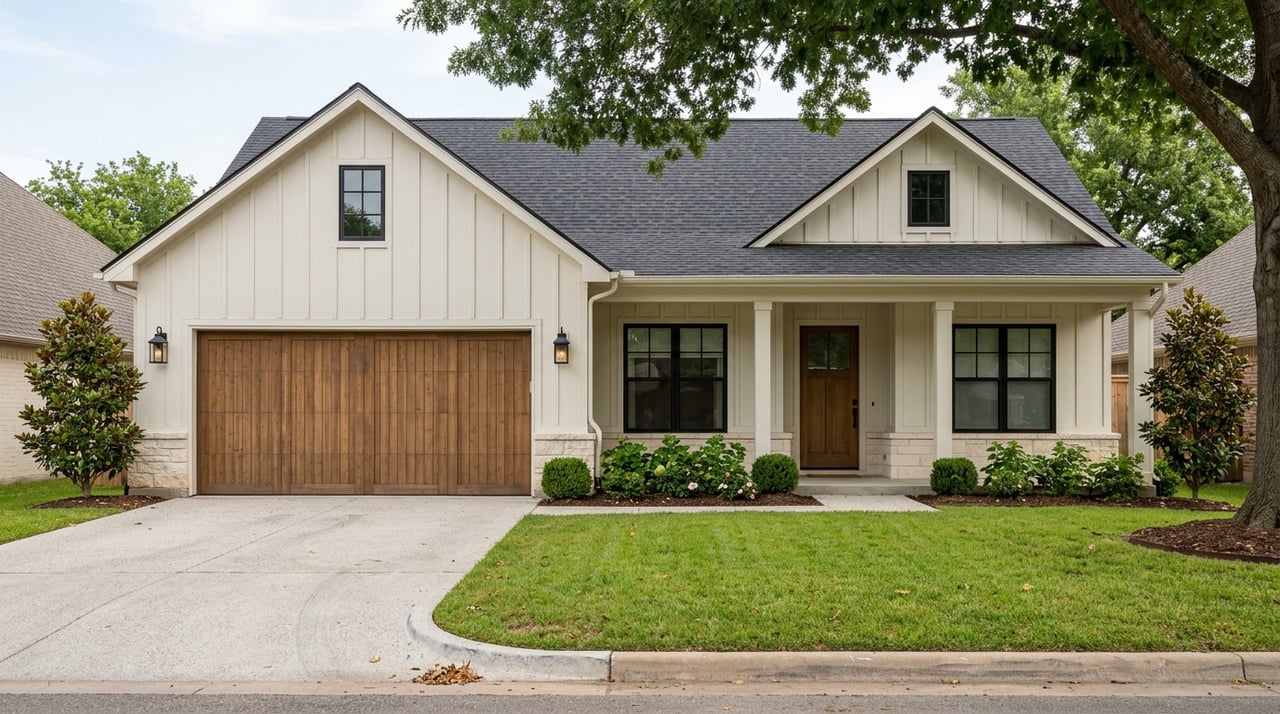
A Dilworth or Wilmore bungalow often suits buyers who want architectural character, a porch, a yard, and a more house-like living experience. It can be a strong fit if you are comfortable with older-home upkeep and with historic-district review for certain exterior changes.
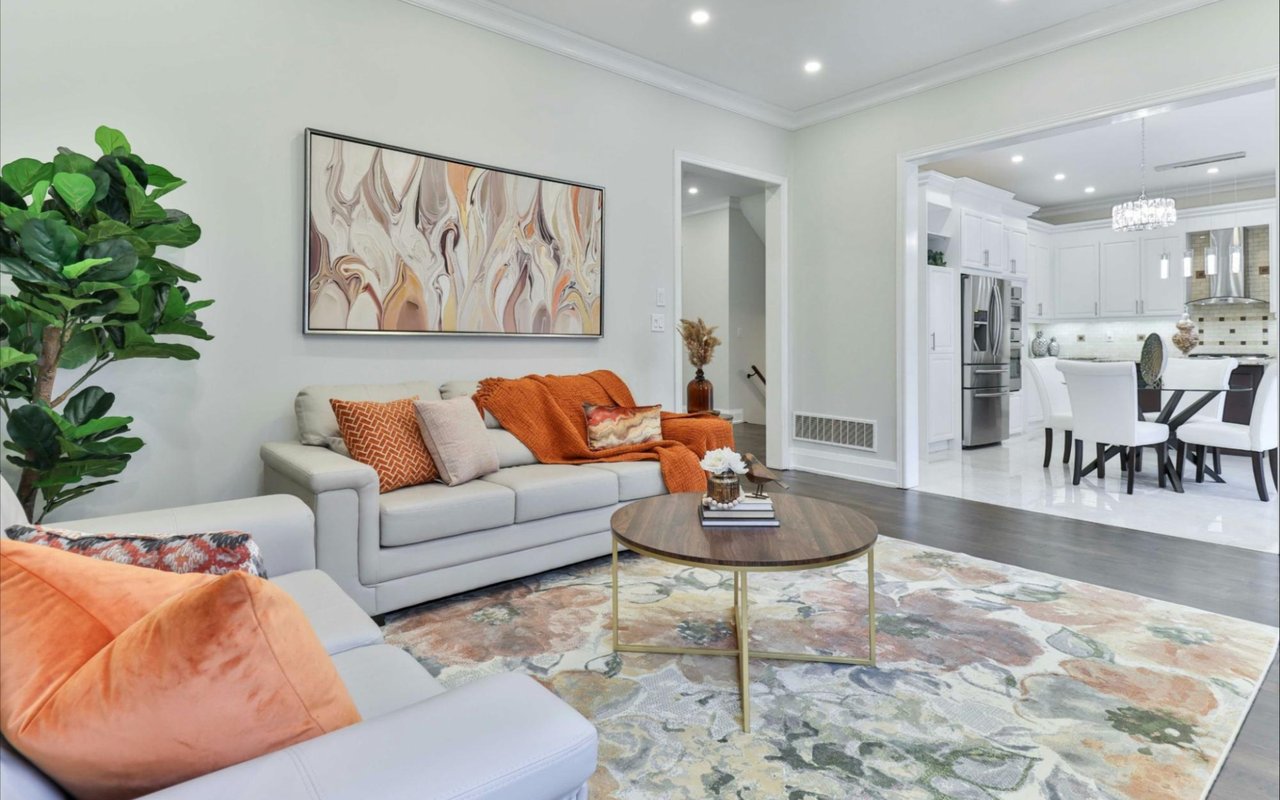
A South End Rail Trail condo or townhome often suits buyers who want newer systems, close-in walkability, garage parking, and less yard work. It can be a smart fit if you are comfortable with HOA dues and enjoy a busier urban setting.
A simple decision checklist
If you are still torn, use these questions to narrow your direction:
- Do you want a yard and porch, or are a balcony or rooftop terrace enough?
- Do you prefer owner-controlled home maintenance, or would you rather pay HOA dues for more shared upkeep?
- Are you comfortable with historic district review for certain exterior projects?
- How important are reserved parking or a private garage?
- Do you want a calmer residential feel or a more active urban environment?
- Are you shopping for single-family character or lower-maintenance convenience?
The right answer is personal
There is no universal winner between a Rail Trail condo and a Dilworth bungalow. One offers a more vertical, connected, lower-yard-maintenance version of city living. The other offers more character, more ground-level space, and a more house-centered experience in one of Charlotte’s most established urban neighborhoods.
The key is to match the property to your routines, budget, and tolerance for upkeep, rules, and activity. If you want thoughtful guidance as you compare Dilworth, Wilmore, and South End options, Lana Laws can help you sort through the details and find the right fit.
FAQs
What is the main difference between a Dilworth bungalow and a South End Rail Trail condo?
- A Dilworth bungalow usually offers more yard space, porch living, and owner responsibility for upkeep, while a South End Rail Trail condo usually offers less yard work, HOA-managed exterior upkeep, and closer access to the corridor’s urban amenities.
What historic district rules apply to Dilworth and Wilmore homes?
- Because Dilworth and Wilmore are Charlotte local historic districts, certain exterior changes require a Certificate of Appropriateness, including projects such as major additions, new construction, accessory dwelling units, and repainting previously unpainted brick.
What are typical HOA costs for South End condos and townhomes?
- Recent South End listings in the research report showed HOA dues ranging roughly from the low $200s to the mid $600s per month, with some covering water, gas, trash, amenity maintenance, parking-related features, association insurance, and management services.
What kind of outdoor space is more common in Dilworth and Wilmore?
- Bungalows in Dilworth and Wilmore commonly feature front porches, fenced backyards, decks, screened porches, mature landscaping, and detached garages or parking pads.
What kind of outdoor space is more common near the South End Rail Trail?
- Condos and townhomes near the Rail Trail more often offer balconies, rooftop terraces, and garage-oriented living instead of larger private yards.
How does parking differ between South End and Dilworth or Wilmore?
- South End tends to be more dependent on garage or reserved parking, while Dilworth and Wilmore are part of Charlotte’s residential parking permit program and can be more sensitive to on-street parking demand.
Is Dilworth usually more expensive than Wilmore or South End?
- The research report shows a consistent pattern across sources that Dilworth tends to be the priciest of the three, with Wilmore generally below Dilworth and South End varying more by property type.