By The Laws Collective
We work with buyers and investors every day who are drawn to Charlotte for its growth, energy, and long-term potential. From first-time investors to seasoned portfolio builders, we see how the right strategy can make all the difference in results. This guide breaks down what you need to know about investing in real estate in Charlotte, NC so you can make sure your decisions are informed, strategic, and aligned with your goals.
Key Takeaways
-
Real estate in Charlotte, NC offers diverse investment opportunities.
-
Neighborhood selection directly impacts long-term performance.
-
Strategy, timing, and property type matter more than hype.
Why Charlotte Continues to Attract Real Estate Investors
Factors Driving Investor Interest
-
Economic expansion: Ongoing job growth supports housing demand.
-
Population growth: New residents fuel rental and ownership needs.
-
Urban development: Continued investment in infrastructure and lifestyle amenities.
Real estate in Charlotte, NC benefits from sustained demand across multiple buyer and renter segments, which is why investors continue to look here for long-term opportunities.
Understanding Charlotte’s Submarkets
Why Location Matters Block by Block
-
Uptown: Strong appeal for professionals and urban renters.
-
South End: High-demand area with mixed-use development.
-
Dilworth and Myers Park: Established neighborhoods with long-term stability.
Each submarket within real estate in Charlotte, NC behaves differently, making local knowledge essential when evaluating potential returns.
Choosing the Right Investment Property Type
Common Property Types Investors Consider
-
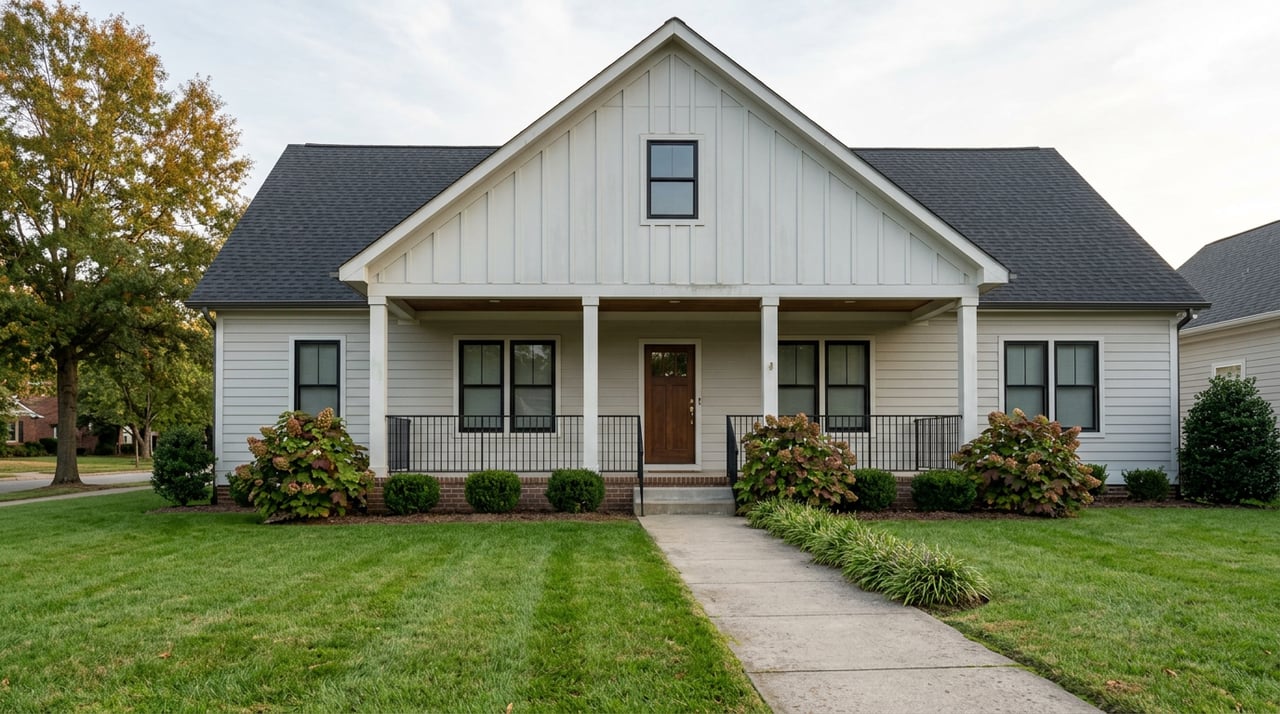
Single-family homes: Often attract long-term tenants.
-
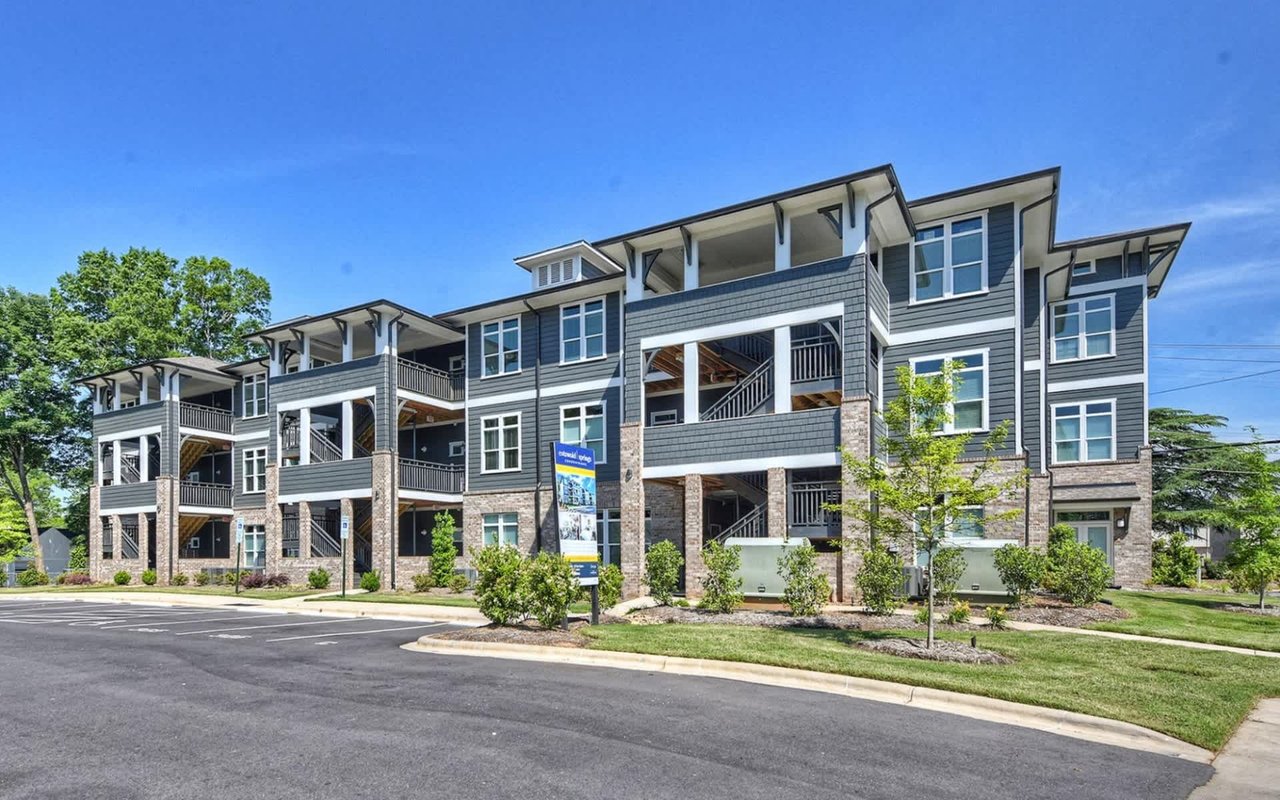
Townhomes and condos: Appeal to low-maintenance renters.
-
Small multi-family properties: Offer multiple income streams.
Selecting the right property type within real estate in Charlotte, NC depends on your risk tolerance, management preference, and financial goals.
Rental Demand and Tenant Profiles
What Drives Rental Performance
-
Employment centers: Proximity to major job hubs matters.
-
Lifestyle amenities: Walkability, dining, and entertainment increase demand.
-
Unit features: Updated finishes and functional layouts attract stronger tenants.
Rental demand remains a key factor for investors evaluating real estate in Charlotte, NC, especially in areas with ongoing development and revitalization.
Evaluating Long-Term Appreciation Potential
Indicators Investors Should Watch
-
Infrastructure projects: Transportation and redevelopment initiatives.
-
Neighborhood momentum: Gradual improvements over time.
-
Buyer activity: Consistent sales volume supports pricing.
Appreciation is not guaranteed, but understanding market signals helps investors position themselves wisely within real estate in Charlotte, NC.
Financing Strategies for Investment Properties
How Financing Impacts Returns
-
Loan structure: Terms affect cash flow and flexibility.
-
Down payment levels: Influence leverage and risk.
-
Interest considerations: Affect long-term profitability.
Financing plays a major role in investment success, and it’s important to match loan structure with your real estate in Charlotte, NC strategy.
Renovation vs. Turnkey Investments
Deciding How Hands-On to Be
-
Turnkey properties: Less upfront work and faster occupancy.
-
Value-add opportunities: Potential upside through updates.
-
Timeline considerations: Renovations require patience and planning.
We help investors decide which approach fits best based on experience level and market conditions within real estate in Charlotte, NC.
Managing Risk in Real Estate Investments
Smart Ways to Protect Your Investment
-
Conservative projections: Avoid relying on best-case scenarios.
-
Proper reserves: Plan for maintenance and vacancies.
-
Exit planning: Know your options before you buy.
Risk management is a critical part of investing in real estate in Charlotte, NC, especially for long-term portfolio growth.
Timing the Market vs. Time in the Market
How Investors Should Think About Timing
-
Opportunity-driven decisions: Focus on property fundamentals.
-
Long-term outlook: Short-term shifts matter less over time.
-
Preparedness: Ready buyers act with confidence.
Successful investors in real estate in Charlotte, NC focus more on strategy and preparation than trying to predict the perfect moment.
Building a Scalable Investment Strategy
Planning Beyond the First Purchase
-
Portfolio balance: Mix property types and locations.
-
Cash flow goals: Align investments with income needs.
-
Growth planning: Leave room for future acquisitions.
Real estate in Charlotte, NC offers flexibility for investors looking to grow thoughtfully over time.
FAQs
Is real estate in Charlotte, NC a good investment right now?
Real estate in Charlotte, NC continues to attract investors due to population growth, strong demand, and diverse neighborhood opportunities.
What neighborhoods are popular for investment properties?
Areas like South End, Uptown, and established neighborhoods such as Dilworth often appeal to both renters and long-term buyers.
Should new investors start small in Charlotte?
Yes, starting with a manageable property allows investors to gain experience while learning how real estate in Charlotte, NC performs.
Contact Us Today
Reach out to The Laws Collective if you’re considering investing in real estate in Charlotte, NC and want guidance rooted in local expertise. We help investors evaluate opportunities, understand market dynamics, and build strategies that align with long-term goals.
At The Laws Collective, we work closely with clients to make sure each investment decision feels informed and intentional. Whether you’re purchasing your first property or expanding an existing portfolio, we’re here to help you navigate real estate in Charlotte, NC with clarity and confidence.
At The Laws Collective, we work closely with clients to make sure each investment decision feels informed and intentional. Whether you’re purchasing your first property or expanding an existing portfolio, we’re here to help you navigate real estate in Charlotte, NC with clarity and confidence.