By The Laws Collective
Return on investment is the number every real estate investor watches most closely, and in a market as dynamic as Charlotte, it moves with a complexity that rewards preparation. From South End's transit-driven appreciation to the steady rental demand near University City's research corridor, different parts of the city generate returns in different ways.
We work in this market every day, and we are glad to share what the data and experience actually show.
Key Takeaways
- Location and Transit Access: Properties within walking distance of the LYNX Blue Line consistently command premium rents and appreciate faster than comparable homes in transit-distant corridors.
- Property Condition: Targeted renovations in kitchens, bathrooms, and curb appeal deliver some of the highest returns in Charlotte's competitive resale and rental markets.
- Rental Strategy: Charlotte's growing workforce and university population sustain both long-term and short-term rental demand, but each strategy carries different costs and management implications.
- Financing and Carrying Costs: Interest rates, property tax rates across Mecklenburg County's various jurisdictions, and vacancy rates all directly compress or expand net returns.
Location and Transit: How Neighborhood Choice Drives Charlotte ROI
In Charlotte's current market, location is the most powerful lever an investor can pull, and the performance gap between well-positioned neighborhoods and the rest of the market has only widened.
High-ROI Location Factors in Charlotte
- LYNX Blue Line Proximity: Transit-adjacent properties in South End and NoDa attract renter pools willing to pay above-market rates for walkable access to Charlotte's employment core.
- University City Corridor: The research and healthcare cluster around UNC Charlotte sustains steady long-term rental demand from students, faculty, and healthcare workers throughout the calendar year.
- Steele Creek and Ballantyne: These southwestern growth corridors benefit from proximity to corporate campuses and continue to attract working families whose rental preferences lean toward larger single-family homes.
Location decisions in Charlotte are increasingly shaped by the city's transit expansion plans, and neighborhoods along planned or approved corridor extensions deserve particular attention.
Property Condition and Renovation: What Adds Value in Charlotte
Charlotte's resale and rental markets both reward properties that are well-maintained and strategically updated, and the list of improvements that pay off is shorter than most investors assume.
Renovations That Move the ROI Needle
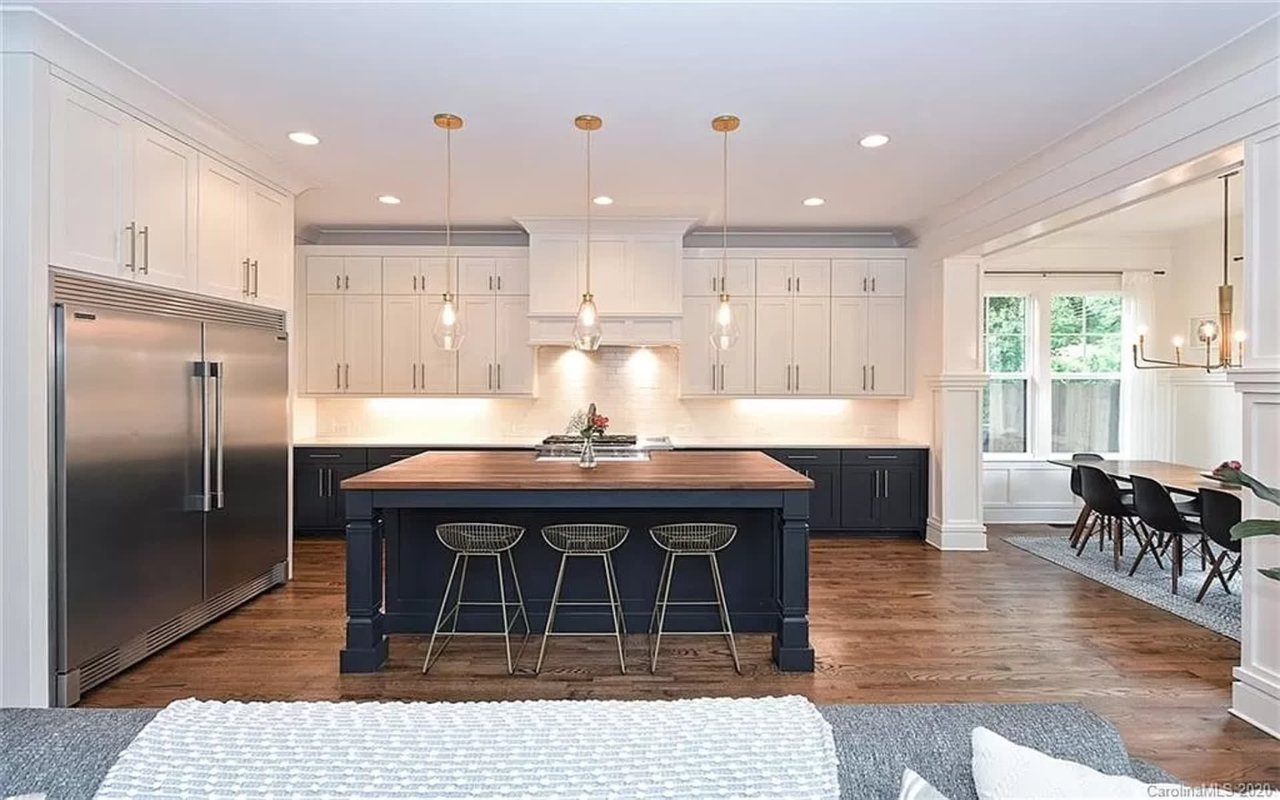
- Kitchen Updates: In Charlotte's competitive rental and resale markets, kitchen refreshes — updated countertops, cabinet hardware, and lighting — consistently deliver returns that exceed their cost.
- Bathroom Renovations: Updated bathrooms, particularly primary baths, are among the first features prospective renters and resale prospects notice, and they justify a meaningful premium in Dilworth and Myers Park comparables.
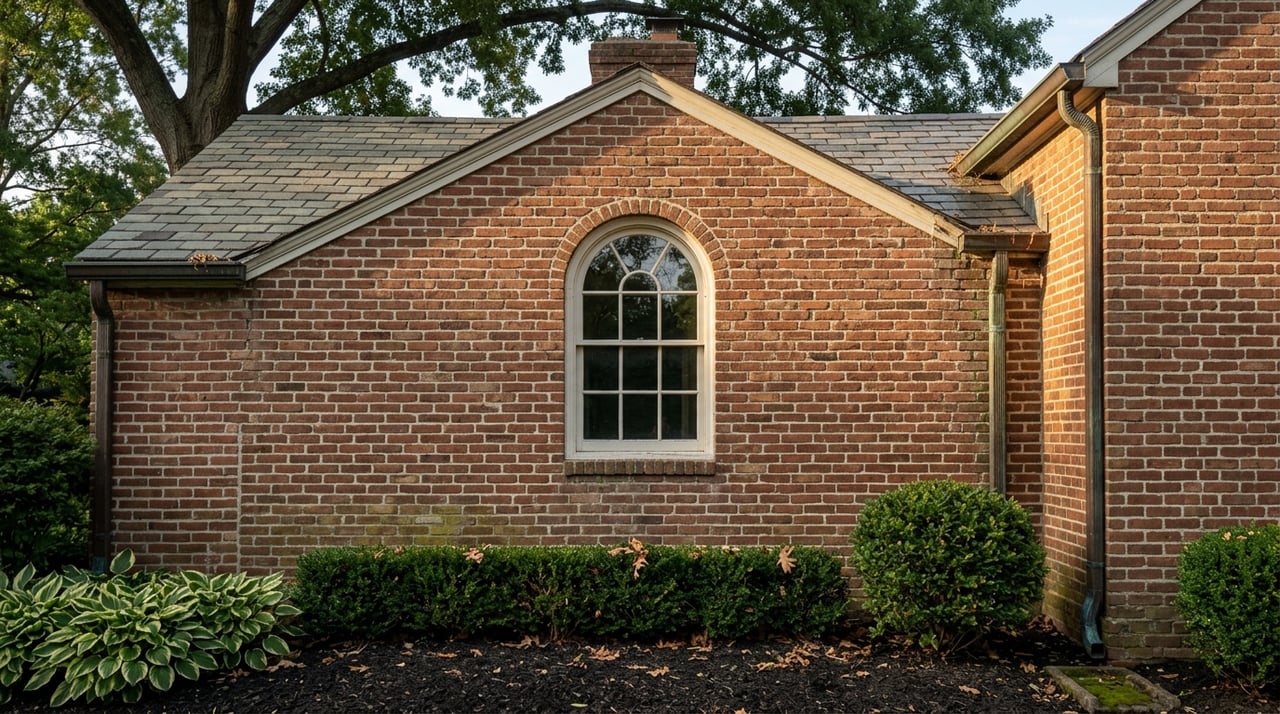
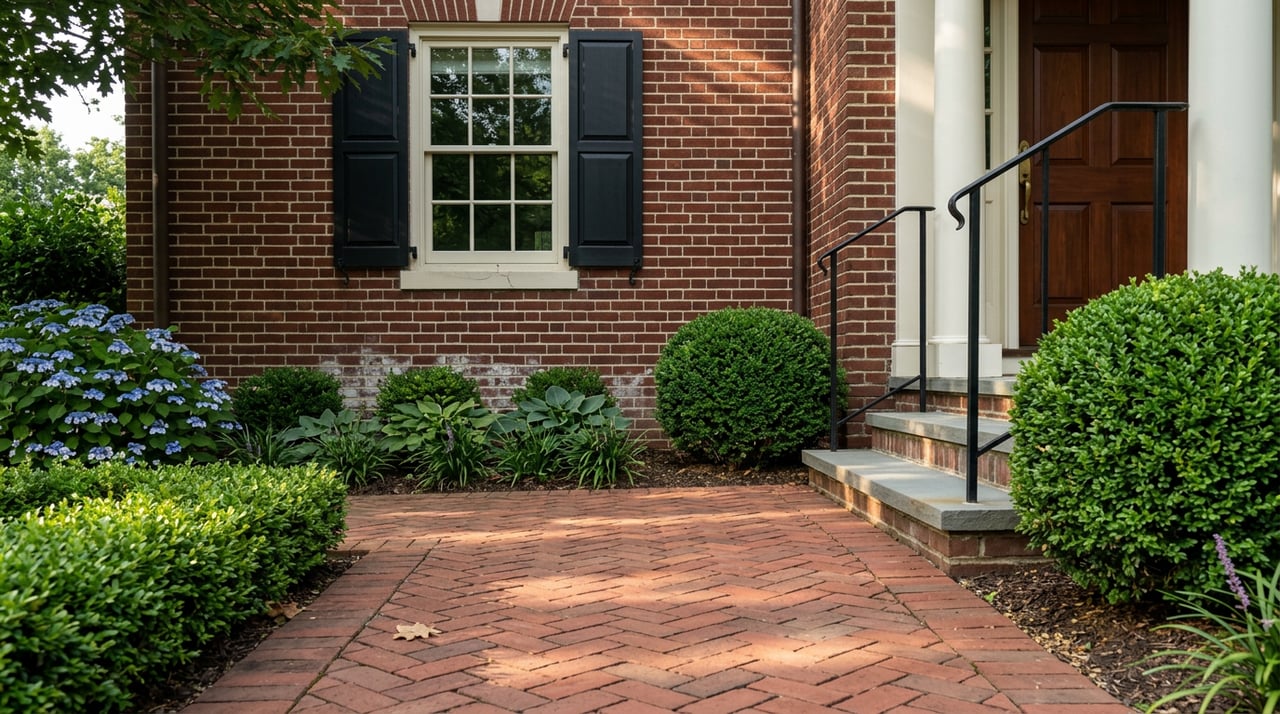
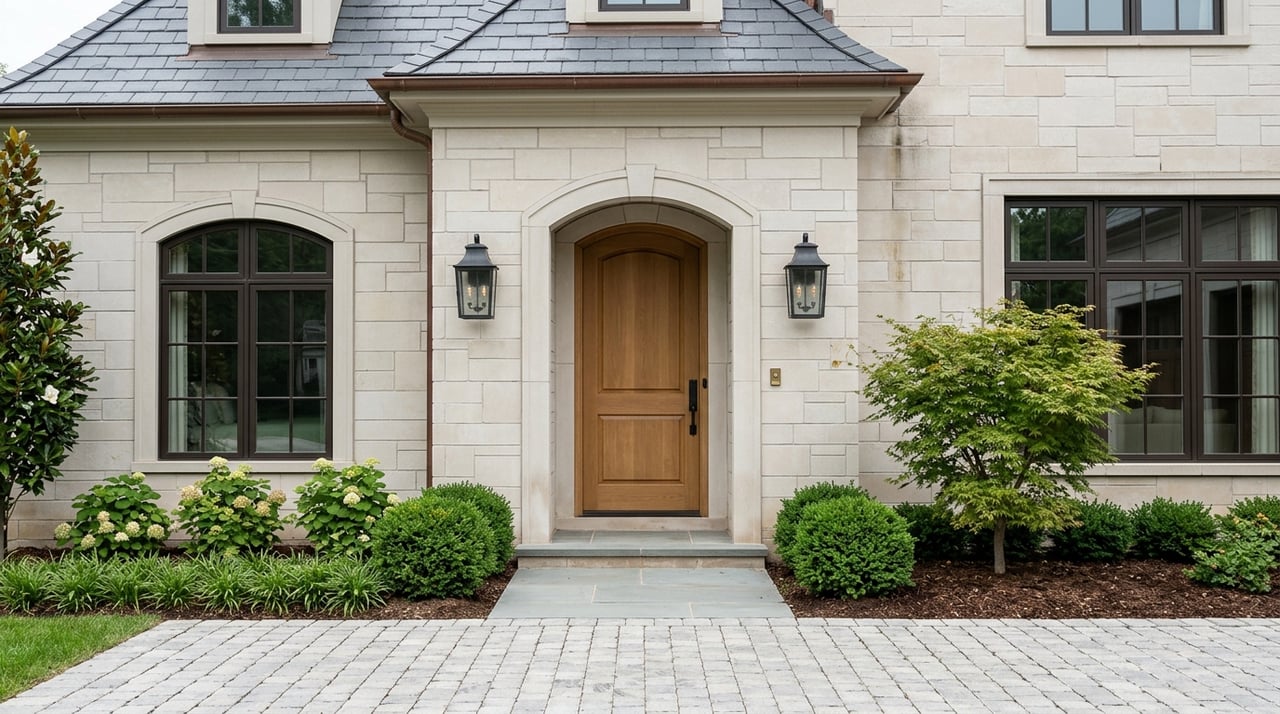
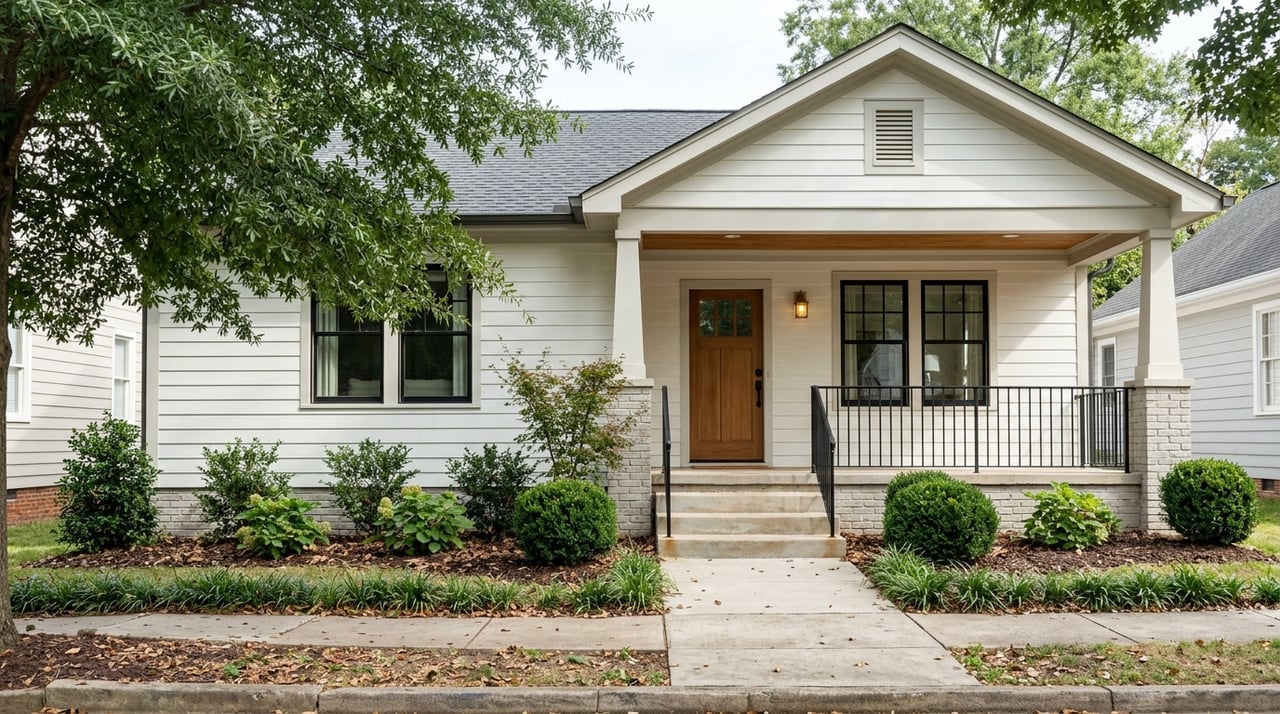
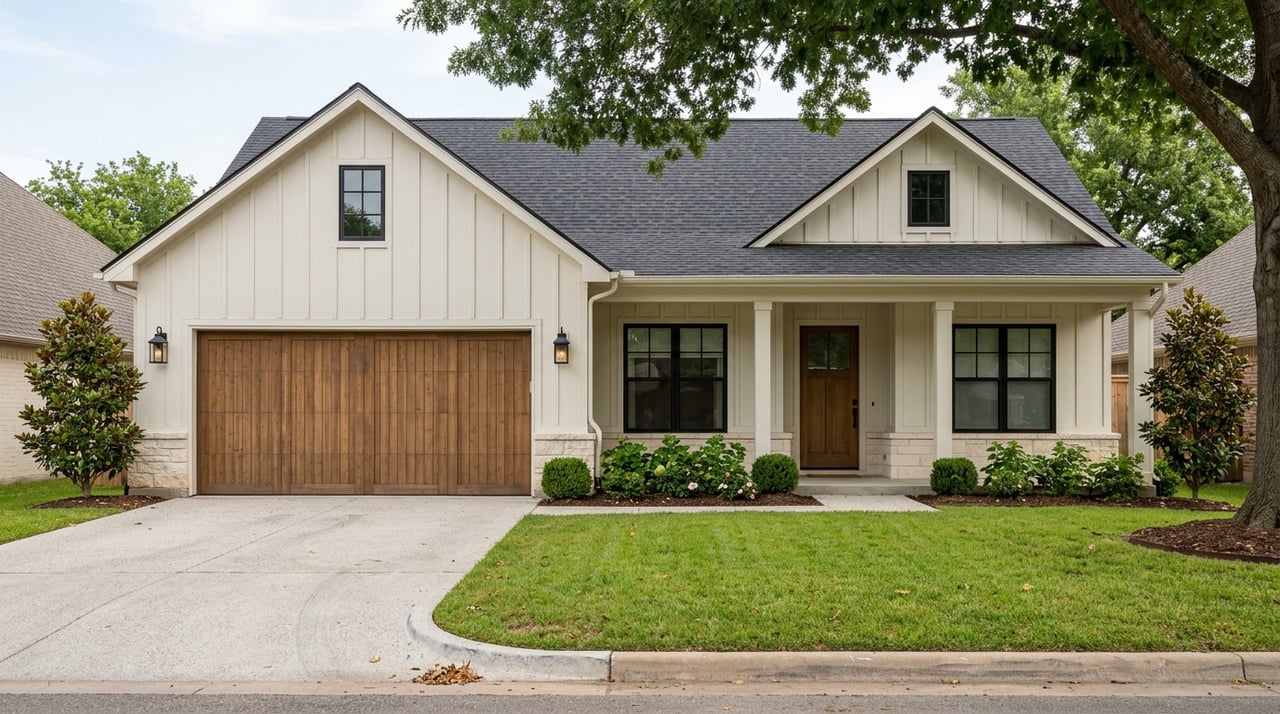
- Curb Appeal and Exterior: Fresh exterior paint, landscaping, and a maintained roofline are low-cost, high-visibility improvements that directly reduce days on market and support asking-price outcomes.
Over-improving relative to the neighborhood is one of the most common ways investors leave money on the table in Charlotte's more modest price bands.
Rental Strategy: Long-Term vs. Short-Term Demand in Charlotte
Charlotte's rental market is one of the most resilient in the Southeast, driven by corporate relocation activity, a growing healthcare sector, and the sustained enrollment pressure on regional universities.
Rental Demand Factors That Shape Returns
- Corporate Relocation Tenants: Bank of America, Wells Fargo, and a growing list of tech employers bring transferee tenants to Charlotte who prioritize lease flexibility and proximity to Uptown, often supporting premium monthly rates.
- Short-Term Rental Demand: Neighborhoods near Uptown and South End see consistent short-term rental demand driven by events at the Spectrum Center, Bank of America Stadium, and business travel traffic throughout the year.
- Student and Medical Housing: The University City corridor around UNC Charlotte generates consistent demand from graduate students, medical residents, and research fellows whose lease cycles align with academic calendars.
Choosing between long-term and short-term rental strategies requires matching the property type and location to the demand patterns that actually exist in that submarket.
Financing, Taxes, and Carrying Costs: The Numbers Behind the Numbers
What an investor actually nets depends on the cost of debt, the local tax burden, and the ongoing expenses that most pro formas underestimate.
Cost Factors That Directly Affect Net Returns
- Interest Rate and Loan Structure: The gap between a favorable and an unfavorable rate on a Charlotte investment property can meaningfully alter monthly cash flow and the total return profile across a standard hold.
- Mecklenburg County Property Taxes: Mecklenburg County's property tax rate is competitive with other major North Carolina metros, but recent reassessments have raised the tax burden on properties that appreciated significantly in the last cycle.
- Maintenance and Capital Reserves: A realistic capital reserve allocation — covering roof, HVAC, plumbing, and periodic interior updates — is one of the most consistently underestimated line items in Charlotte investment underwriting.
Every one of these cost layers factors directly into ROI for Charlotte, NC real estate, and the investors who account for them in advance consistently outperform those who do not.
FAQs
Which Charlotte neighborhoods offer the best ROI for residential investment properties?
ROI in Charlotte is highly neighborhood-dependent, with South End and NoDa performing well for appreciation strategies and University City and Steele Creek delivering reliable cash flow for long-term rental investors.
How does Charlotte's growth rate affect real estate returns?
Charlotte consistently ranks among the fastest-growing major metros in the United States, and that population growth directly supports both rental demand and long-term appreciation.
What is the typical cash-on-cash return for a Charlotte investment property?
Cash-on-cash returns in Charlotte vary significantly based on property type, location, financing structure, and rental strategy, which makes any single figure misleading without context.
Put Charlotte's Investment Market to Work with The Laws Collective
Charlotte's real estate investment landscape rewards preparation, local knowledge, and the kind of market-specific analysis that turns a good opportunity into a well-performing asset.
When you are ready to put the numbers to work, we are ready to help you build your case. Contact us at The Laws Collective today and let us walk you through the analysis that every smart Charlotte investment starts with.
When you are ready to put the numbers to work, we are ready to help you build your case. Contact us at The Laws Collective today and let us walk you through the analysis that every smart Charlotte investment starts with.