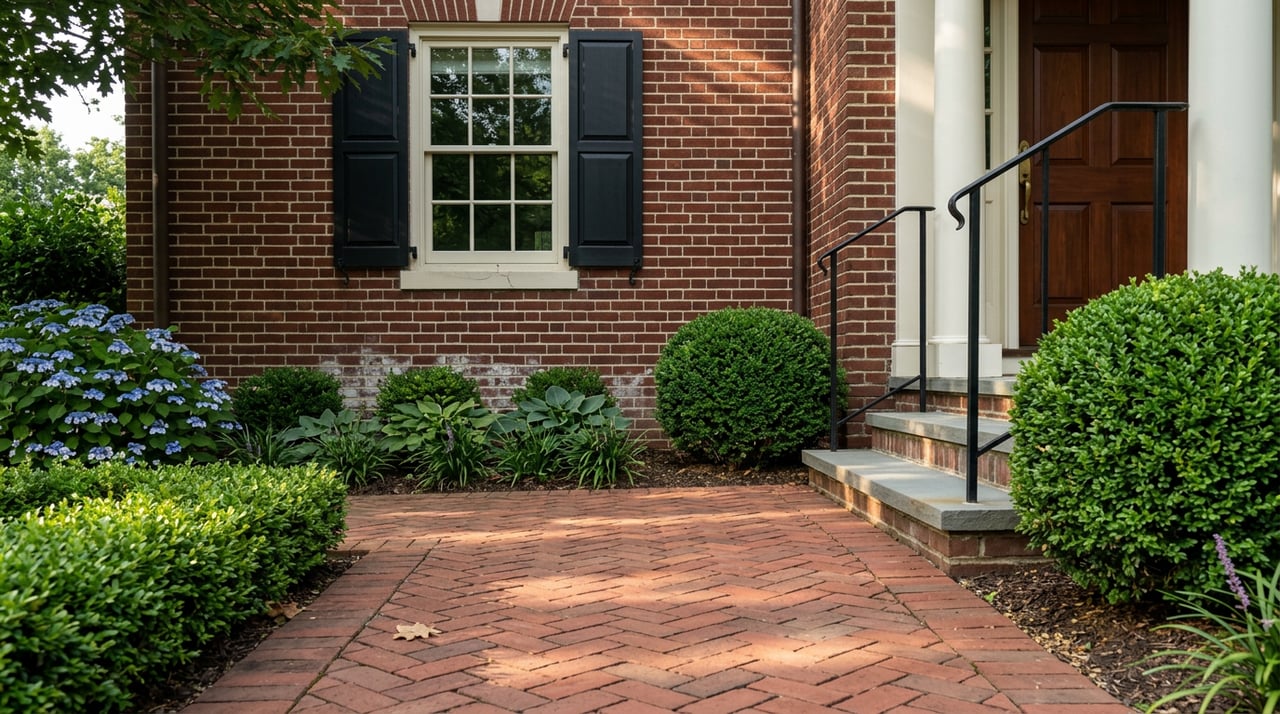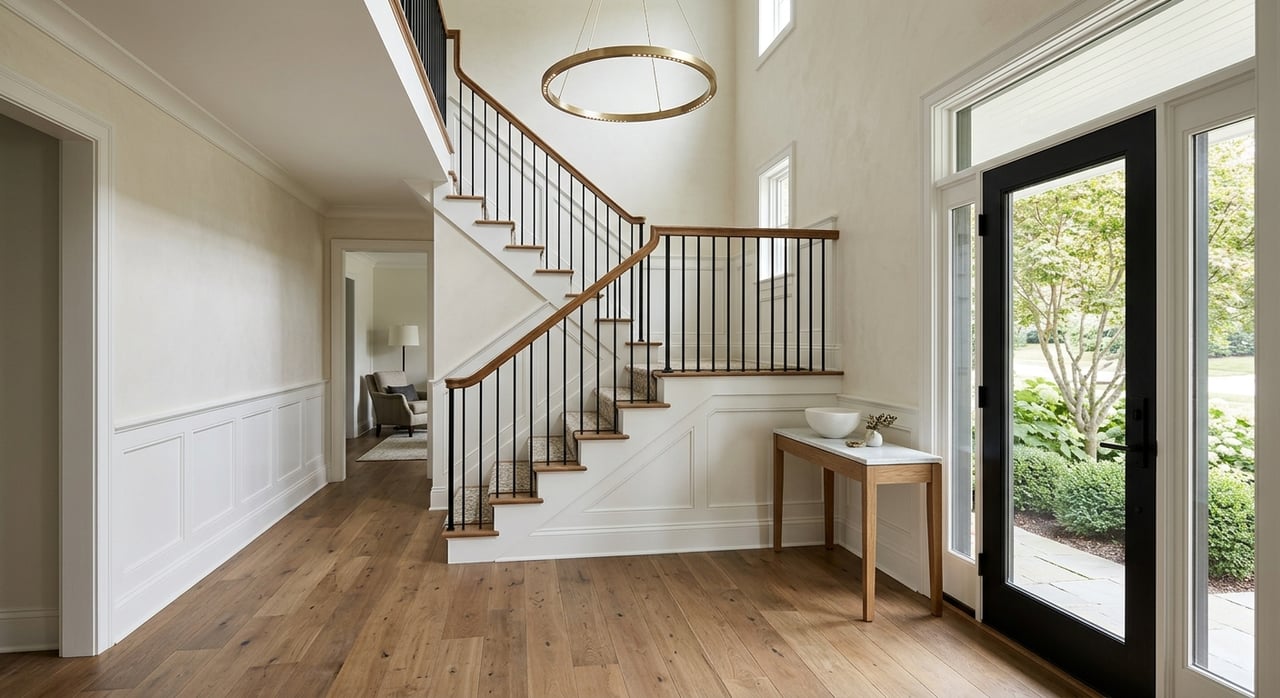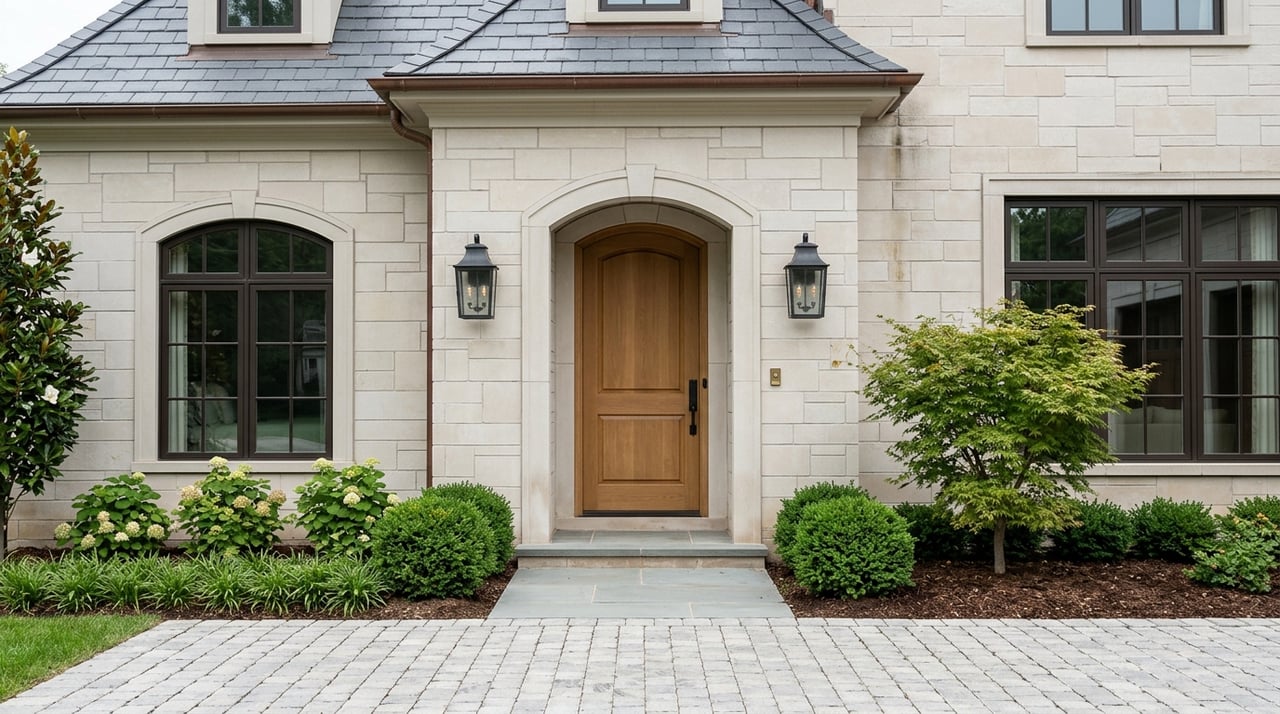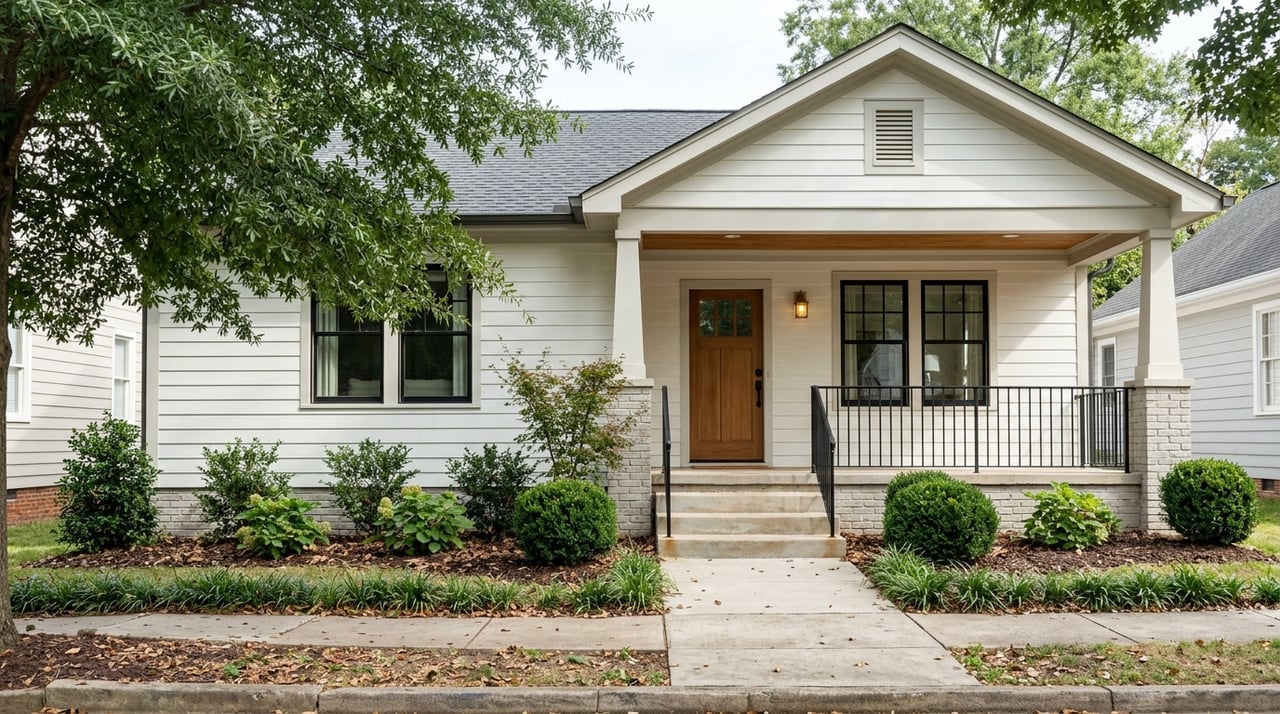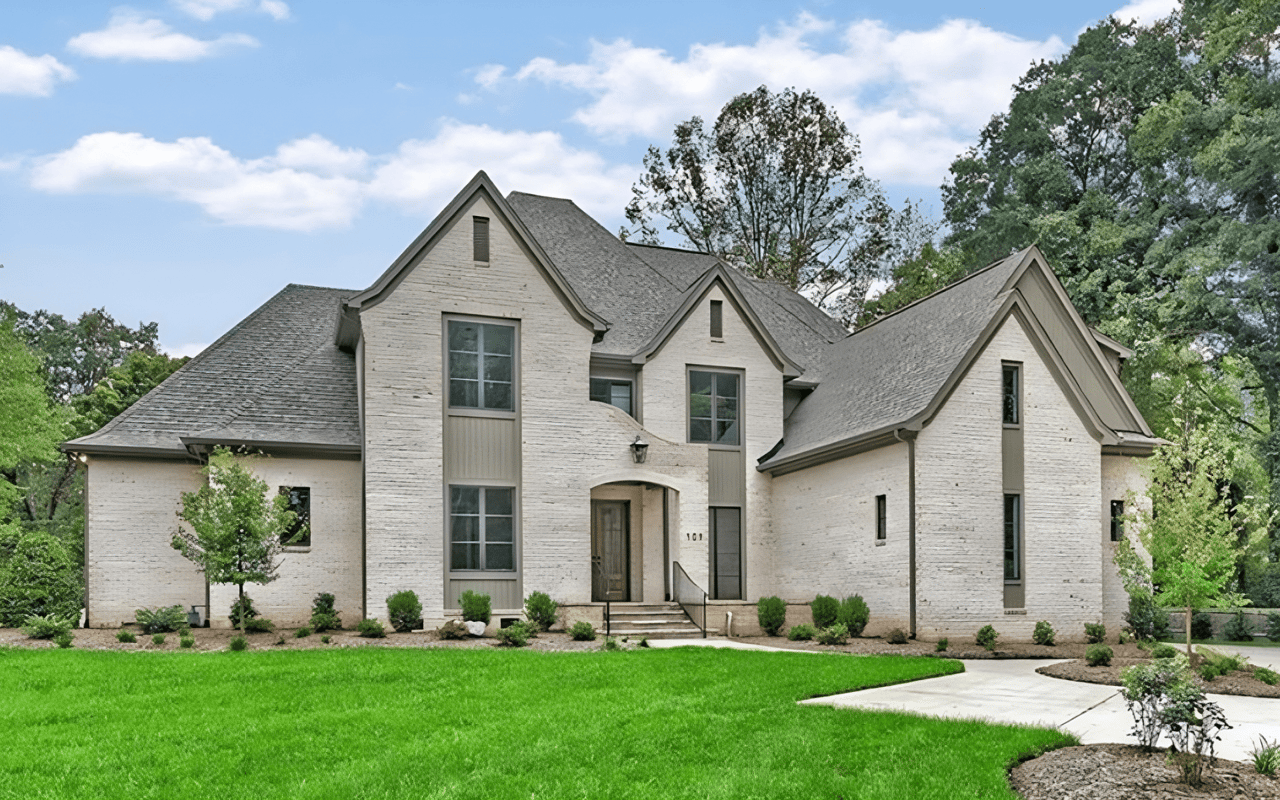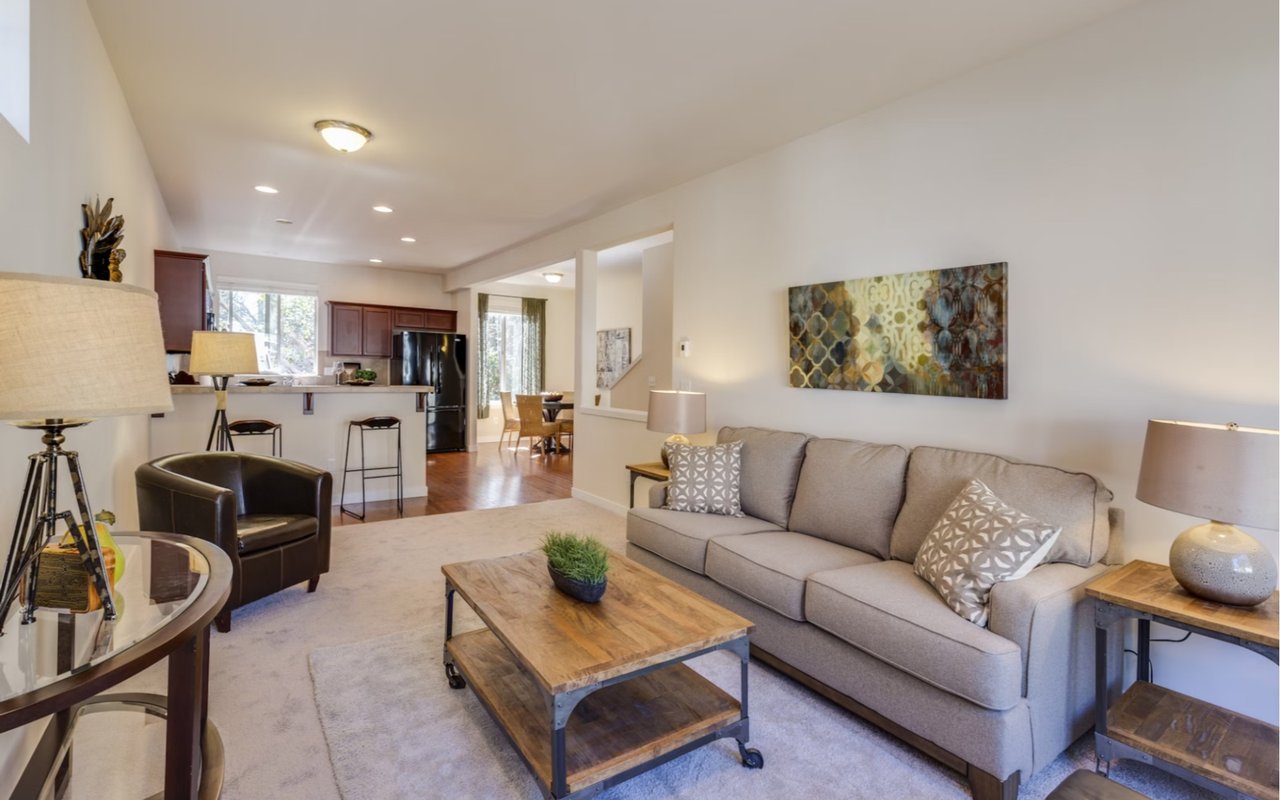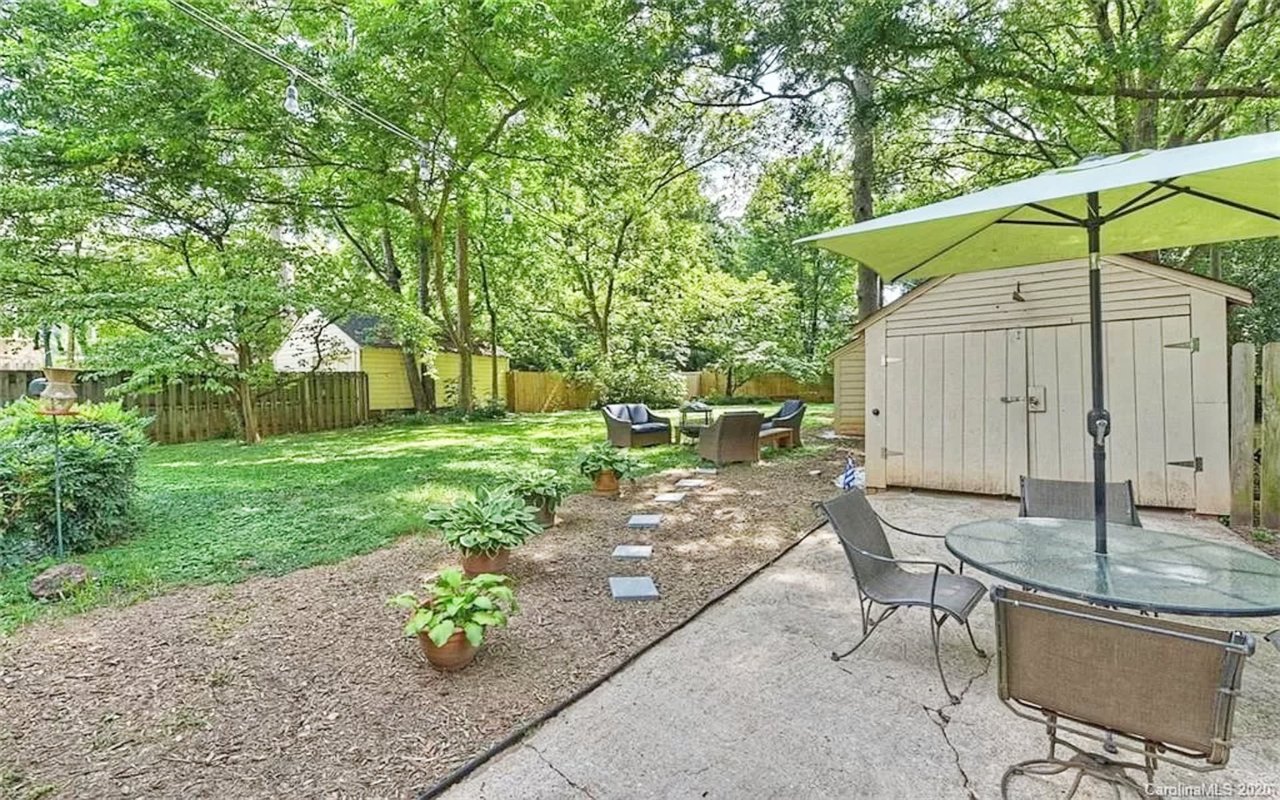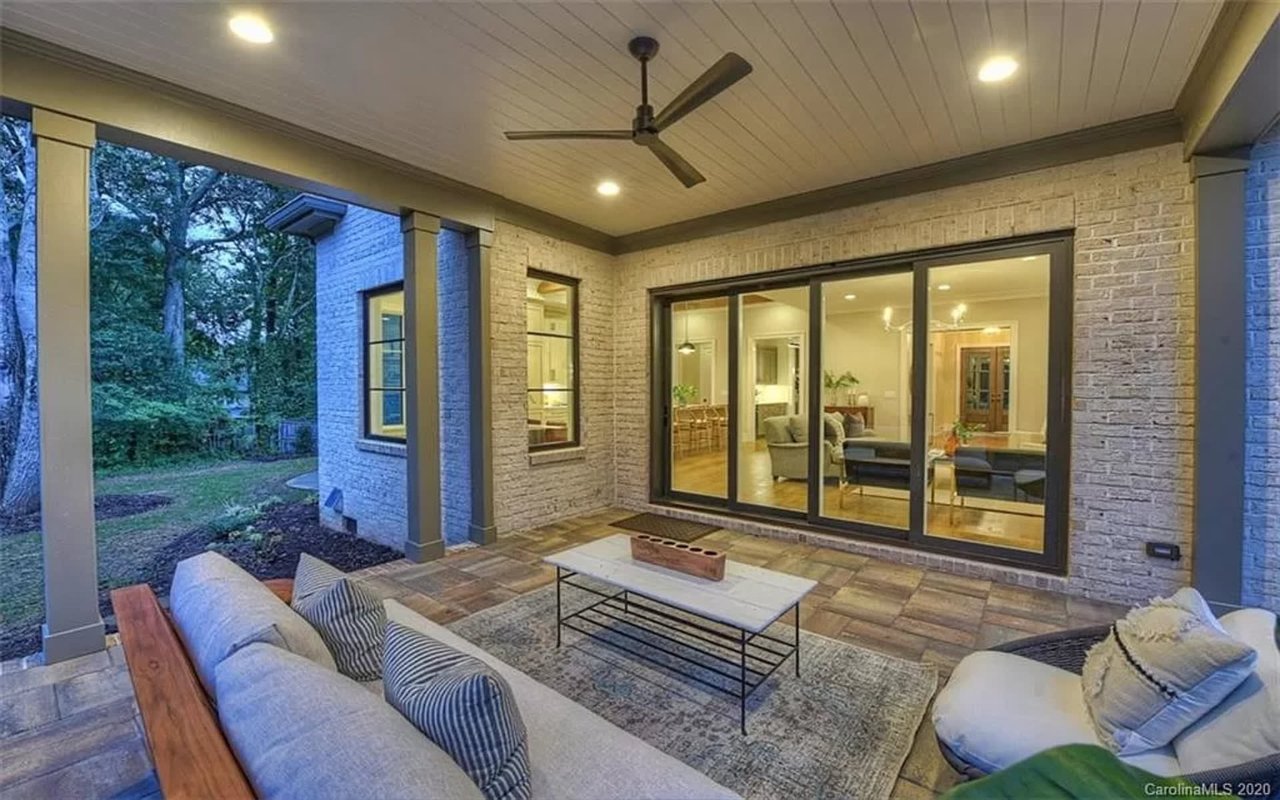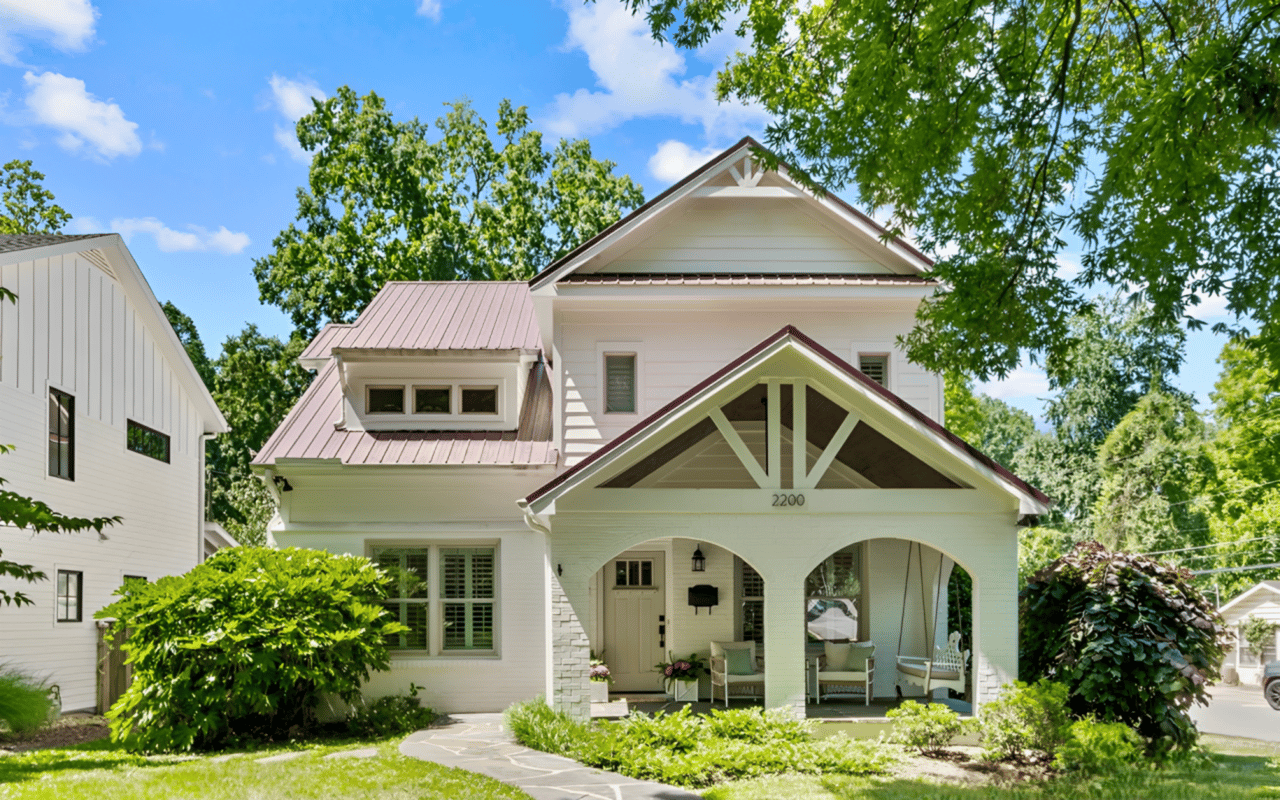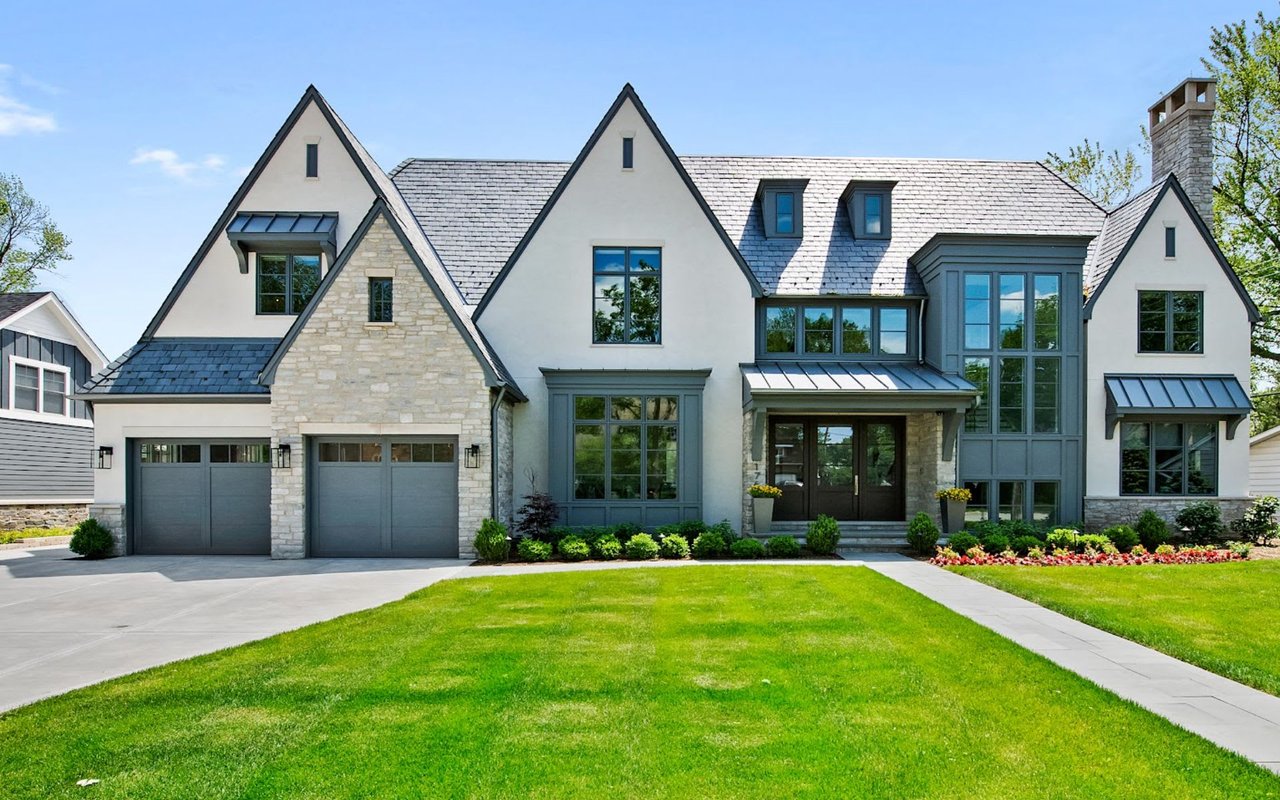
Two buyers, same afternoon in July 2026, touring similar houses forty minutes apart. One is a 1920s Tudor on Queens Road West in Myers Park. The other is a bungalow on a tree-lined street in Dilworth. Both listings use the word "historic." Both command a premium for it. Both buyers assume that premium is buying the same thing: a guarantee that the house next door won't get bulldozed for a spec build in three years.
It isn't the same guarantee. And the gap between what these two neighborhoods actually promise is worth understanding before you write an offer, because it changes what you're paying for when you pay for "historic" in Charlotte.
What the word "historic" is actually doing
Myers Park is listed on the National Register of Historic Places, added in 1995, and its 670 contributing buildings are genuinely part of what makes the neighborhood look the way it does. But National Register status is an honor roll, not an ordinance. It makes homeowners eligible for preservation tax credits if they choose to use them. It does not give any city body the power to stop or even delay a demolition.
Dilworth and Wesley Heights are different. Both are local historic districts in addition to their National Register listing, which means Charlotte's Historic District Commission has actual jurisdiction there. In a local historic district, the commission can choose to delay a demolition for up to a year. In Myers Park, there is no such lever to pull. A UNC Charlotte Urban Institute study on the city's historic districts put it plainly: neither designation stops demolition outright, but only the local district gives anyone standing to slow it down.
That single distinction, local historic district versus National Register only, is the thing most buyers comparing these neighborhoods never ask about, because the marketing language sounds identical from the curb.
Where Myers Park actually sits, and where it doesn't
| Neighborhood | National Register | Local Historic District | Demolition delay power |
|---|---|---|---|
| Myers Park | Yes | No | None |
| Dilworth | Yes | Yes | Up to 1 year |
| Wesley Heights | Yes | Yes | Up to 1 year |
Myers Park shares its National-Register-only status with three other Charlotte neighborhoods: Elizabeth, North Charlotte, and Pharrsdale near Eastover. None of the four have the legal teardown friction that Dilworth and Wesley Heights carry.
This isn't an abstract zoning footnote. It shows up on the ground, on the same streets buyers are touring right now.
What the gap looks like on the street
The Myers Park Homeowners Association formed in 1970, making it one of Charlotte's earliest and most organized neighborhood groups, specifically in response to demolitions along Queens Road. The organization succeeded in getting much of the neighborhood downzoned to discourage teardowns.
Since 1970, more than two dozen early dwellings in Myers Park have fallen anyway.
That is not a story about a homeowners association failing. It is a story about the limits of what a homeowners association can do when the underlying designation carries no enforcement teeth. A UNC Charlotte Urban Institute mapping project tracking demolition permits since 1999 found that teardown activity is concentrated in, and rising again in, exactly this cluster of close-in neighborhoods, Myers Park among them.
You can see the mechanism working in real time on active listings. One Myers Park listing at 2009 Hassell Place was marketed explicitly as a tear-down candidate, pitched to builders as a canvas for new construction on a street already mixing original 1920s homes with recent custom builds. Builders active on Myers Park lots include Alenky Signature Homes, Simonini, Saussy Burbank, Copper Builders, Halley Douglas, and the Gratia Development and Westwood Homes partnership, names that show up repeatedly across current listings for new construction on streets like Queens Road, Beverly Drive, and Coniston Place. None of that construction required anyone's permission beyond a standard building permit, because there is no historic district commission with jurisdiction to slow it down.
The 2026 zoning cleanup didn't touch this
Charlotte's city council passed a UDO Text Amendment on March 23, 2026 that closed a different loophole entirely. Under the old rules, developers using the "conservation development" option could shrink lot sizes in exchange for preserving open space, then skip the open space anyway. City officials themselves described it as an unintended consequence of the original 2023 ordinance, and the March 2026 amendment tightened the requirement so developers have to actually deliver the green space they promised.
That fix matters for infill projects citywide, but it has nothing to do with the historic district gap. Conservation overlays, sidewall height limits, and the UDO's place-type system are separate tools from local historic district designation, and it is easy to see how the two get blurred in generic zoning guides. A property in Myers Park can be subject to UDO form standards, like height and setback rules, while still carrying zero demolition-delay protection, because those are two different regulatory questions answered by two different bodies.
If you are comparing Myers Park to Dilworth on the strength of "they're both historic neighborhoods with zoning protections," you are reading two different protections as one.
What this actually means when you're deciding
None of this means Myers Park is a bad bet. The neighborhood's built environment, the willow oak canopy along Queens Road West, Freedom Park's 98 acres bordering the western edge, the Wing Haven Garden and Bird Sanctuary, the Booty Loop's three miles of running and cycling path, exists independent of any ordinance. Those amenities don't need a Historic District Commission to remain in place. They are physical and horticultural, not regulatory, and that is a form of durability the paperwork can't take away.
What the ordinance question changes is your expectation about the house next door. If a stable, unchanging streetscape twenty years out matters more to you than pure appreciation math, Dilworth or Wesley Heights gives you an actual procedural check that Myers Park does not. If you're comfortable knowing that any given lot on your block could become a 6,000-square-foot new build without a public hearing, and you're buying Myers Park for the lot size, the school cluster, and the canopy rather than a promise of permanence, that's a reasonable trade too. The point is knowing which trade you're making before you're three years into ownership watching a demolition crew show up two doors down.
Redfin's own tracked numbers for Myers Park show how noisy the headline can get in a market this thin. In November 2025, Redfin had the median sale price at $1.4 million, down 15.7 percent year over year. By February 2026, a Redfin-sourced report on the same neighborhood put the median at $1.7 million, up 51.1 percent year over year on 36 sales. By the time Redfin's page was pulled again in late July 2026, it showed an average sale price of $2.31 million, up 112.2 percent year over year. Zillow's typical home value calculation, updated through June 2026, told a calmer story: $1.42 million, up a modest 3 percent. Those aren't contradictory data errors. They're what happens when a handful of high-end sales, or their absence, swings a monthly figure in a neighborhood that doesn't transact in volume. Treat any single headline price for Myers Park with the same caution you'd apply to its historic designation: it describes something real, but not the whole picture.
Frequently asked questions
Does National Register status stop a neighbor from tearing down their house? No. National Register listing makes a property eligible for preservation tax incentives if the owner chooses to pursue them, but it carries no demolition review authority. Only local historic district designation gives Charlotte's Historic District Commission the power to delay a teardown, and only for up to a year even then.
What's the difference between a historic district and a conservation district in Charlotte's zoning code? They're separate tools. Historic district designation, local or National Register, deals with demolition review and architectural character. Conservation overlays and the UDO's place-type system deal with lot size, setbacks, and open space requirements for new development. A property can be subject to one, both, or neither.
Did the March 2026 zoning changes affect Myers Park's historic status? No. That amendment addressed a loophole in the conservation development option used by some infill developers citywide. It didn't change which Charlotte neighborhoods hold local historic district status, and Myers Park's National-Register-only designation was unaffected.
If you're weighing a Myers Park purchase against Dilworth, Wesley Heights, or another close-in Charlotte neighborhood and want to understand what's actually protected versus what's simply well-preserved for now, The Laws Collective can walk you through the specific streets, builders, and listings shaping each market today. Start the conversation.