Pull up three different real estate sites for Plaza Midwood this week and you will get three different stories about the same ZIP code. One shows list prices down 13 percent from the month before and 12 percent from a year ago. Another shows sale prices up 7 percent over the trailing twelve months. A third shows the median holding almost flat while the average price on the very same page swings by more than 40 percent year over year. None of these numbers are wrong. They are just measuring different things, and the reason they diverge tells you more about Plaza Midwood right now than any single figure could.
The short version: Plaza Midwood is no longer one housing market wearing one price tag. It is at least three markets, blending together in whatever proportion happened to close that month, and 2026 is the year that blend is shifting fast enough to make the headline number nearly useless on its own.
What the reports actually say
Here is what shows up if you go looking, with the time window each figure covers.
| What's measured | Time window | Reported figure | Direction |
|---|---|---|---|
| List price (national portal) | August 2026 | $799,000 median | Down 13% from the prior month, down 12% year over year |
| Sale price, trailing 12 months (national portal) | 12 months ending February 2026 | $965,000 median | Up 7% from the prior 12-month period |
| Sale price, single month close (national portal) | November 2025 | $825,000 median | Down 1.3% year over year |
| Single-family sales only, trailing 12 months (local sold-data page) | 12 months ending August 2026 | $1,005,000 median, $474 per square foot | Not directly comparable to the above |
One of those portals also shows an average price figure on the same page down more than 40 percent year over year, sitting right next to a median sale price that barely moved. An average can swing that hard for one reason only: a handful of very different transactions are pulling it around. A median absorbs that noise better, which is exactly why the two numbers on the same page tell such different stories. That is not a typo. That is what a market in the middle of a supply-type shift looks like when you measure it with tools built for a stable one.
The mechanism: it's not the market moving, it's the mix
Plaza Midwood's price data behaves like this because the neighborhood is trading three genuinely different products under one geographic label.
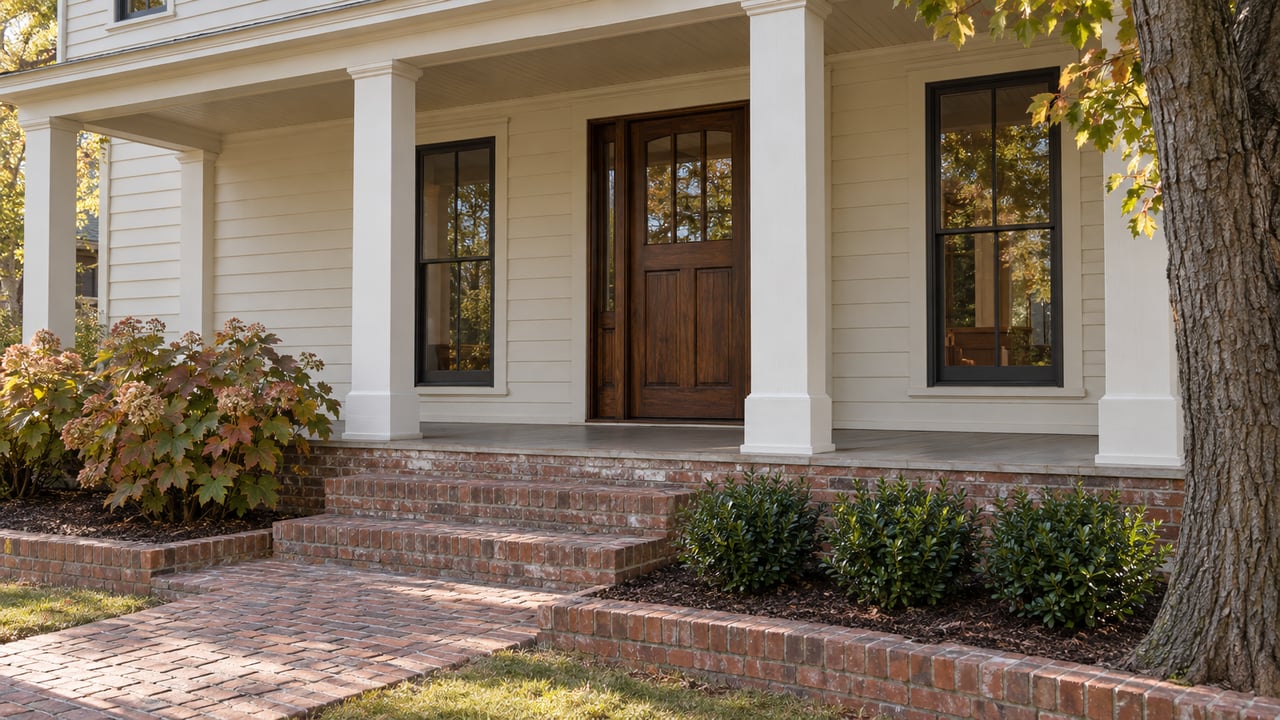
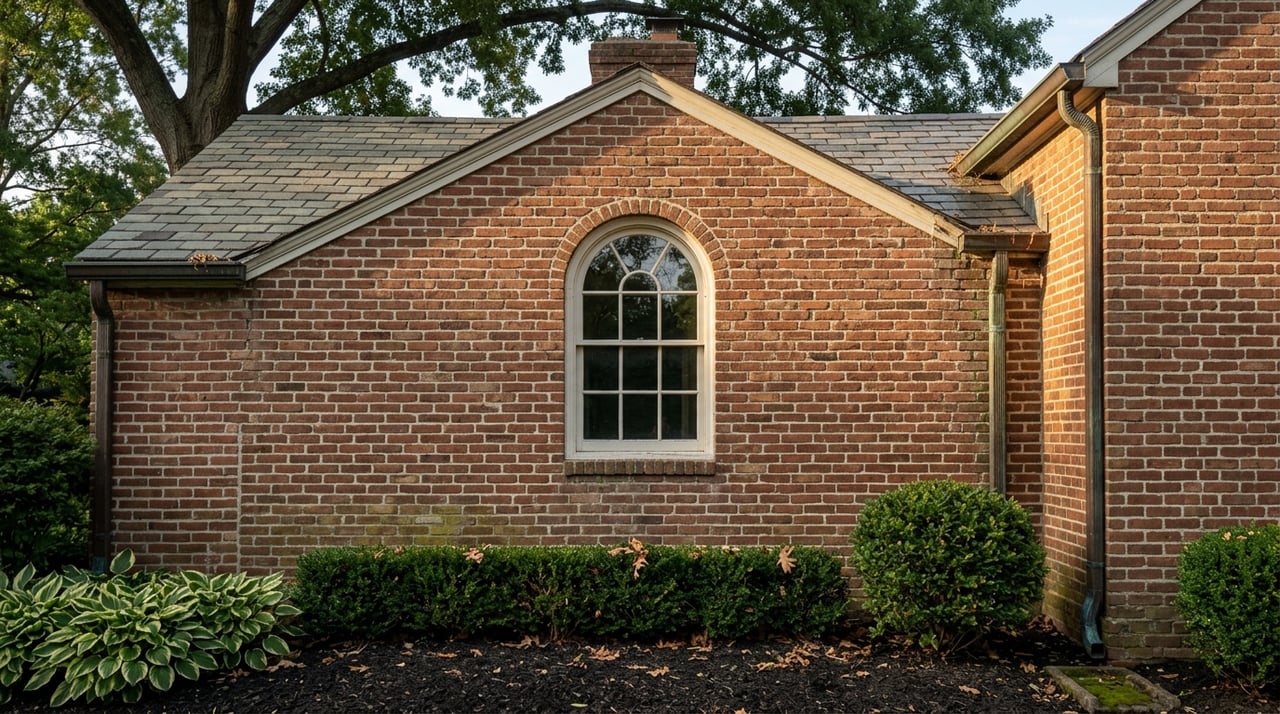
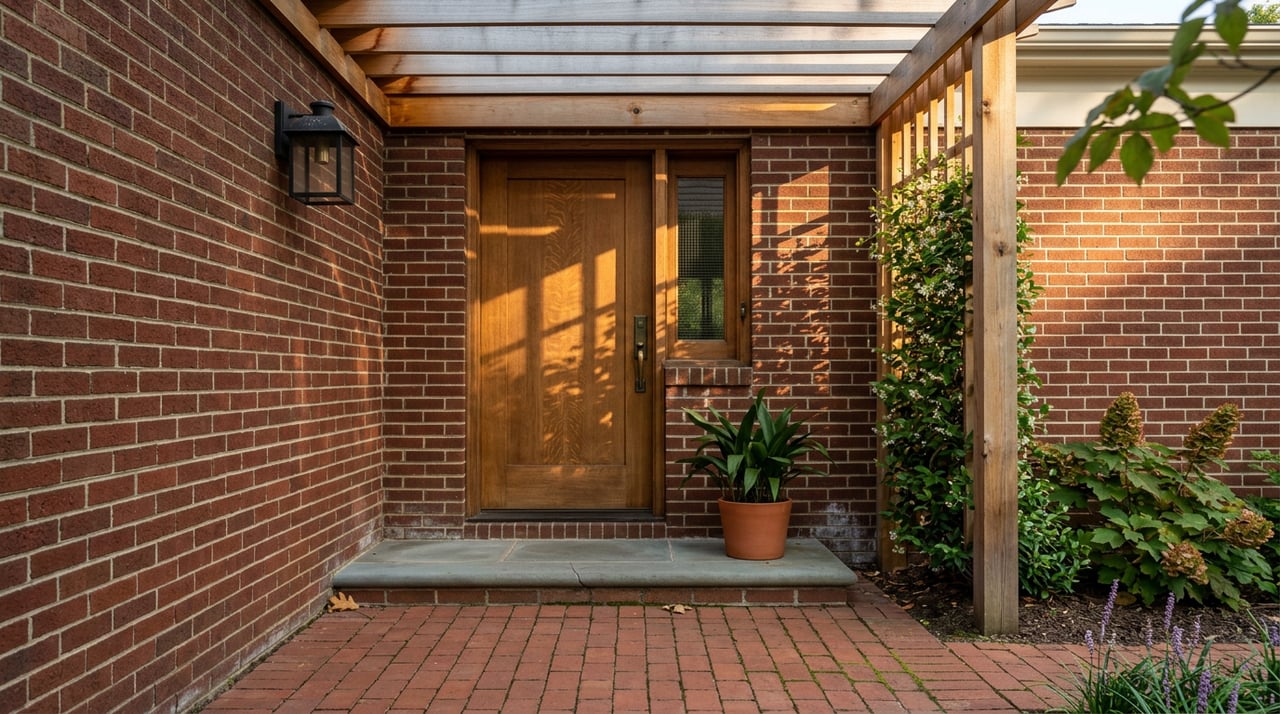
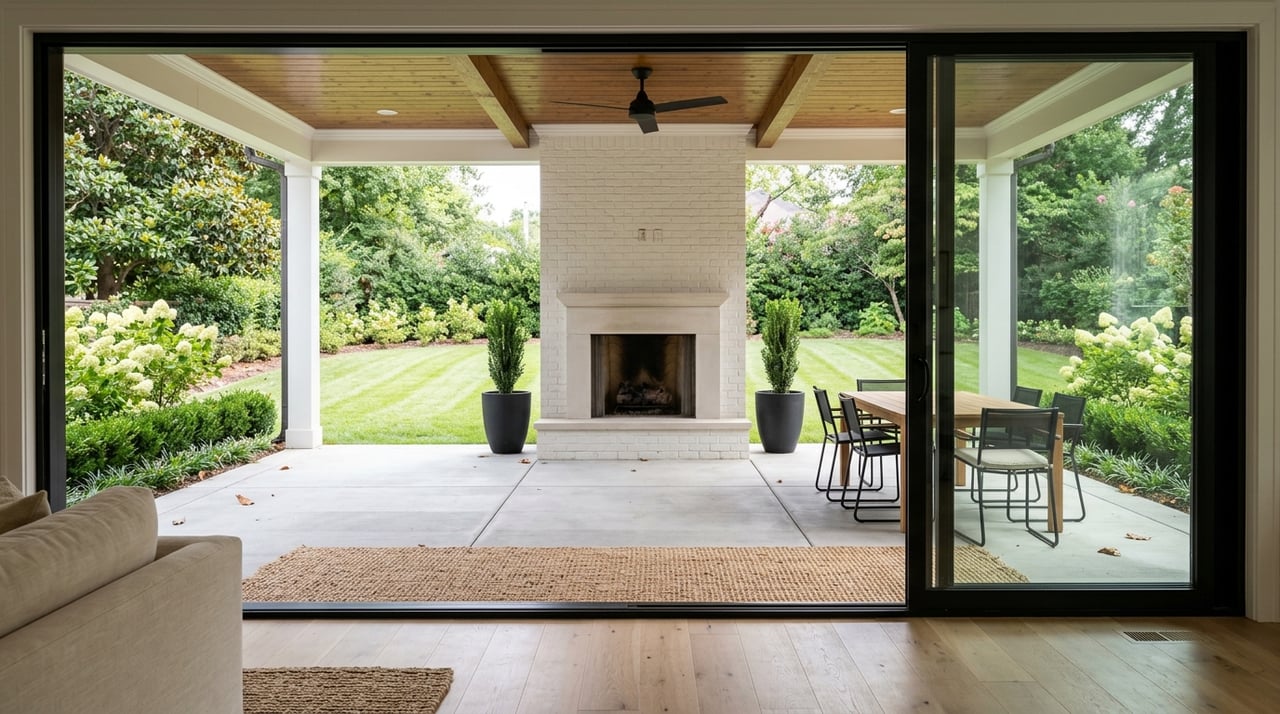
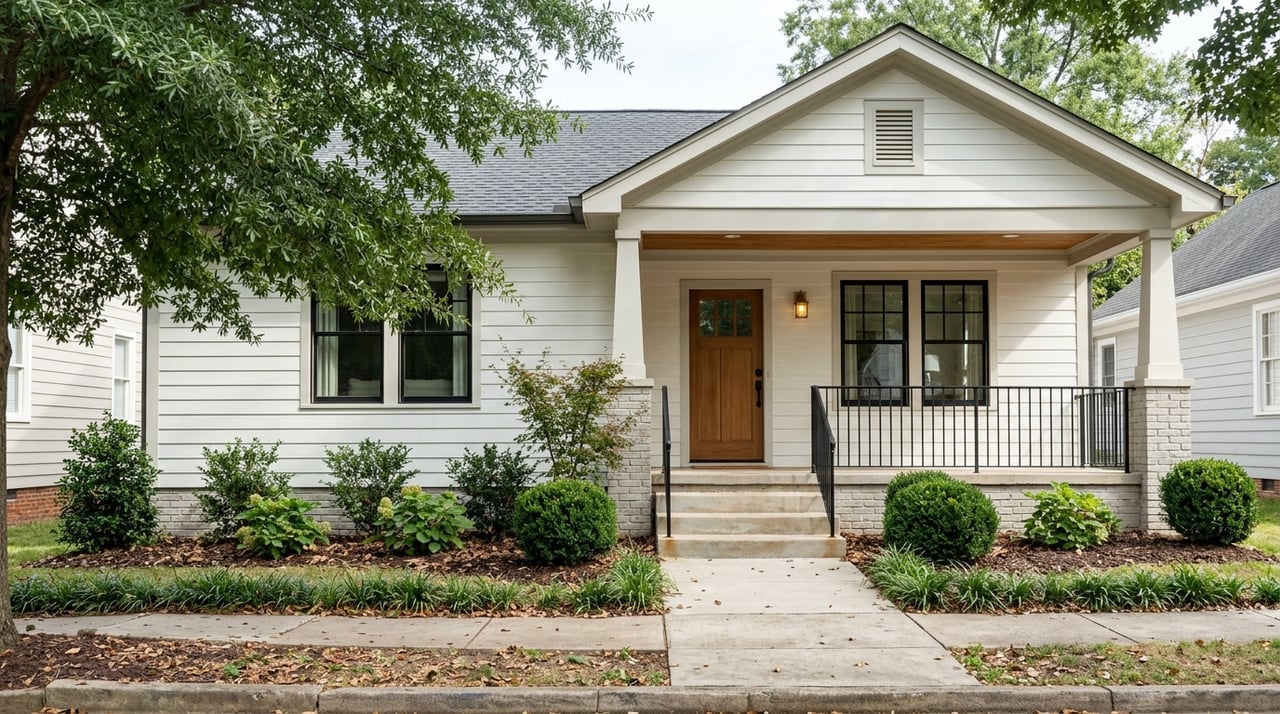
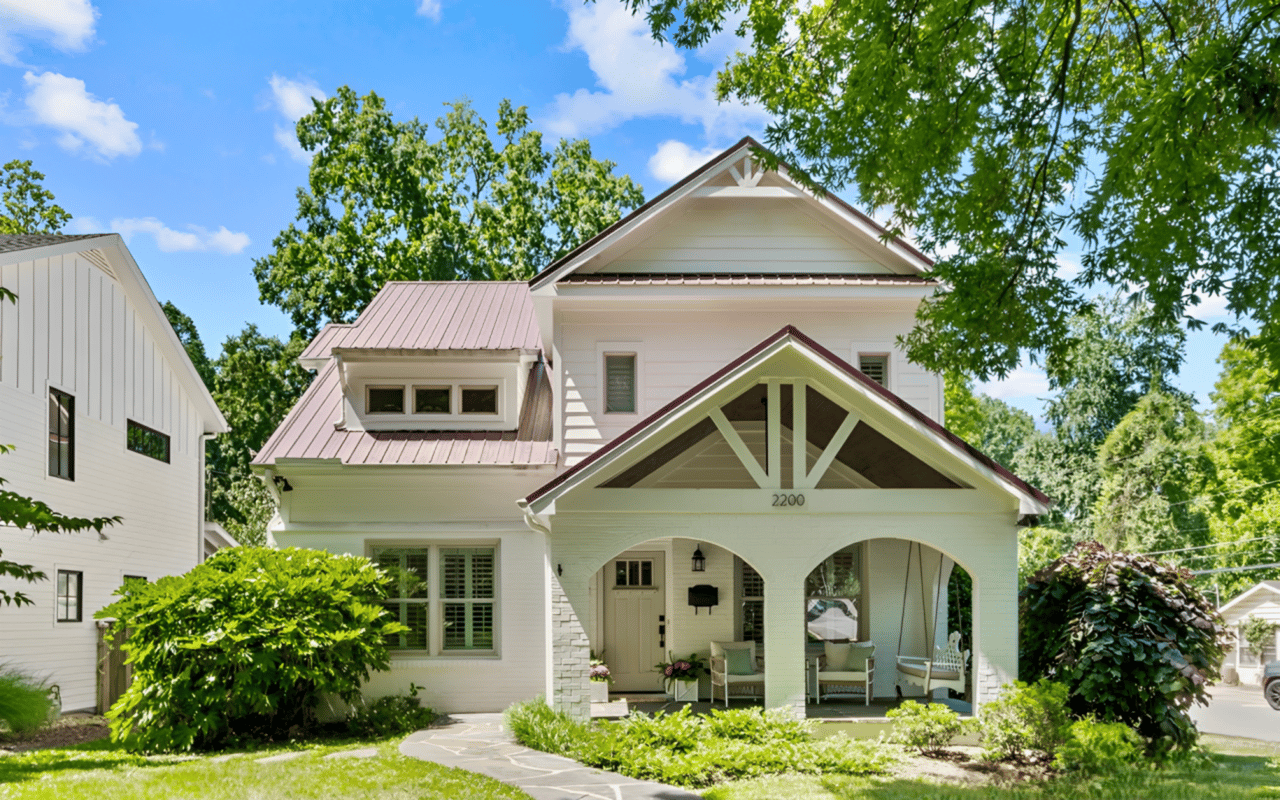
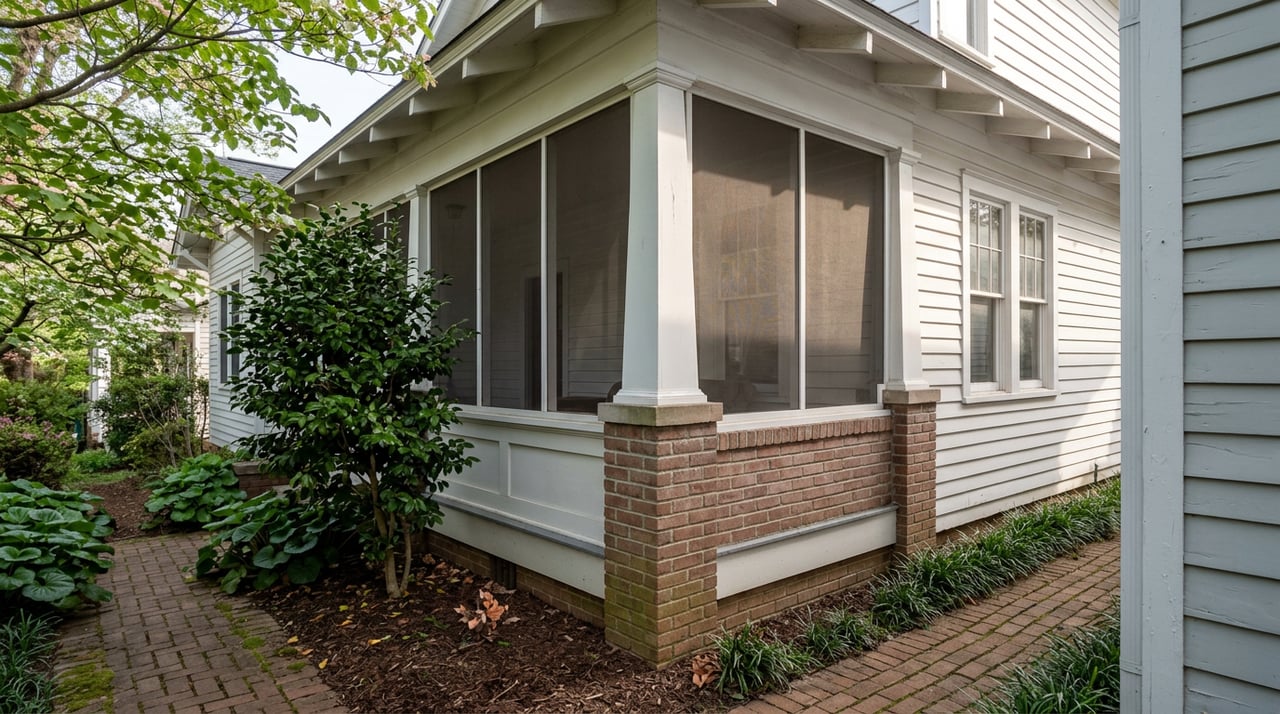
There is the 1920s Craftsman bungalow stock, the reason most people think of Plaza Midwood as a historic streetcar suburb in the first place. That supply is fixed. Nobody is building new 1920s bungalows, and the local sold-data page's own numbers for single-family homes only, at a $1,005,000 median and $474 per square foot over the trailing twelve months, reflects what that scarce category is actually commanding.
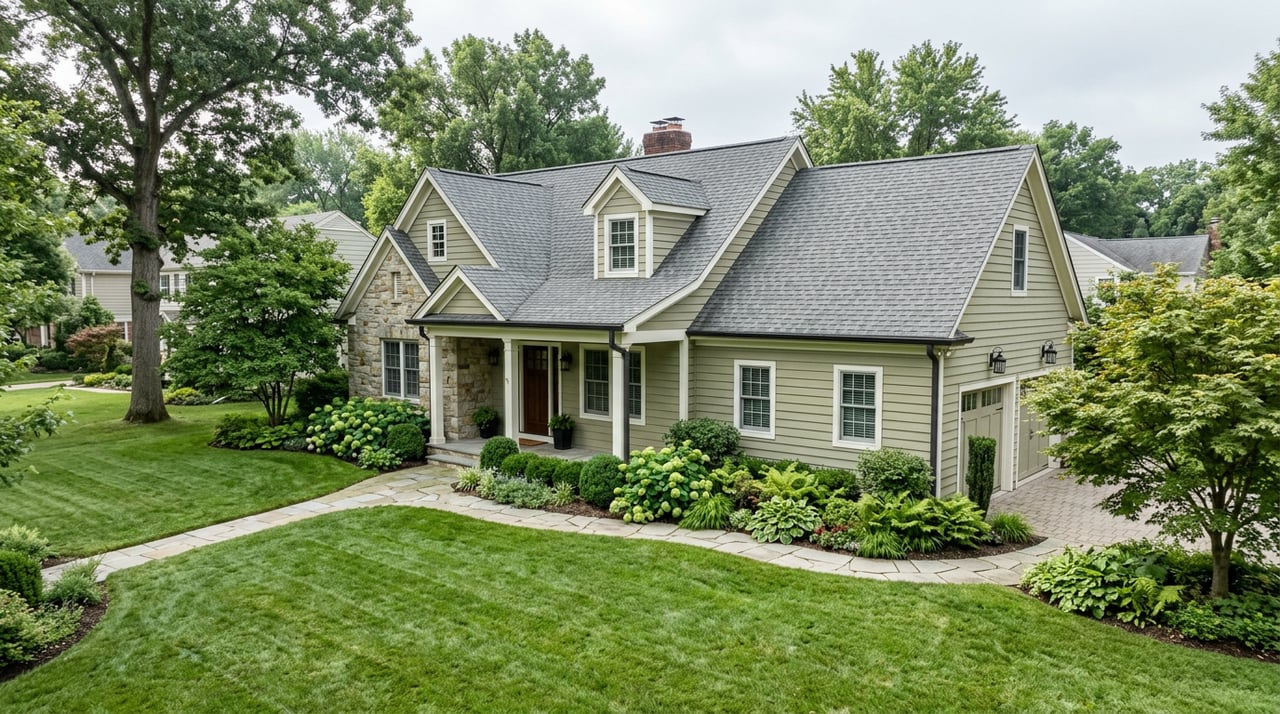
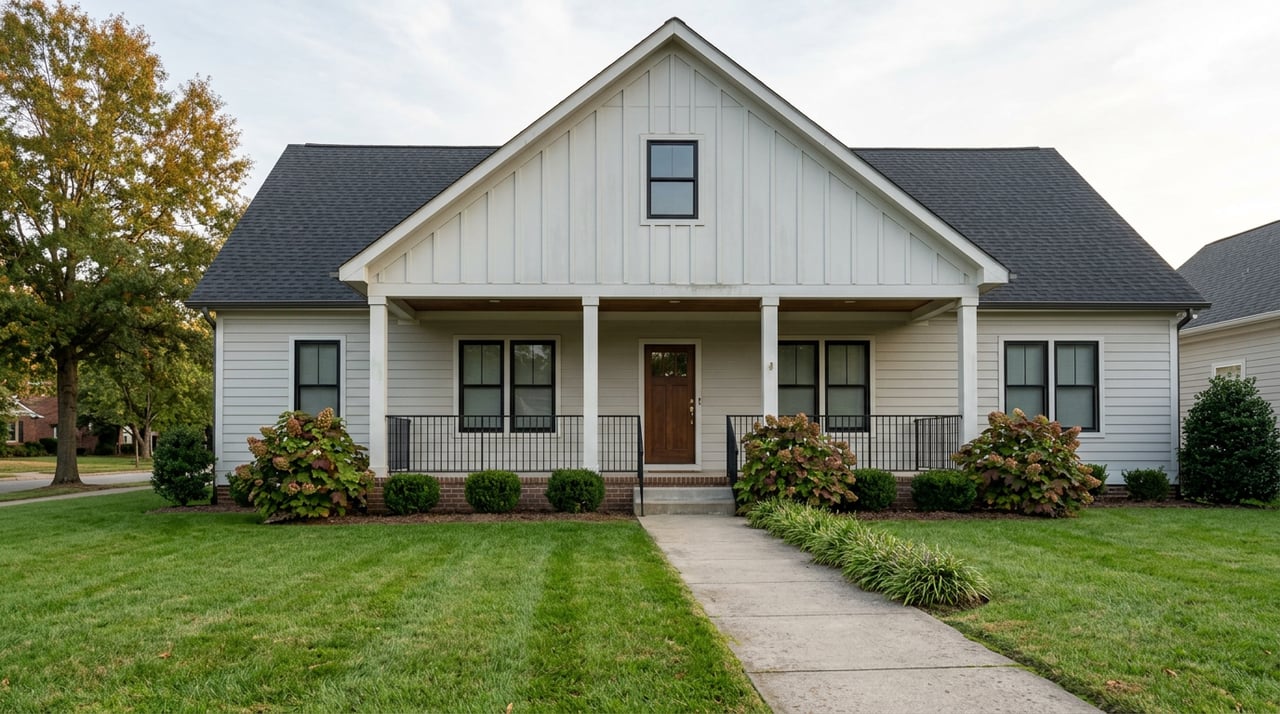
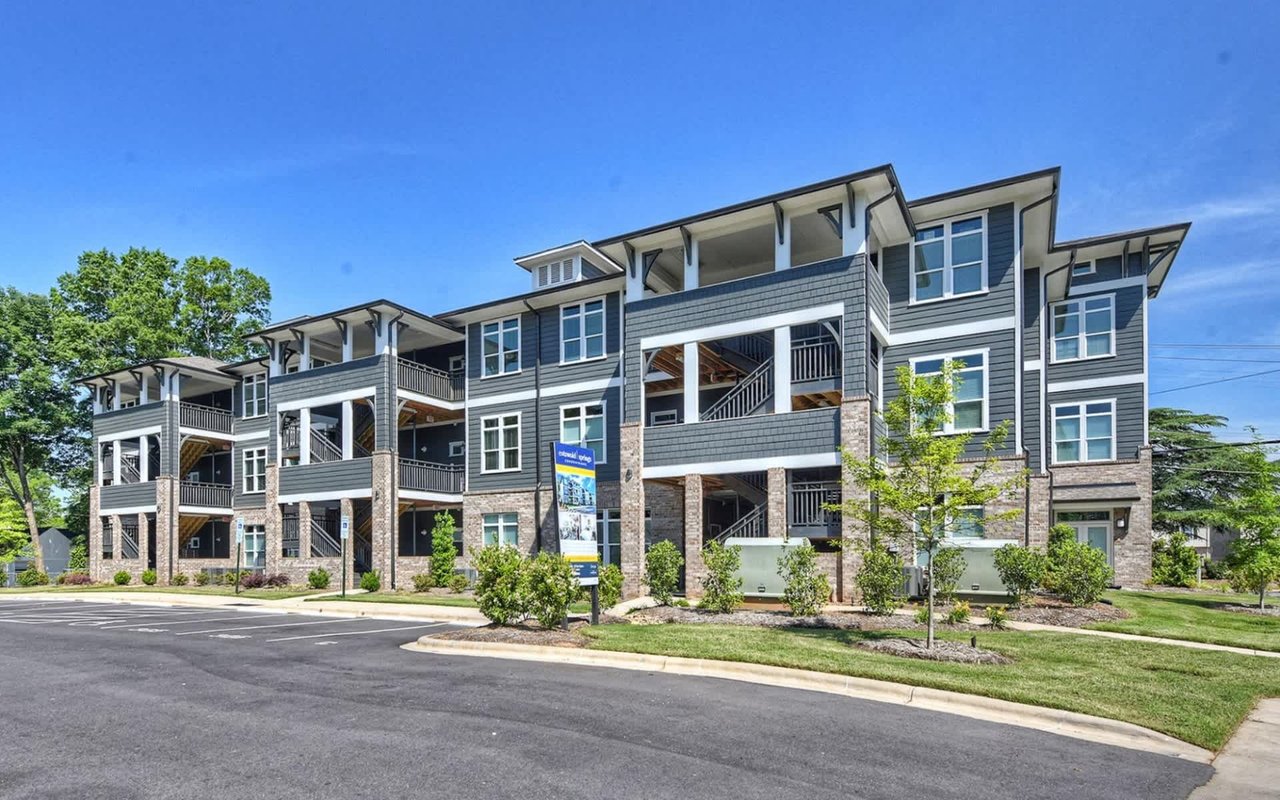
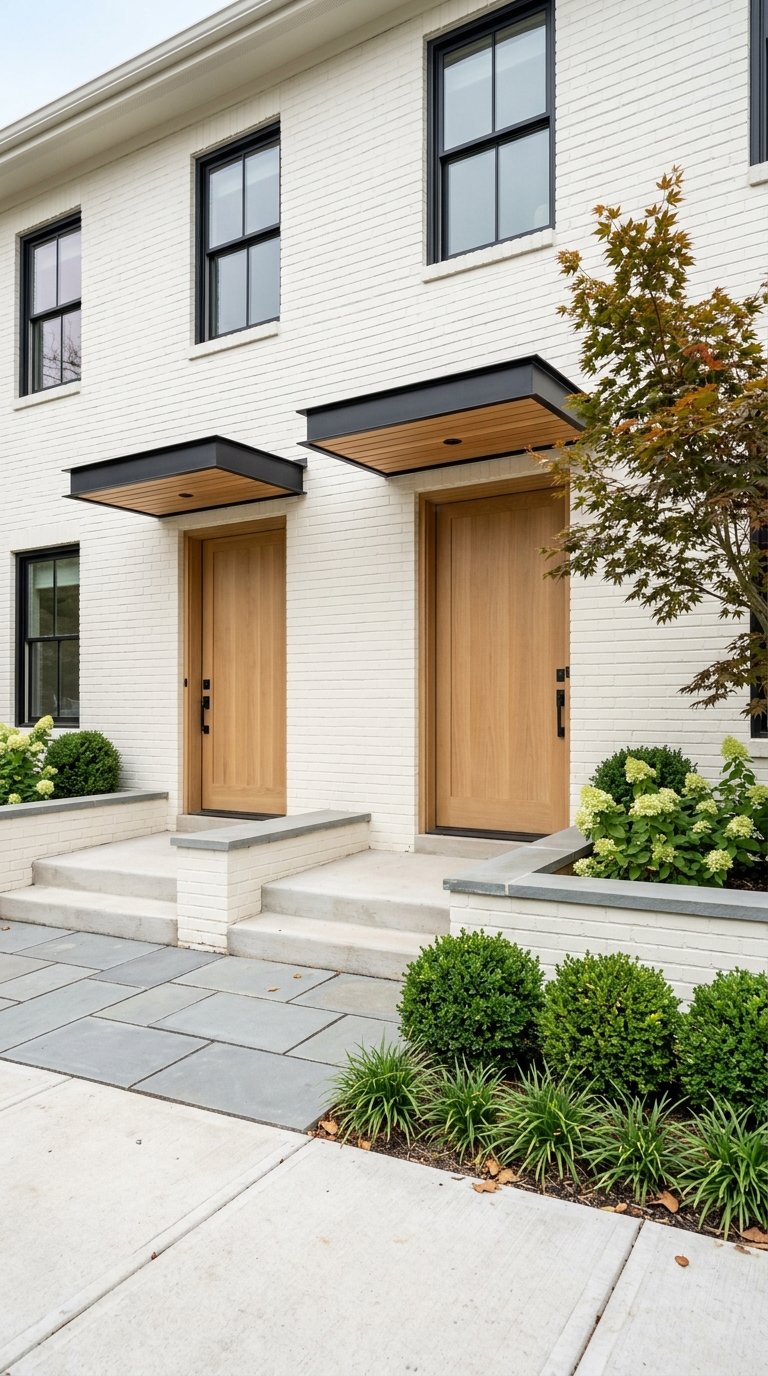
Then there is new infill construction, mostly clustered near the Gold Line and priced as new-build product rather than historic character. Sold-data pages for the broader Midwood subdivision, which fold single-family homes together with condos and townhomes, show closed prices ranging from $350,000 to $2.43 million over the past year, with a typical home size between 700 and 4,700 square feet. The typical year built across that mix comes out to roughly 2003, a striking number for a neighborhood whose identity is still 1920s bungalows. Half the housing stock being measured was built after the turn of this century.
And now there is a third category about to get much bigger: purpose-built multifamily.
Three real projects are changing what closes here
This is not a hypothetical shift. Three specific developments explain why the mix is moving right now.
Barnhardt Manufacturing Company, which has run its cotton-processing operation on Hawthorne Lane for 125 years, filed a rezoning application in May 2026 for roughly 21 of its 35-acre site, seeking to convert the parcel from industrial to Neighborhood Center conditional zoning under Charlotte's 2040 Land Use Plan. That designation opens the door to apartments and retail. CEO Tom Barnhardt has been clear that operations continue as normal for now and no formal development plans exist yet, but the company held a community meeting on the rezoning in June 2026, and a 35-acre assemblage of that size in Plaza Midwood is something Charlotte's urban neighborhoods essentially do not have anymore. Whatever gets built there, if anything, will not be a bungalow.
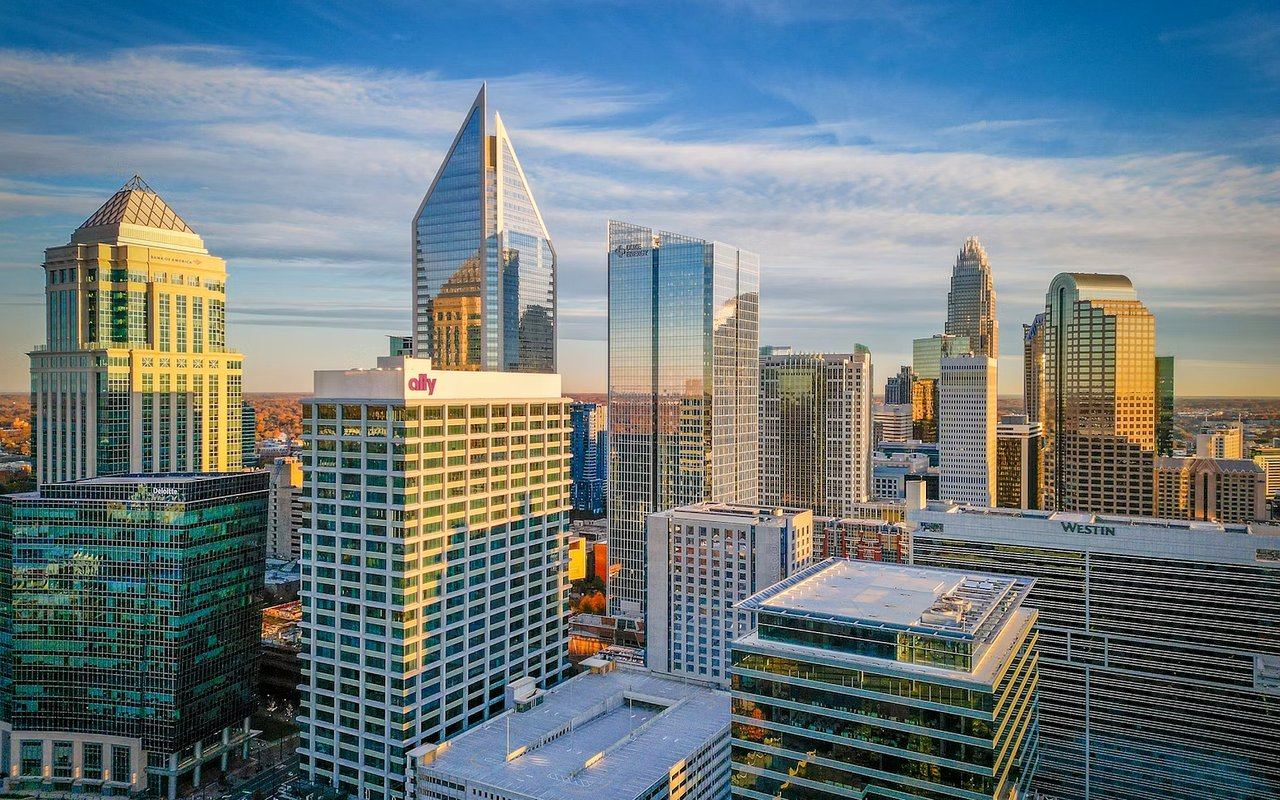
Just down the road, the Commonwealth project has already delivered. Built on 12 acres that used to hold a dated shopping mall at Central and Pecan Avenues, the finished development totals roughly 1.1 million square feet of apartments, a boutique hotel, retail, restaurants, and 400,000 square feet of Class A office space, including adaptive reuse of two former mill buildings on the site. Scout Motors, the Volkswagen-backed EV manufacturer, chose Commonwealth as its Charlotte headquarters. That is new inventory and new daytime population landing in the neighborhood at the same time.
And a third project is about to break ground. Republic Development Group has partnered with New York-based investment firm Esen on a joint venture bringing 370 multifamily units and retail space to Central Avenue, with construction starting in mid-2026. That is a meaningful number of new units entering the sales and rental pool inside a neighborhood whose historic core totals a fraction of that in bungalows alone.
Zoom out one more level and the timing gets more interesting. First-quarter 2026 data from CoStar Group showed the number of apartments developers broke ground on across the entire Charlotte area falling to its lowest point in 11 years. Regionally, multifamily construction is pulling back. In Plaza Midwood specifically, it is accelerating. Capital is not spreading evenly across Charlotte right now. It is concentrating in this corridor.
What this means if you are pricing a specific address
None of this means bungalow values are falling. It means the neighborhood-wide median is a blended number, and the blend is moving because the denominator is changing, not because any one segment is losing ground. A renovated bungalow in Chantilly or Commonwealth is being priced against other renovated bungalows, not against a new 370-unit building three blocks away, even though both show up in the same monthly median.
If a report tells you Plaza Midwood prices moved in a given direction, the useful follow-up question is not "by how much." It's "compared to what mix of properties." A median built from 60 percent bungalows one month and 40 percent the next will move even if nothing about either category actually changed.
For a buyer, this means the headline number is a weak substitute for asking what specific product a given address represents. A bungalow's value case rests on scarcity: there will never be more 1920s Craftsman stock in this ZIP code, and that argument does not weaken just because a large new-construction closing pulls the neighborhood median down that same month. A new-build condo or an infill townhome near the Gold Line, meanwhile, is competing against Commonwealth's product and whatever the Republic and Esen project eventually lists at, not against a 100-year-old house on a quarter-acre lot.
For a seller, it means the comparable set matters more than ever. Pulling three comps that happen to be renovated bungalows and three that happen to be new construction, then averaging them into one number, will produce a figure that describes nothing real. The right comparison set is narrower than it used to be.
Frequently asked questions
Does a falling neighborhood median mean my bungalow is worth less? Not necessarily. A blended median can decline simply because more new-construction or multifamily units closed that month relative to historic single-family sales. Check what the trailing-twelve-month figure looks like for single-family homes specifically before drawing a conclusion about your own property.
Will the Barnhardt site actually become housing? Too early to say. The company has filed a rezoning application and held a community meeting, but as of mid-2026 there is no announced developer, timeline, or unit count. It is worth watching, not yet a number to plan around.
How do I know what "type" my target property falls into for pricing purposes? Year built is the fastest signal. Anything from the 1920s through the 1940s in the historic core is competing in the bungalow segment. Anything built in the last two decades near the Gold Line or Central Avenue is competing against new-construction and condo product instead.
If you are trying to price a specific Plaza Midwood address, or make sense of what a listing near Commonwealth Avenue or Chantilly is actually worth against the right set of comparables, The Laws Collective can walk through the real mix behind the numbers with you. Start the conversation when you are ready.