A buyer touring model homes in Waxhaw this year will run into the same reassuring number twice: once from the builder's on-site rep, and once again if they pull the trailing twelve months of closed sales. New construction in Waxhaw closed at an average of 99 percent of list price and a median of 100 percent over the year ending in April 2026, across 50 closed sales. To most buyers, that reads as a market where nobody negotiates. Sellers ask, buyers pay, done.
That reading is wrong, and it is wrong in a way that costs buyers real money if they don't catch it before they sign.
What the number actually measures
Close-to-list ratio only tracks one thing: the gap between the number on the contract and the number on the sign. It says nothing about what happened before either number existed. In a resale transaction, that's usually fine, because the list price is close to the only price that moves. In new construction, the list price is one line in a much longer document, and it's the line builders protect hardest.
Here's what the trailing-12-month Waxhaw data actually shows, alongside the number everyone quotes:
| Metric (12 months ending April 2026) | Figure |
|---|---|
| New construction homes closed | 50 |
| Average sale price | $736,623 |
| Median sale price | $807,011 |
| Average price per square foot | $227 |
| Median price per square foot | $248 |
| Average close-to-list ratio | 99% |
| Median close-to-list ratio | 100% |
| Typical size range | ~2,700 to 4,000 sq ft |
| Typical lot size | ~1/3 acre |
Read the last two rows against the ratio in the first table. A close-to-list ratio pinned at 100 percent while price per square foot still varies by more than $20 across the sample tells you the base price is not where the deal gets made. Builders are holding the sticker steady. The negotiation happened somewhere the ratio doesn't measure.
Where the actual negotiation happens
In a Waxhaw or Weddington new-build contract, the base price on the community website is a starting point, not a quote. What actually determines your out-the-door number is a stack of variables that never touch the "list price" field in MLS:
- Lot premium. A homesite backing to trees, a corner lot, or a walkout basement lot can add tens of thousands before a single upgrade is chosen.
- Structural options. Extending a garage, adding a bonus room, or shifting a floor plan's footprint is priced as a structural change, not a finish.
- Design-center upgrades. Cabinets, countertops, flooring, and trim packages are selected after contract and often represent the single largest swing in final price.
- Closing-cost incentives tied to the builder's in-house lender. Many national builders will cover a meaningful chunk of closing costs, but only if you finance through their affiliated lender. Decline the lender and the incentive usually disappears with it.
None of these show up when someone compares a home's list price to its close price. They show up on the buyer's settlement statement, and by then it's too late to negotiate them.
The person in the model home works for the builder
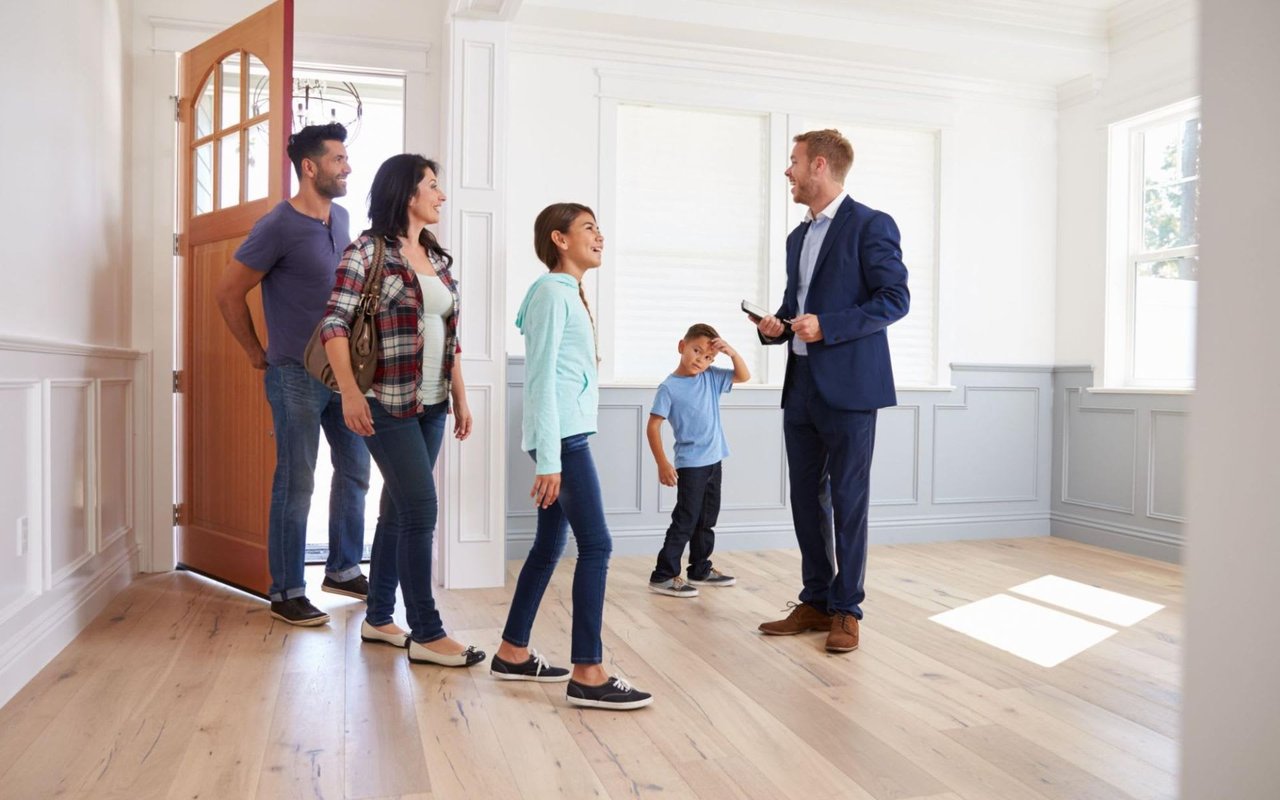
Every builder community in this corridor stages the same first interaction: a friendly on-site sales rep, a decorated model, a stack of floor plans. What buyers routinely miss is who that rep represents.
The on-site agent is the builder's agent. That's true whether the community is a Toll Brothers development, a David Weekley community, or a smaller regional builder's project. Their job is to sell the builder's inventory at the builder's terms, and they're good at it.
Bringing independent buyer representation on the first visit costs a buyer nothing in most Waxhaw builder contracts, because the builder is already budgeting for a co-broke commission. The catch is timing. Most builders will not add a buyer's agent to a contract after that first unaccompanied visit. Walk in alone to "just look," and you may have permanently closed the door on having someone in your corner during the lot premium and design-center negotiation that follows.
The same list price means different things depending on who's building
Part of what makes the Waxhaw close-to-list number misleading is that it flattens three very different negotiating environments into one figure.
National production builders, the kind building communities like Toll Brothers' The Bluffs at Wesley Chapel or David Weekley's Encore at Streamside, run a tight rotation of floor plans and a large sales volume. Their pricing is systematized: incentives are published, lender tie-ins are standard, and the room to negotiate outside that system is small. What you're negotiating is which incentive package applies to you, not whether one exists.
Regional and attached-product builders, including communities like Eastwood Homes' Blythe Mill Townhomes, tend to have fewer active projects running at once, which can mean more flexibility on timing and a tighter relationship with the trades finishing your home, but a narrower incentive menu to work with.
Custom builders, the ones behind gated, large-lot projects like Stevens Country Estates or Goodwin Custom Homes' work at Cane Manor, don't publish an incentive schedule at all. Nearly everything is negotiated directly: the lot, the structural allowances, the payment schedule. The 100-percent close-to-list figure barely applies to this tier, because "list price" on a proposed custom build is closer to a placeholder than a firm number.
Knowing which category a community falls into before you tour it changes what you're actually negotiating for.
The line item that shows up after the number you budgeted for
New construction buyers in this corridor also run into a second gap between the quoted price and the real one, and it has nothing to do with the builder. Homes in an HOA community, which describes most of the newer product in Waxhaw and Weddington outside a handful of no-HOA custom lots, carry closing costs that never appear in the sale price at all.
A one-time HOA transfer fee, typically $100 to $500 and most commonly landing around $200 to $250, covers the administrative work of moving ownership records to the new buyer. Separately, many communities charge a capital contribution, often equal to two or three months of dues, that goes into the association's reserve fund rather than to the management company doing the paperwork. Add a resale disclosure package fee, usually $100 to $250, and a buyer can be looking at $1,000 or more in HOA-related charges that show up on the settlement statement but never appeared anywhere in the listing.
None of this is unique to new construction. But it compounds with it, because a buyer already tracking lot premiums, structural options, and design-center allowances is the same buyer least likely to have budgeted for a third, unrelated stack of fees arriving at the same closing table.
What this means if you're comparing new construction to resale
A close-to-list ratio near 100 percent is real, and it tells you something true: builders in this corridor are not discounting their base price. What it doesn't tell you is whether you're getting a good deal, because the deal was never in that number to begin with. It was in the lot you picked, the options you chose, the lender you financed through, and the community's fee structure, all negotiated before that final price ever hit the MLS.
If you're weighing a new build in Waxhaw or Weddington against a comparable resale, the useful comparison isn't list-to-close ratio at all. It's total cash to close, all-in, against a resale home's price plus its own closing costs and any repairs an inspection turns up. That's a harder number to find on a builder's website, but it's the only one that actually tells you what you're paying.
Frequently asked questions
Does a 100 percent close-to-list ratio mean I can't negotiate on a new build in Waxhaw? It means the base price is unlikely to move. It doesn't mean the total cost is fixed. Lot premiums, structural options, design-center packages, and lender-tied incentives are all still on the table, even when the headline price isn't.
Do I need my own agent if I'm buying directly from a builder? The rep in the model home represents the builder, not you. Bringing independent representation on your first visit typically costs you nothing, since builders generally budget for it, but most won't add an agent to your contract after an unaccompanied first tour.
Are HOA fees the same across every new community in this corridor? No. Some newer construction sits on no-HOA lots, particularly larger custom homesites in Weddington. Most production and attached-product communities do carry HOA dues, plus one-time transfer and capital contribution charges at closing that vary by community and aren't reflected in the sale price.
If you're weighing new construction against resale anywhere in the Ballantyne, Weddington, or Waxhaw corridor and want help pricing out the total number rather than just the list price, The Laws Collective is a good place to start the conversation.