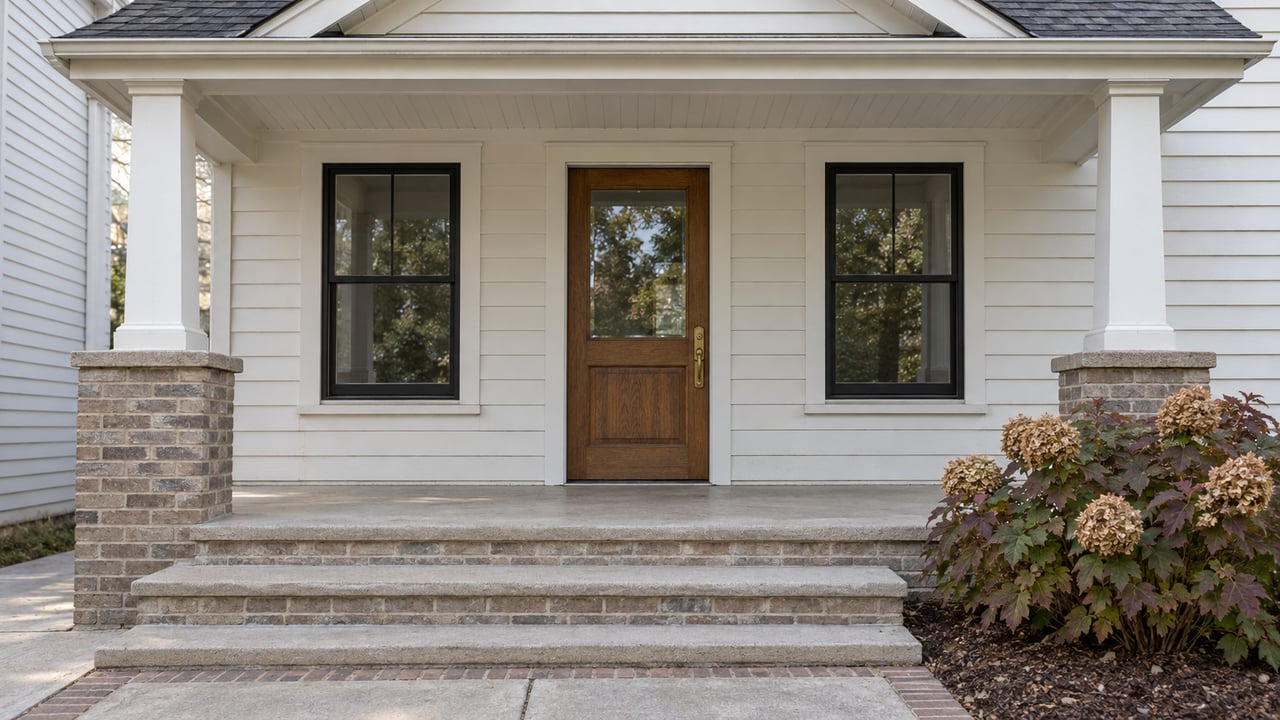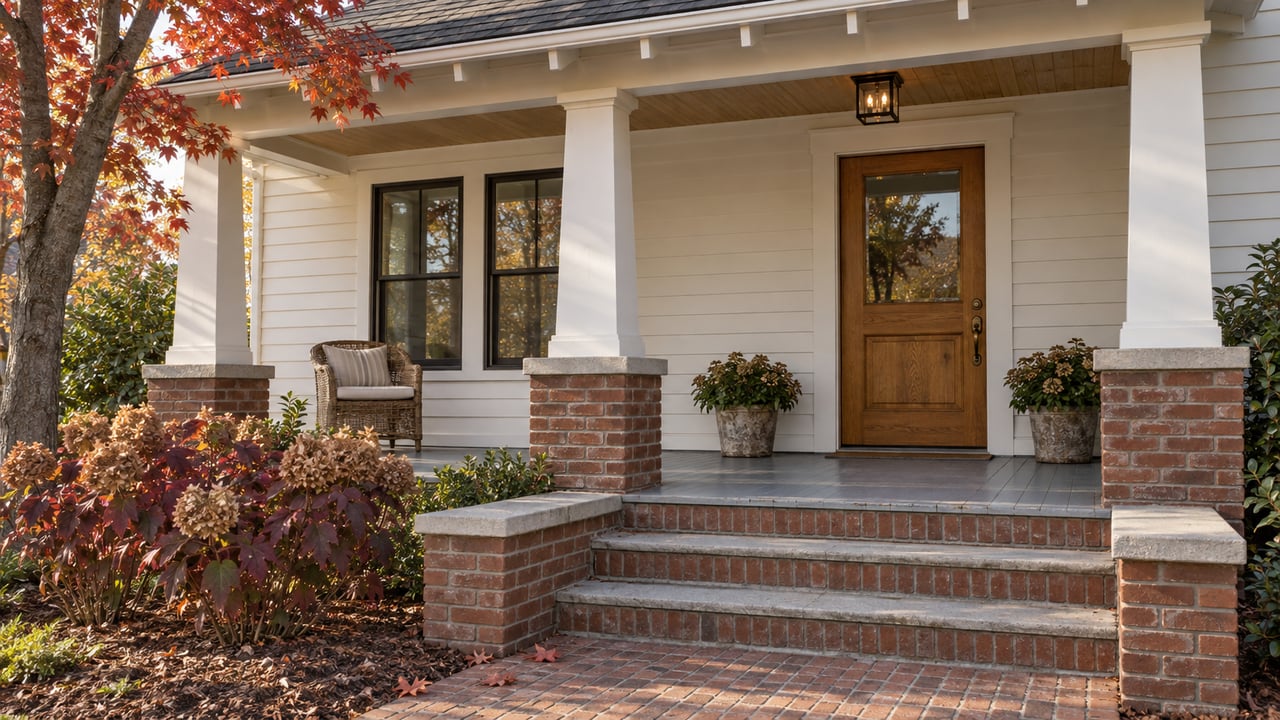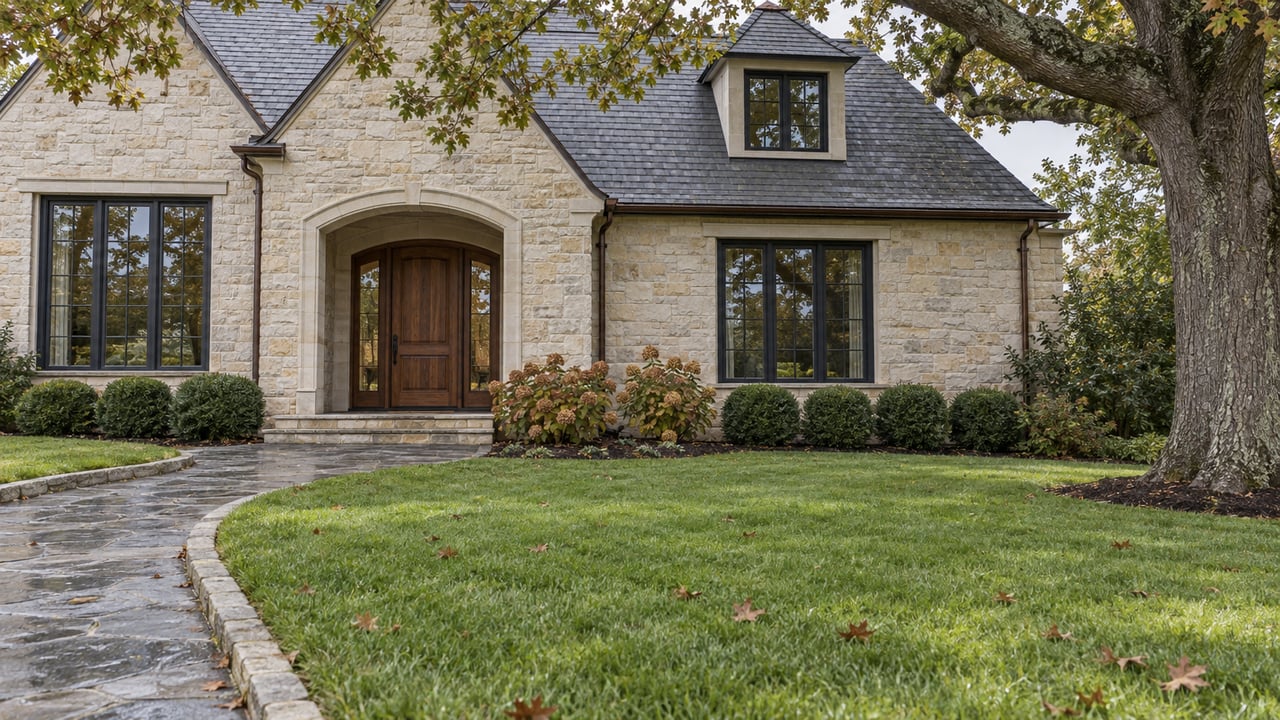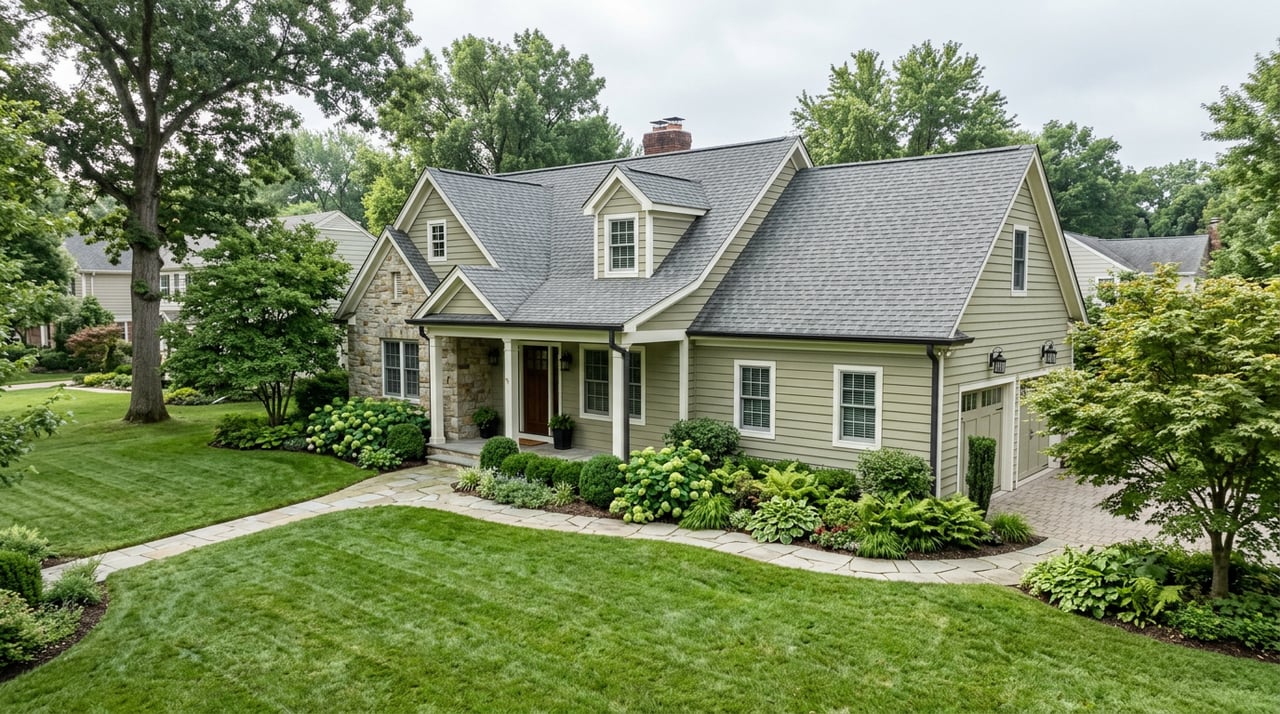
Ballantyne Country Club dates to 1996, and most of its custom and semi-custom homes were built over the following decade. A house finished in 2000, roughly the middle of that stretch, turns 26 this year. That is about the typical age of a home you will tour in Ballantyne Country Club this fall, and some of the earliest homes are approaching 30.
The golf course and the club give the community its name, and both are optional purchases. The one thing every buyer takes on is a house whose exterior has been weathering south Charlotte summers for 20 to 30 years. A few hundred dollars of inspection work tells you more about the price you should pay than any other line in the deal.
The club is a separate purchase
Owning a home in Ballantyne Country Club does not make you a member of the club. Membership is optional and separate from the homeowners association. Ballantyne Country Club describes itself as private and member-owned, established in 1996. It has three membership categories. Full Privilege covers golf, racquet sports and social amenities with no green or court fees. Racquet Sports covers unlimited use of the tennis and pickleball facilities. Social covers the pool and swim team, dining and the club's social events. The club does not post prices on its public pages. Initiation and monthly figures come from the club's current membership packet, and that is where to get them.
This changes how you compare homes within the community. Two houses on the same fairway may be bought by a Full Privilege golfer and a household that never joins. The club decision can wait until after closing. The condition of the house is settled the day you close.
The HOA is what every owner shares
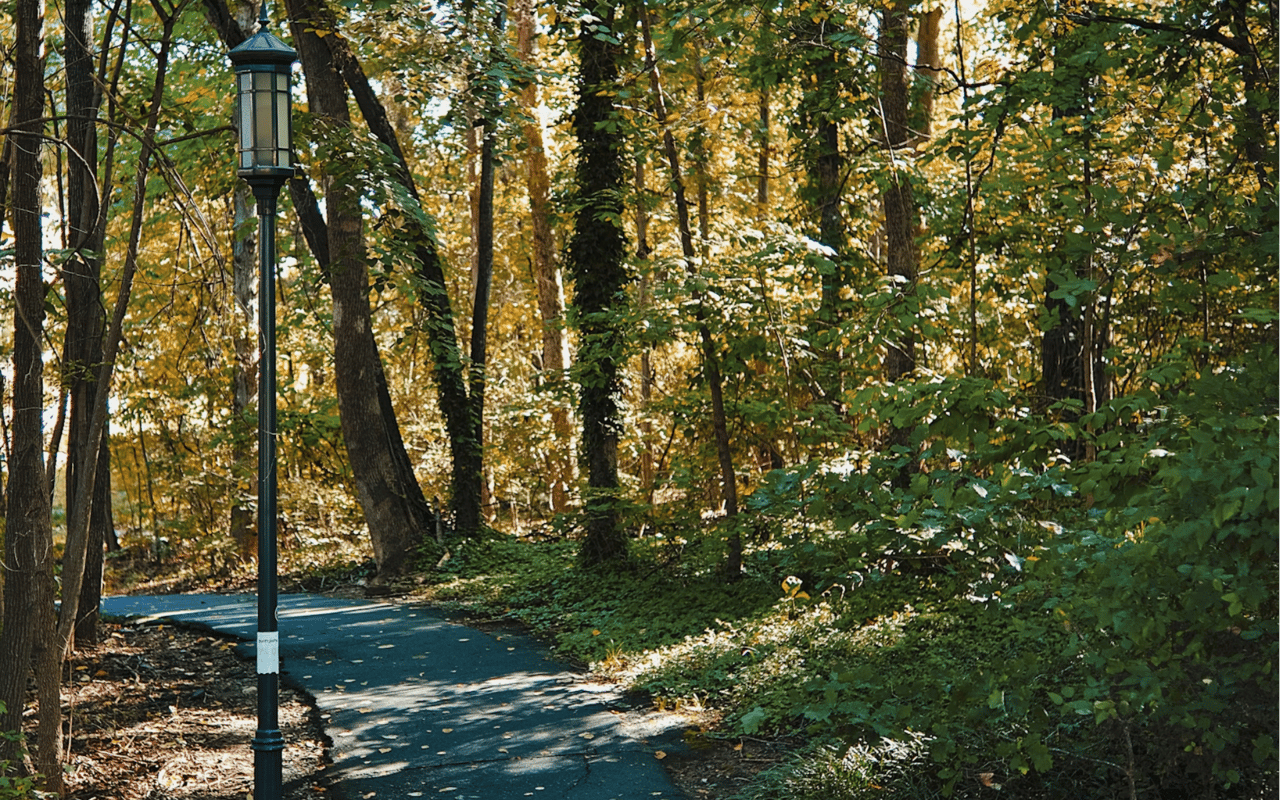
The Ballantyne Residential Property Owners Association, known as BRPOA, covers 825 homes, four parks and two miles of walking trails, 15 miles from Uptown. According to the BRPOA resident portal, the trails have been rebuilt over the past five years as wider pervious-concrete paths. That kind of reinvestment is what association dues pay for. Because the assessment can differ from one section to another, confirm the current amount for the specific property before you write an offer. One small maintenance-free section, for example, carries an extra yard-care fee.
The HOA maintains the trails, parks and ponds that every owner shares. It does not maintain the walls of your house.
What the houses are made of
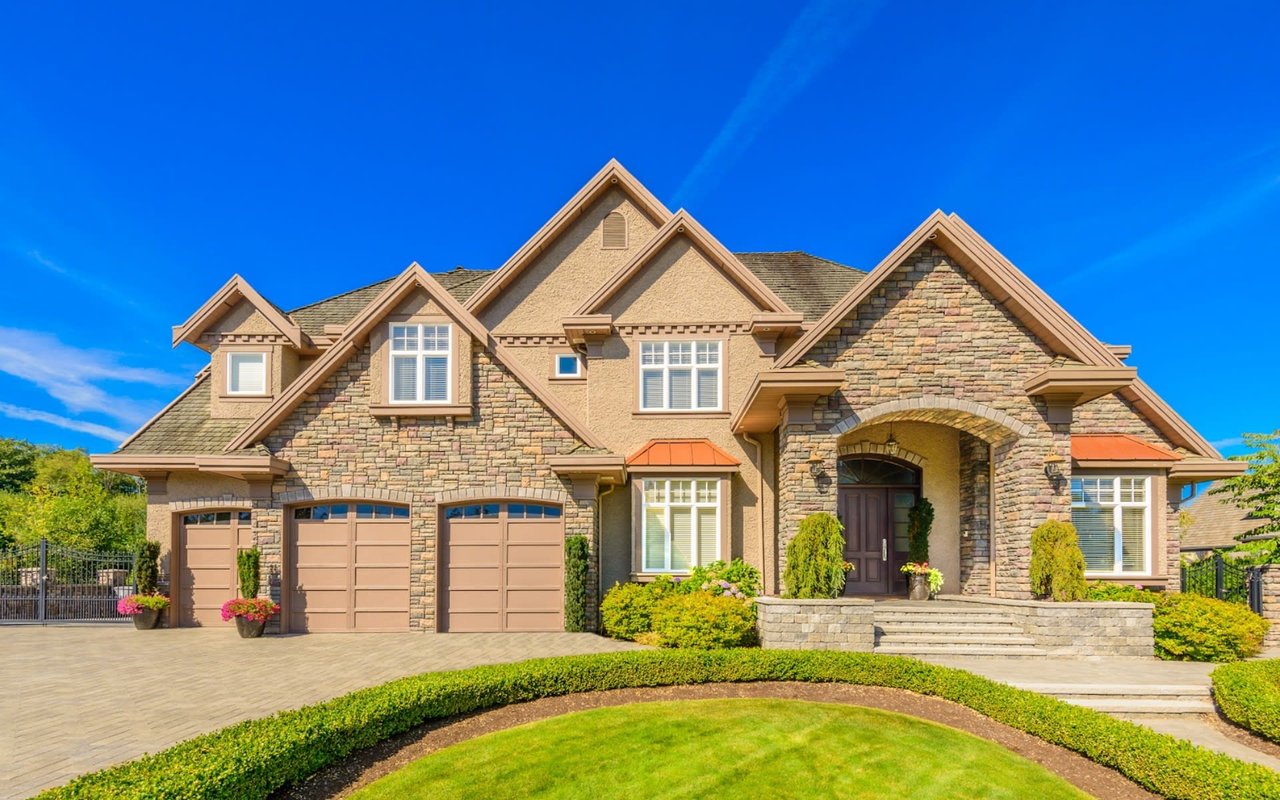
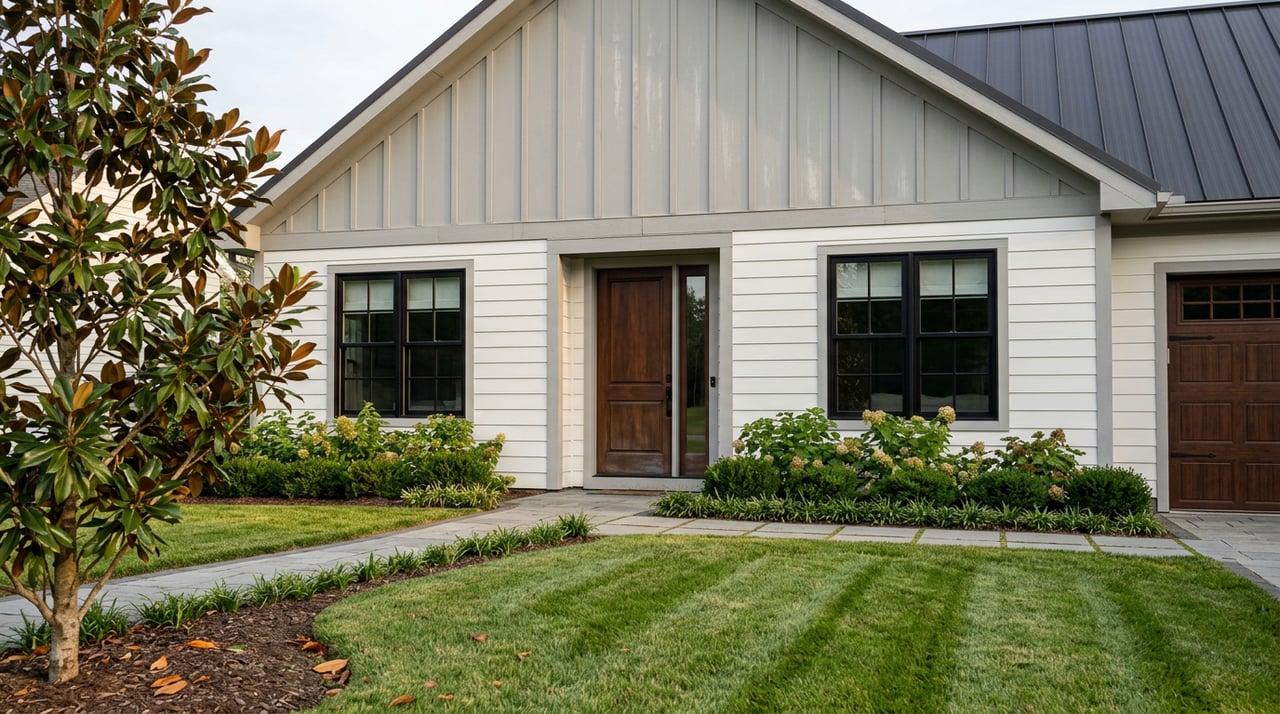
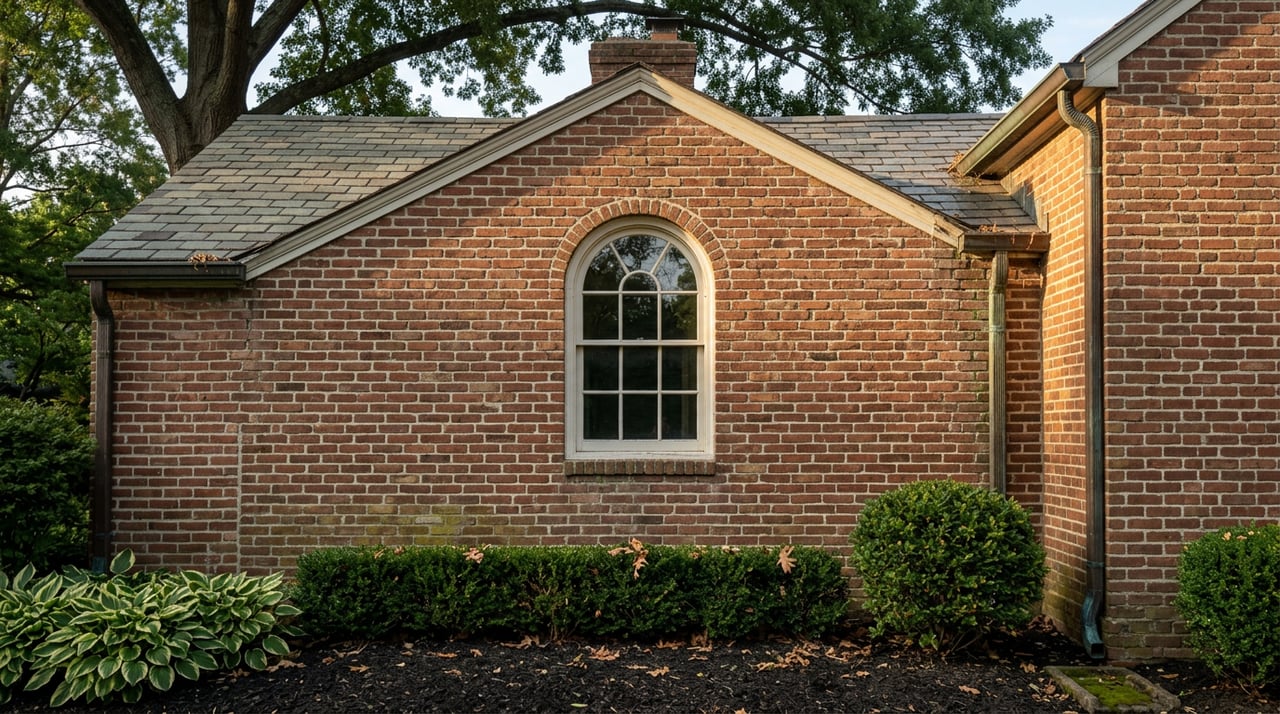
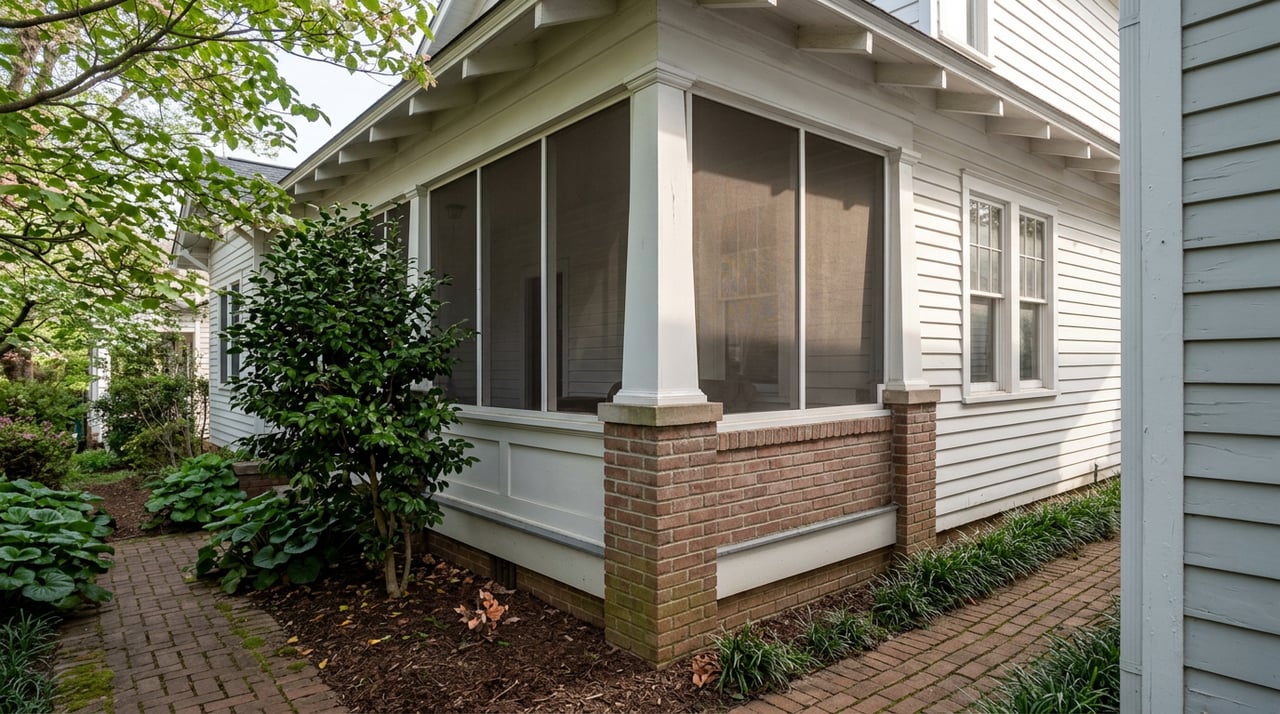
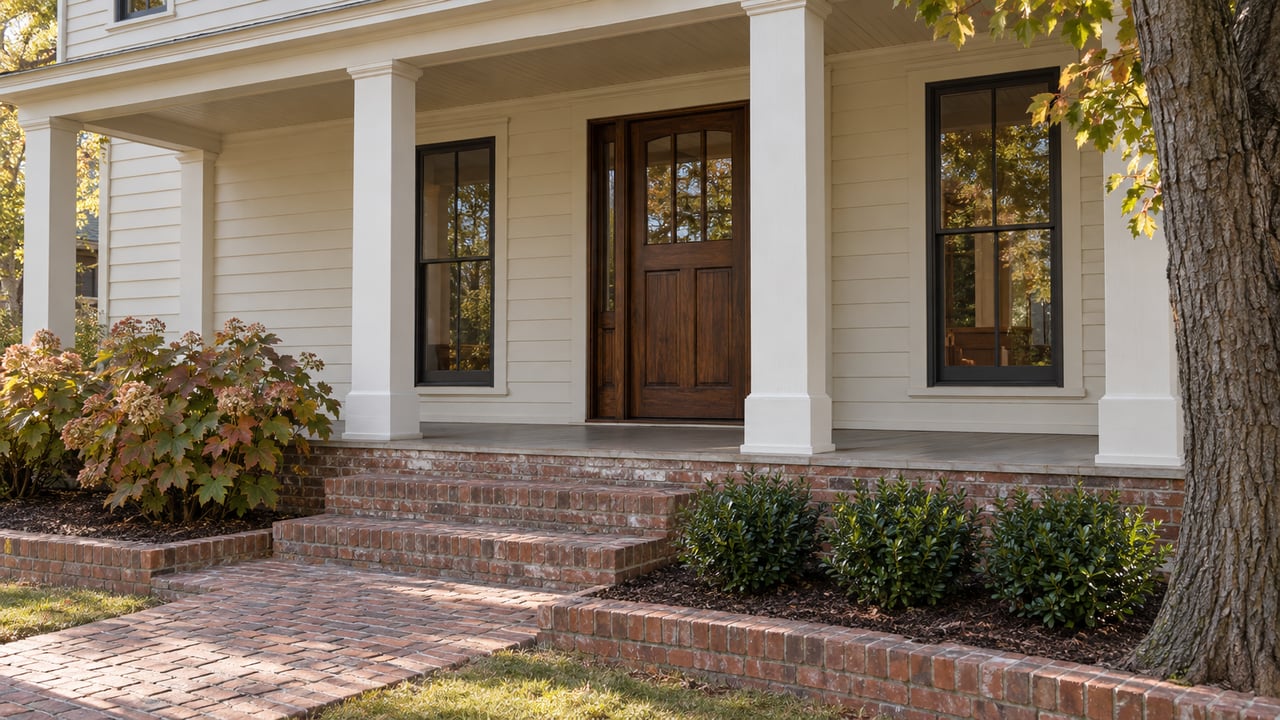
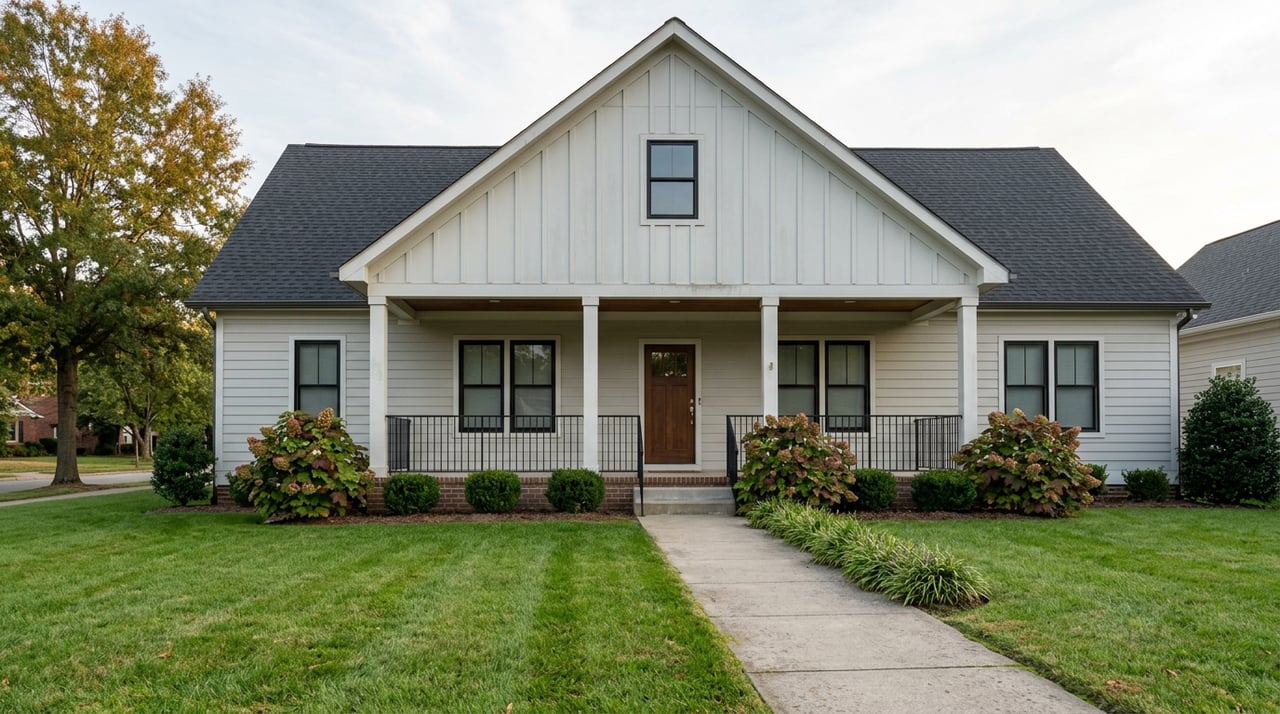
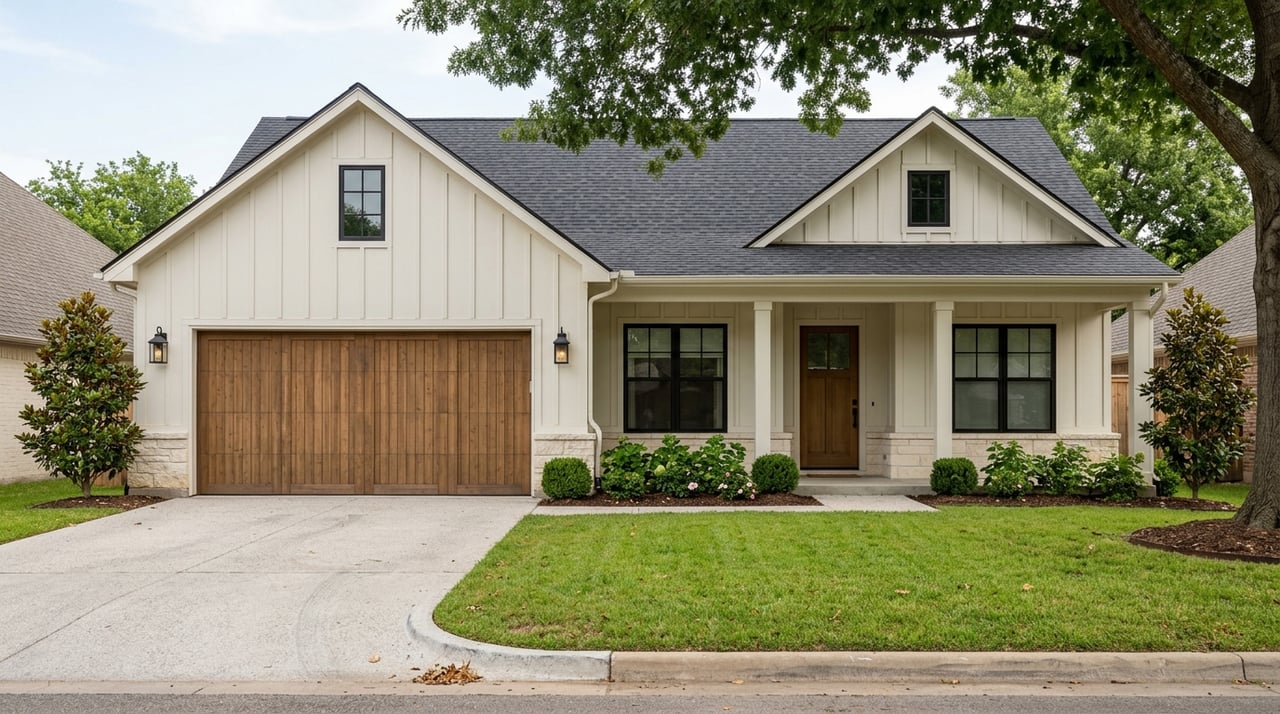
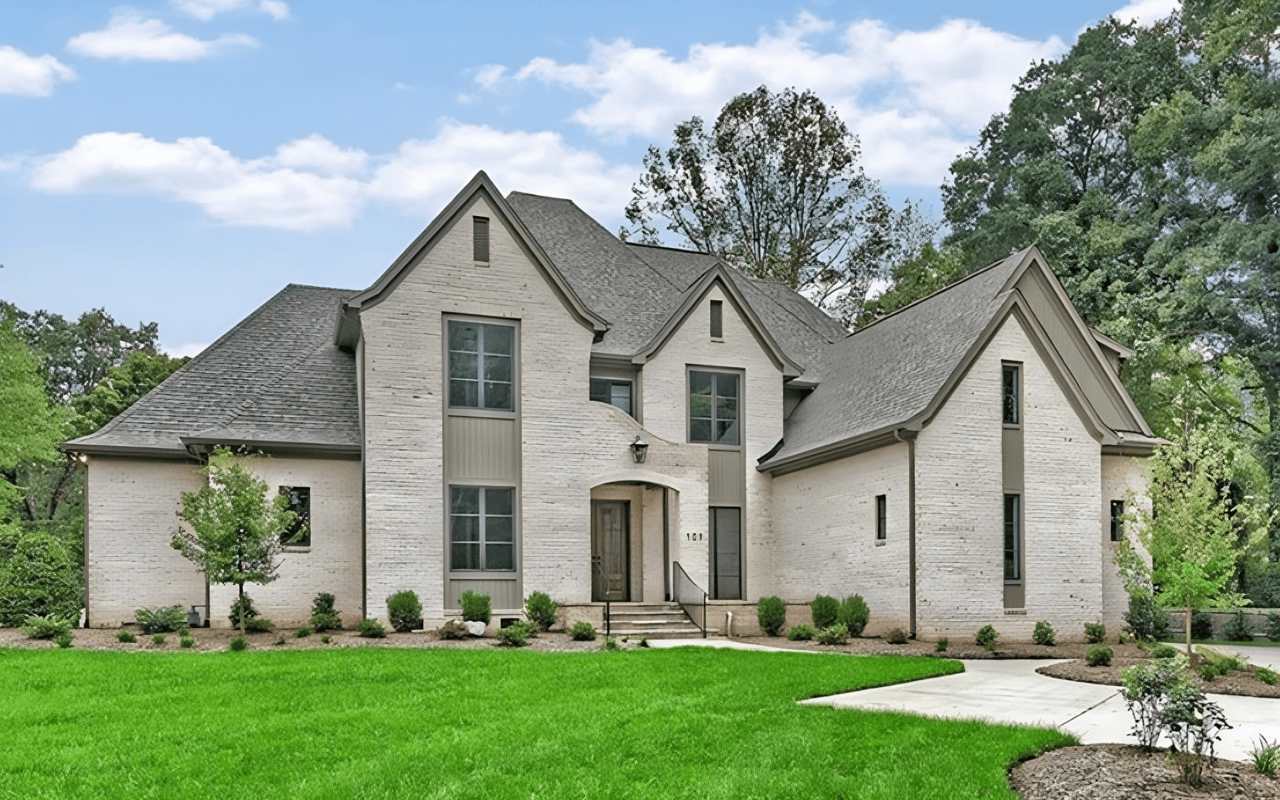
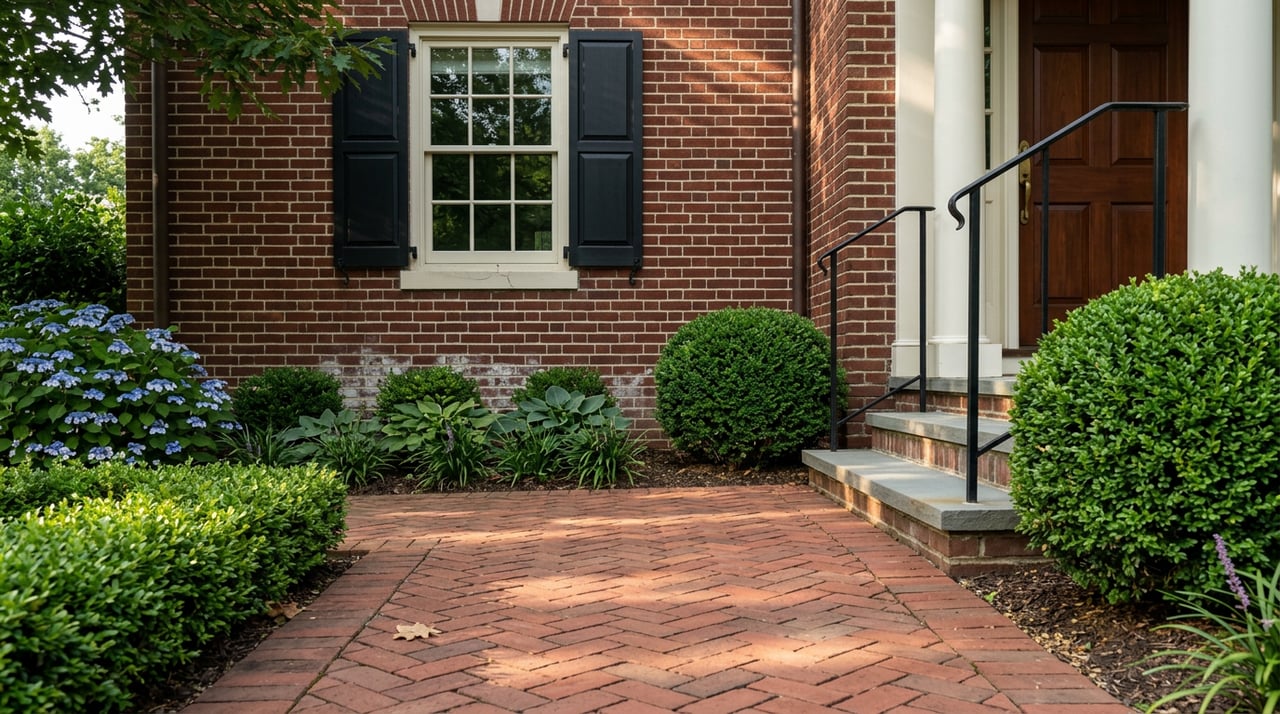
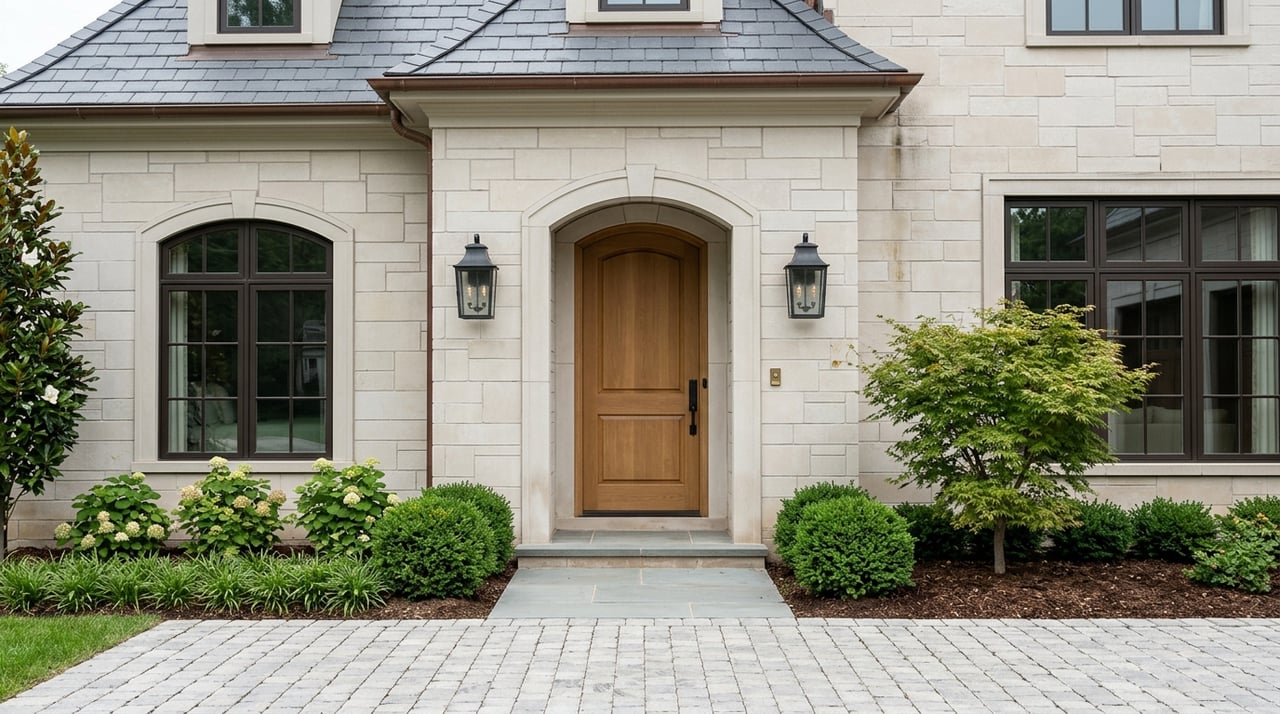
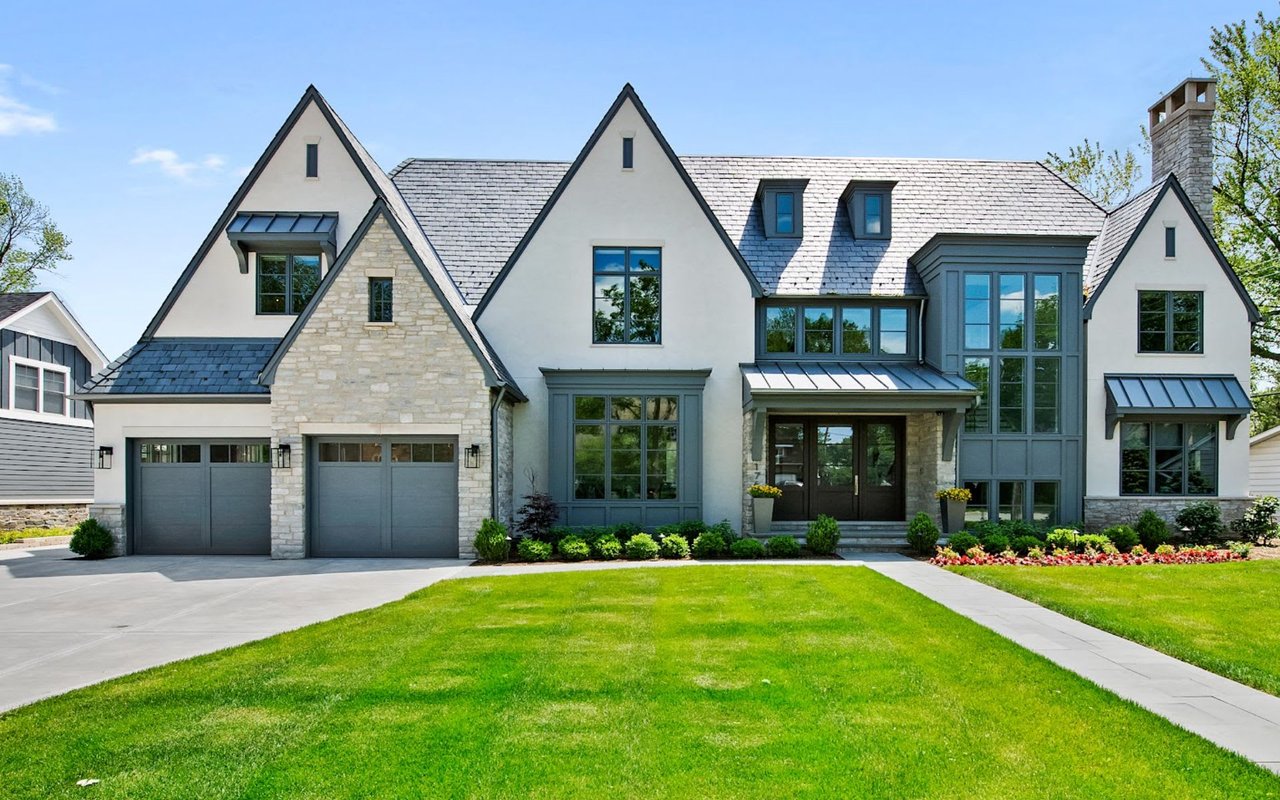
Most homes here run about 3,500 to 7,000 square feet on lots averaging just under half an acre. A few estates top 9,000 square feet. Styles run from Georgian and traditional to French country, European and transitional. Arcadia built more homes here than any other builder, alongside Simonini, Howey, Hughes & Associates, GM Helms, John Wieland, Sinacori and Carolina Phoenix. Brick and hard-coat stucco are the common exteriors, often paired with stone.
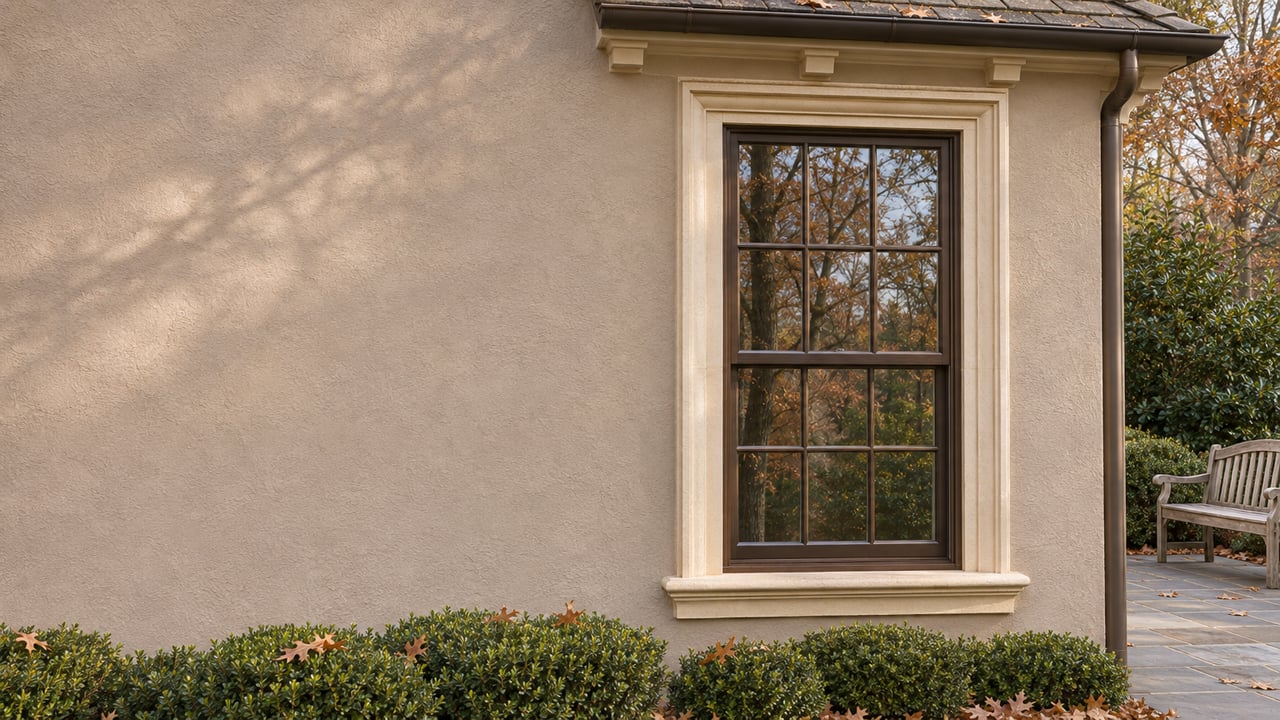
Two homes can look the same from the street and be built very differently underneath. Charlotte Stucco Protection, a local inspection firm, explains the difference between the two main systems. Barrier EIFS, often called synthetic stucco, is finish coats applied over EPS foam that is attached to the sheathing. Traditional hard-coat stucco goes over wire lath with a cavity behind it where water can drain. From the curb, both read as a smooth, pale wall.
North Carolina has already learned what happens when water gets behind a wall it can't drain out of. A 2004 HUD review of building moisture and durability records that severe moisture damage was identified in 1995 in wood-frame homes with barrier EIFS in Wilmington. A monitoring program then examined 100 homes that were only three to five years old. HUD tied the damage mostly to leaking windows, poor flashing and inadequate sealant where the cladding meets windows, doors and roof details. In a New Hanover County sample from 1998, the substrate needed replacement at 18% of window locations, 23% of kick-outs, 15% of chimneys and 19% of decks. Those were homes a few years old. The homes in Ballantyne Country Club have had decades.
Not every stucco home here is EIFS, and not every EIFS home has a problem. One Charlotte stucco contractor, Stucco Charlotte, says some 1990s and 2000s homes in Ballantyne, Piper Glen and Providence Plantation were built with EIFS. That is one company's account, not a survey. Treat it as a reason to find out which system a particular house has.
A $400 test and a five-figure range
Measured against the price of a home in Ballantyne Country Club, the inspection costs very little. Charlotte Stucco Protection's posted pricing starts at about $300 for a visual inspection, $400 for an EIFS probe inspection and $500 for a hard-coat probe inspection. The firm notes that the final price depends on the size of the house and how easy it is to reach the walls. On a 6,000-square-foot house with a second-story deck and several rooflines, plan on paying more than the starting price.
The firm describes how a probe inspection works. The inspector drives pins through the cladding at high-risk spots, such as below windows, at roof flashings and around decks, then records the moisture reading and how firm the substrate feels before sealing the small holes. Readings of 19% or higher are flagged as above normal. The firm also cautions that a low reading does not rule out damage to the framing. For hard-coat stucco, its usual starting point is a visual inspection, with probe testing added when the findings call for it.
Repair estimates run far higher. Stucco Charlotte's undated price page lists $300 to $800 per area for isolated crack repair. It lists $20,000 to $60,000 for complete remediation of a 2,500-square-foot home and $15 to $20 per square foot to replace EIFS with traditional three-coat stucco. Those figures are one contractor's estimates for a house less than half the size of a typical Ballantyne Country Club home. They are not quotes for any particular property. They still show the gap: a probe inspection costs a few hundred dollars, and the problem it can find costs tens of thousands.
That gap is where the real negotiation in this community happens. Two homes with similar square footage, similar finishes and similar club access are not worth the same if one has dry readings and documented maintenance and the other has wet sheathing under a bay window. Moisture readings taken at the windows and decks are how a buyer tells those two houses apart before closing. These figures are general information, not legal or financial advice, and each buyer should confirm their own situation with the right inspector and professionals.
Why this season leaves room to test
A probe inspection needs time. Someone has to schedule it, read the results and, if the readings are high, bring in a contractor to scope the repair. The broader market gives buyers more of that time right now. Canopy Realtor Association reported that in September 2026, City of Charlotte homes spent 49 days on market, with 3.8 months of supply and a $420,000 median price. Across Mecklenburg County that month, Canopy's data showed 4,622 homes in inventory, 3.7 months of supply and 51 days on market. For the full Charlotte region in October 2026, Canopy's monthly snapshot put days on market at 57 and supply at 4.0 months.
These are city, county and regional figures, and Ballantyne Country Club homes sell for several times those medians. They still describe the pace of the market a Ballantyne Country Club buyer is shopping in. Seven or eight weeks of average market time leaves more room on the calendar for an inspection period that includes a probe test and, if needed, a contractor's scope of repair.
The newest things are down the road
The area around the community keeps getting newer. GoBallantyne reports that Wegmans opened its first Charlotte-area store on October 14, 2026, at 11550 North Community House Road near The Bowl. Culinary Dropout opened at The Bowl on November 4, 2026, in a two-story space of about 10,000 square feet. According to GoBallantyne's Ballantyne Reimagined page, six new roads and several intersection upgrades are complete, and NCDOT is building a direct connector from the I-485 Express Lanes to Johnston Road. Our earlier pieces on how planning shapes Ballantyne home values and on Ballantyne's new nightlife cover that growth in more detail.
None of that new construction reaches the flashing above a 1999 bay window, which is still the buyer's to check.
Frequently asked questions
Do I have to join Ballantyne Country Club if I buy a home there? No. Membership is optional and separate from owning a home and from the HOA. The club has Full Privilege, Racquet Sports and Social categories, and its current fees come from the club's membership packet.
How many homes are in Ballantyne Country Club? The Ballantyne Residential Property Owners Association lists 825 homes, along with four parks and two miles of walking trails.
Does every stucco home there need a probe inspection? It depends on the system and what a visual inspection finds. Charlotte Stucco Protection typically starts hard-coat homes with a visual inspection and adds probe testing when warranted. For EIFS, its standard inspection is a probe inspection.
Where else can I compare south Charlotte options? Our Ballantyne, Weddington and Waxhaw guide and current Ballantyne homes for sale are good places to start. Our post on the home inspection process in Charlotte covers the steps before a stucco specialist comes in.
If a home in Ballantyne Country Club is on your list, The Laws Collective can help you schedule the right inspection, understand the readings and set your offer based on what the walls show. Start the conversation.